Good street food safety comes down to a few habits: choose food that is fully cooked and served hot, avoid raw items and doubtful ice, keep your hands clean, and buy from busy stalls with fast turnover. Follow those and you can enjoy cheap meals on the street with far less risk. The CDC’s travel guidance is blunt that food and drinks from street vendors raise the risk of illness, which is exactly why a short checklist is worth running before every order.
Key takeaways
- Hot, freshly cooked food is the safest thing a stall can hand you.
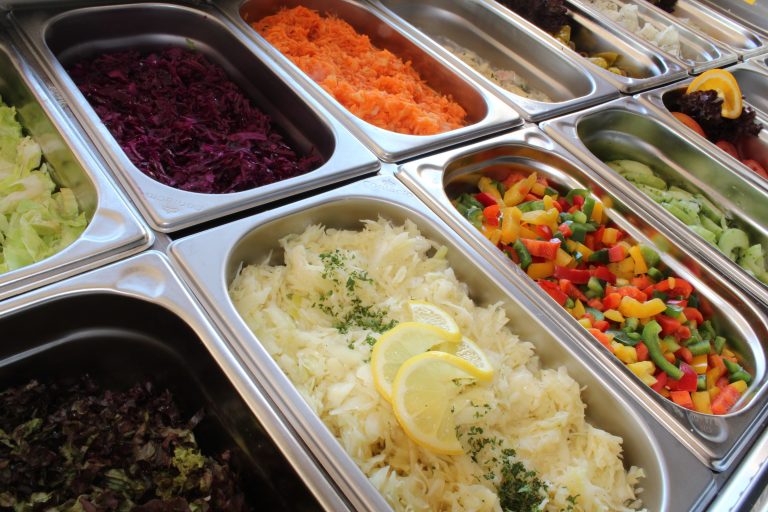
- Skip salads, raw produce you did not peel yourself and anything sitting at room temperature.
- Treat ice and fountain drinks with suspicion where tap water is unsafe.
- Carry hand sanitizer with at least 60 percent alcohol, but wash with soap when you can.
Why street food safety deserves a checklist
Foodborne illness is common worldwide. The World Health Organization estimates that in 2021 866 million people, almost 1 in 9 people in the world, fell ill after eating contaminated food, and 1.52 million died. Most travelers who get sick have a miserable few days rather than anything serious, but a lost day costs money too: missed tours, changed bookings, pharmacy runs.
A checklist works because the decisions are quick and repetitive. You are hungry, the smell is great and the queue is moving. Having a few fixed checks means you do not have to think hard each time.
Before you choose a stall
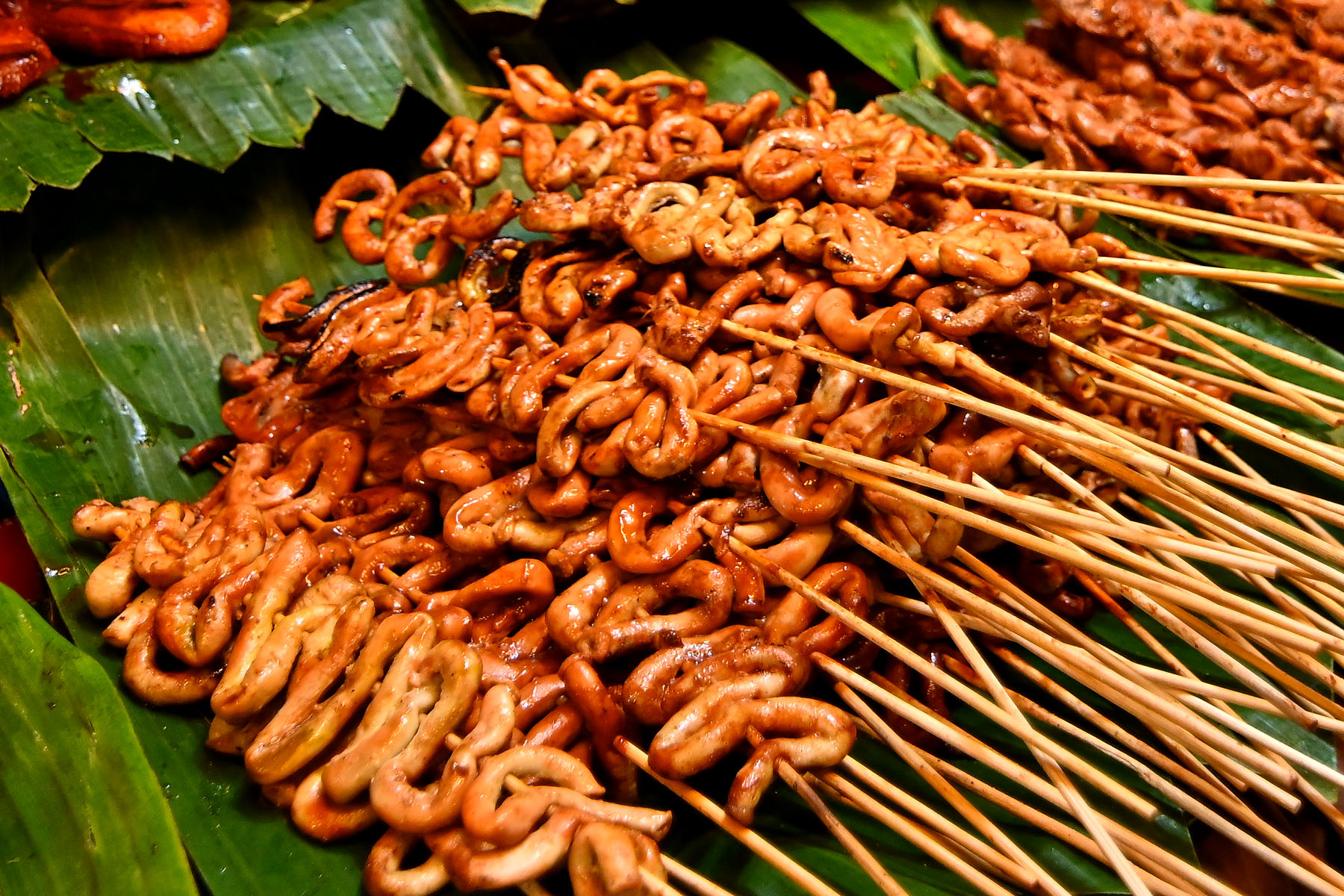
- Look for turnover. A queue of locals usually means food is cooked and sold quickly rather than sitting around.
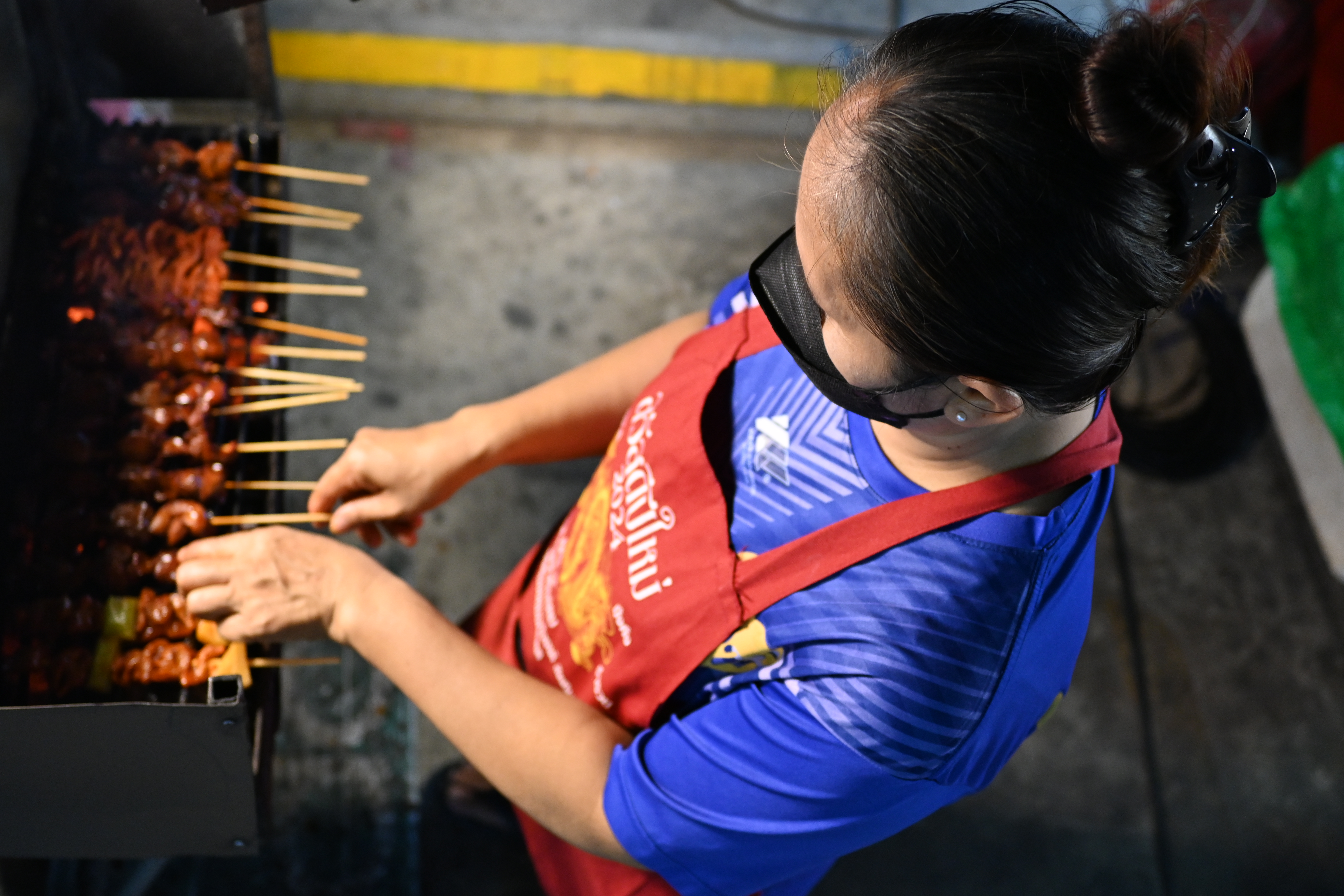
- Watch the cooking. You want to see your food go onto the heat and come off it hot.
- Check how cooked food is held. Trays of ready food left out in warm air are a warning sign.
- Notice the water. Is there clean water for rinsing utensils, or one bucket doing everything?
- Separate raw and cooked. Raw meat on the same board or tray as finished food is a reason to move on.
What to order
The CDC Yellow Book chapter on food and water precautions for travelers says that fully cooked foods served hot, and food travelers carefully prepare themselves, are safest. In places where hygiene is inadequate or unknown, it lists foods to avoid and foods that are usually safe.
| Usually safer | Riskier where hygiene is unknown |
|---|---|
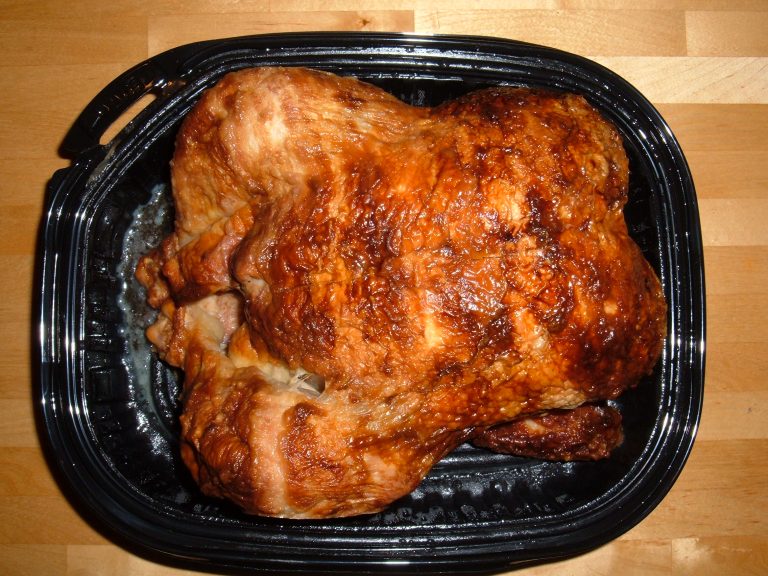
| Fully cooked meat and eggs, served hot | Raw or undercooked meat, fish, shellfish and eggs |
| Fruit you peel yourself after rinsing with safe water | Salads and uncooked vegetables |
| Pasteurized milk and milk products | Unpasteurized milk, cheese and fruit juices |
| Tea or coffee made with just-boiled water | Drinks made with tap water |
| Factory-sealed bottled and canned drinks | Fountain drinks and ice of unknown origin |
Use the checklist:
- Order items cooked to order rather than pre-made.
- Ask for no raw garnish if it has been washed in tap water.
- Skip dishes that seem lukewarm.
- Choose whole fruit you peel over pre-cut fruit.
Drinks and ice
Drinks trip up more travelers than food. The CDC advises avoiding ice unless you are reasonably sure it was made with safe water, and points out that alcohol in a drink does not kill pathogens in contaminated ice. Factory-sealed bottled water and sealed cans or bottles are generally safe, though the CDC suggests wiping the outside before drinking since it may be contaminated.
- Ask for drinks without ice where tap water is not safe.
- Check that bottled water seals are intact.
- Wipe can tops and bottle necks before drinking.
- Choose hot tea or coffee made with boiling water when in doubt.
Back home, the rules are different: in many places tap water is regulated and safe, and our article on asking for free tap water when you eat out covers when and how to request it.
Hands and habits
- Wash with soap and water before eating whenever you can.
- Carry hand sanitizer with at least 60 percent alcohol for when you cannot. The CDC notes it is not as effective as handwashing against some germs and works poorly on greasy or visibly dirty hands.
- Use your own utensils or wipes if shared ones look doubtful.
- Eat soon after buying; do not carry cooked food around for hours.
A small kit of sanitizer, wipes and a reusable spoon fits in a day bag and costs far less than a missed day of travel. That kind of planning keeps a trip on its overall eating out budget too.
Frequently asked questions
Is street food safer than restaurant food?
Not automatically, and not automatically worse. Safety depends on how food is cooked, held and served. A busy stall cooking to order can be a better bet than a quiet restaurant reheating dishes that have sat out.
Should I avoid street food entirely if I have a sensitive stomach?
That is a personal call, and anyone with a health condition should take advice from a doctor or travel clinic before a trip. If you do eat street food, sticking strictly to hot, freshly cooked items and sealed drinks reduces risk.
Does hot sauce or lime kill germs?
There is no reason to rely on that. Condiments, sauces and garnishes can themselves be a source of contamination, so treat them with the same caution as other uncooked items.
Eat well, stay well
Street food is one of the best ways to eat cheaply and well when you travel. Keep the checklist on your phone, run it before every order and walk away from any stall that fails a check. For more budget-friendly ideas, explore our cheap eats guides.