Happy hour food deals let you eat a full, satisfying meal for less by ordering from a discounted bar or early-evening menu and treating it as dinner rather than a warm-up. The method is simple: find places whose deals include real food, arrive inside the window, order a balanced spread to share, and keep drinks to what you planned. Done that way, happy hour can beat almost any other time of day on value.
Key takeaways
- Look for deals on food, not just drinks; the savings come from the plates.
- Arrive early, order everything you want before the window closes, and share.
- Build a balanced spread: something filling, something fresh, something with protein.
- Decide your drinks in advance; extra rounds are where the saving disappears.
Step 1: Find happy hour food deals worth your time
Not every happy hour is built for eating. Some discount only drinks, with a single snack on offer. The ones worth your time have a dedicated bar menu or small-plates list at reduced prices during a set window, often in the late afternoon or early evening.
- Check the menu online or call ahead. Look for a food list rather than a vague “bar bites” line.
- Note the times and the days. Many deals run only on weekdays, and some apply only at the bar or in the lounge area.
- Look at portion sizes. A cheaper plate that is half the size of the regular version is not a deal. Our explainer on what restaurant portion sizes mean for value shows how to judge this from the menu.
Step 2: Time your visit
Arrive at the start of the window, not ten minutes before it ends. Kitchens get busy, and a deal that ends at a fixed time usually applies to when you order, not when food arrives. Ask your server how it works when you sit down.
Weekday visits are usually the safest bet. Early-evening windows tend to fall before the main dinner rush, so the kitchen is calmer, plates come out faster and you are less likely to be squeezed for space at the bar. If you are meeting friends, agree on the start time rather than “sometime after work” so nobody arrives as the deal ends.
A good habit is to place most of your food order at once. It saves you racing the clock later and stops the “one more plate” creep that happens when you order piecemeal.
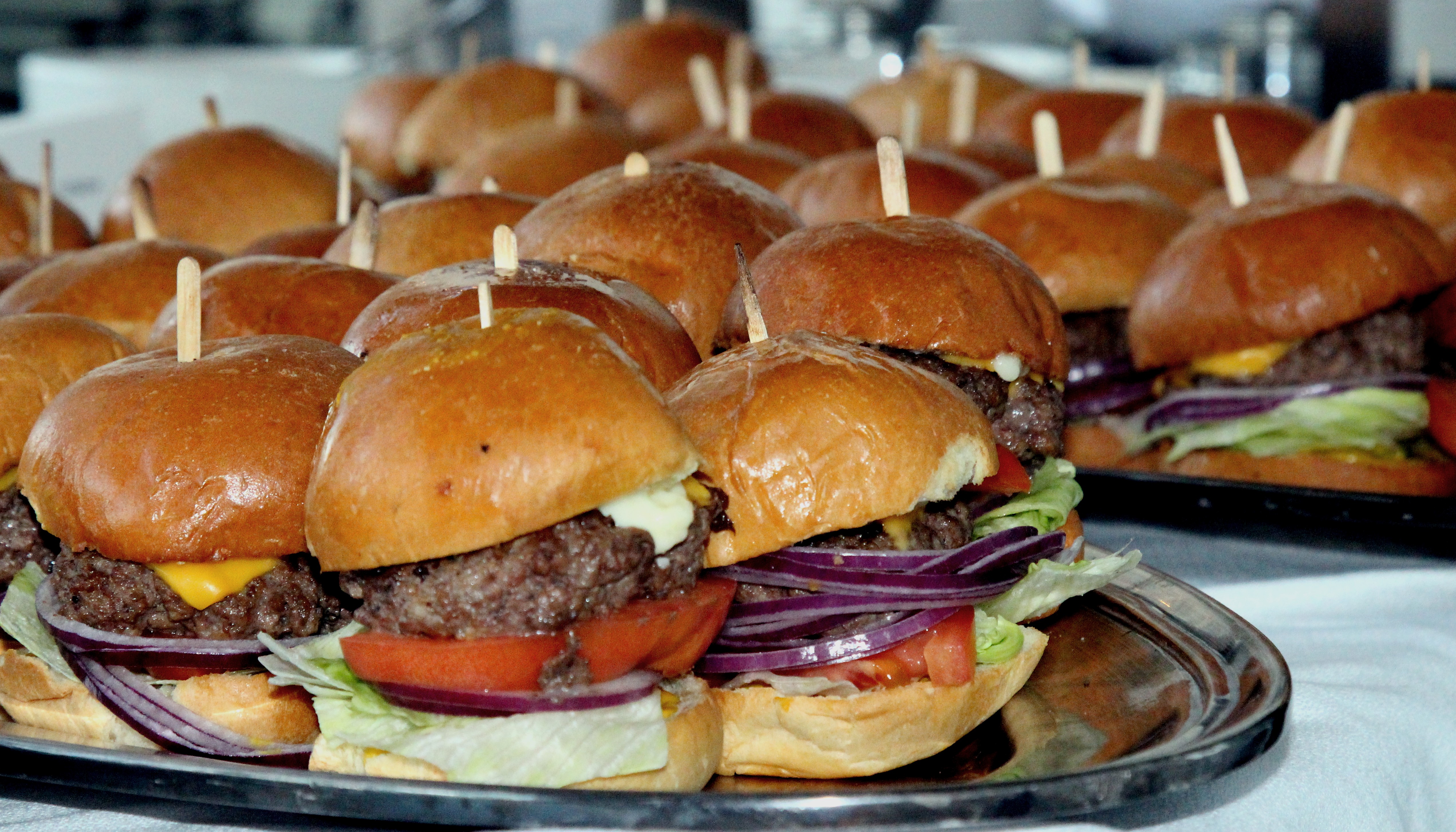
Step 3: Order a balanced spread
The classic mistake is a table full of fried snacks that leaves you hungry an hour later. Aim to cover three bases, then share.
| Plate type | Examples on typical bar menus | Why include it |
|---|---|---|
| Filling base | Flatbreads, sliders, fries, rice dishes | Makes it a meal rather than a snack |
| Protein | Wings, skewers, tacos, meatballs | Keeps you full longer |
| Fresh | Side salads, slaw, vegetable plates | Balances heavier dishes |
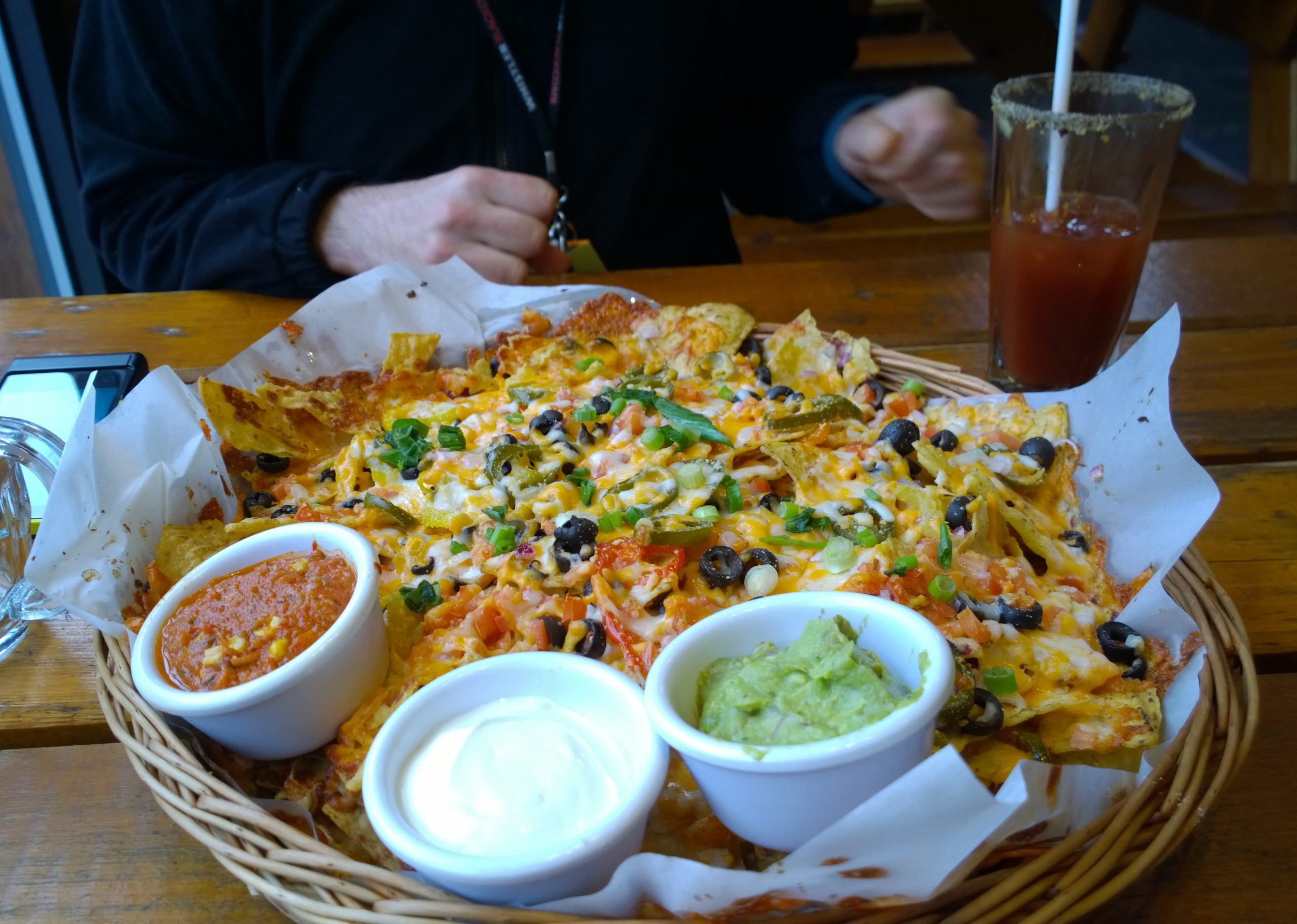
| Something to share | Nachos, dips with bread | Good value across a group |
For two people, three or four plates is often plenty. For a group, count one plate per person plus one or two for the table, then add more only if everyone is still hungry.
Step 4: Keep drinks in proportion
Happy hour drinks are cheaper, which makes it easy to order more than you would otherwise. That is where the budget and your evening tend to go wrong. The CDC defines moderate drinking as two drinks or less in a day for men and one drink or less for women, and notes that drinking less is better for health than drinking more.
It also helps to know what counts as one drink. The NIAAA explains that a US standard drink contains about 14 grams of pure alcohol, roughly 12 fluid ounces of regular beer at 5 percent, 5 ounces of wine at 12 percent or 1.5 ounces of 40 percent spirits. A strong beer or a large pour can be two standard drinks in one glass.
Practical moves:
- Decide how many drinks you will have before you arrive.
- Order tap water for the table alongside everything else.
- Alcohol-free options are often on the happy hour list too; ask.
Step 5: Avoid the traps that cancel the saving
The discounted menu is designed to get you through the door, and that is fine as long as you stick to it. Watch for full-price add-ons, such as premium sides or sauces that are not part of the deal, and for the moment the window closes and regular prices kick in. Settle the bill or stop ordering at that point. If you are working to an eating out budget for the month, count the whole check, drinks included, against it.
Frequently asked questions
Can I order happy hour food without drinking alcohol?
Usually, yes. Most places treat the food deals as open to anyone in the eligible area, but a few tie them to a drink purchase. If that matters to you, ask before you order.
Are happy hour food deals available at tables or only at the bar?
It varies. Some restaurants limit deals to the bar or lounge, while others offer them throughout. Check when you arrive so you can choose your seat accordingly.
Is happy hour food smaller than the regular menu?
Sometimes. Bar menus often use smaller versions of main-menu dishes, or snack-style plates. Compare the description and, if possible, ask your server how big the plates are.
Make the next one count
Pick one place with a proper food list, go at the start of the window, order a balanced spread and set your drink limit in advance. That turns happy hour food deals into a reliable cheap dinner. Explore more ways to save in our deals and discounts guides.