Restaurant portion sizes decide how much food you actually get for each order, and that makes them one of the biggest hidden factors in whether a meal is good value. A generous plate is only a bargain if you eat it, share it or take the rest home. If half of it goes in the bin, you paid for food you never used. The trick is to see a portion as a quantity you can plan around rather than a fixed meal for one person.
Key takeaways
- A portion is what lands on your plate; it is not a recommendation of how much to eat.
- Large plates are good value only when the extra food gets eaten, shared or saved.
- Sharing, ordering starters as a main, and boxing half at the start are the simplest ways to stretch an order.
- Calorie labels at larger chains give you a quick read on how big a dish really is.
Portion vs serving: two words that mean different things
People use “portion” and “serving” as if they were the same thing, but health agencies separate them. The National Institute of Diabetes and Digestive and Kidney Diseases describes a portion as how much food you choose to eat at one time, whether that is in a restaurant, from a package or at home. A serving is the amount listed on a product’s Nutrition Facts label.
That distinction matters for value. A restaurant does not owe you a “serving” in any official sense. It gives you a portion, sized by the kitchen for its own reasons: the look of the plate, consistency between cooks, what competitors offer, and what customers expect. The same agency also points out that the serving size on a label is not advice about how much you should eat, which is a useful reminder that neither number is a target.
Why restaurant portion sizes vary so much
Two dishes listed side by side on one menu can differ wildly in volume. A few patterns help you read them before you order.
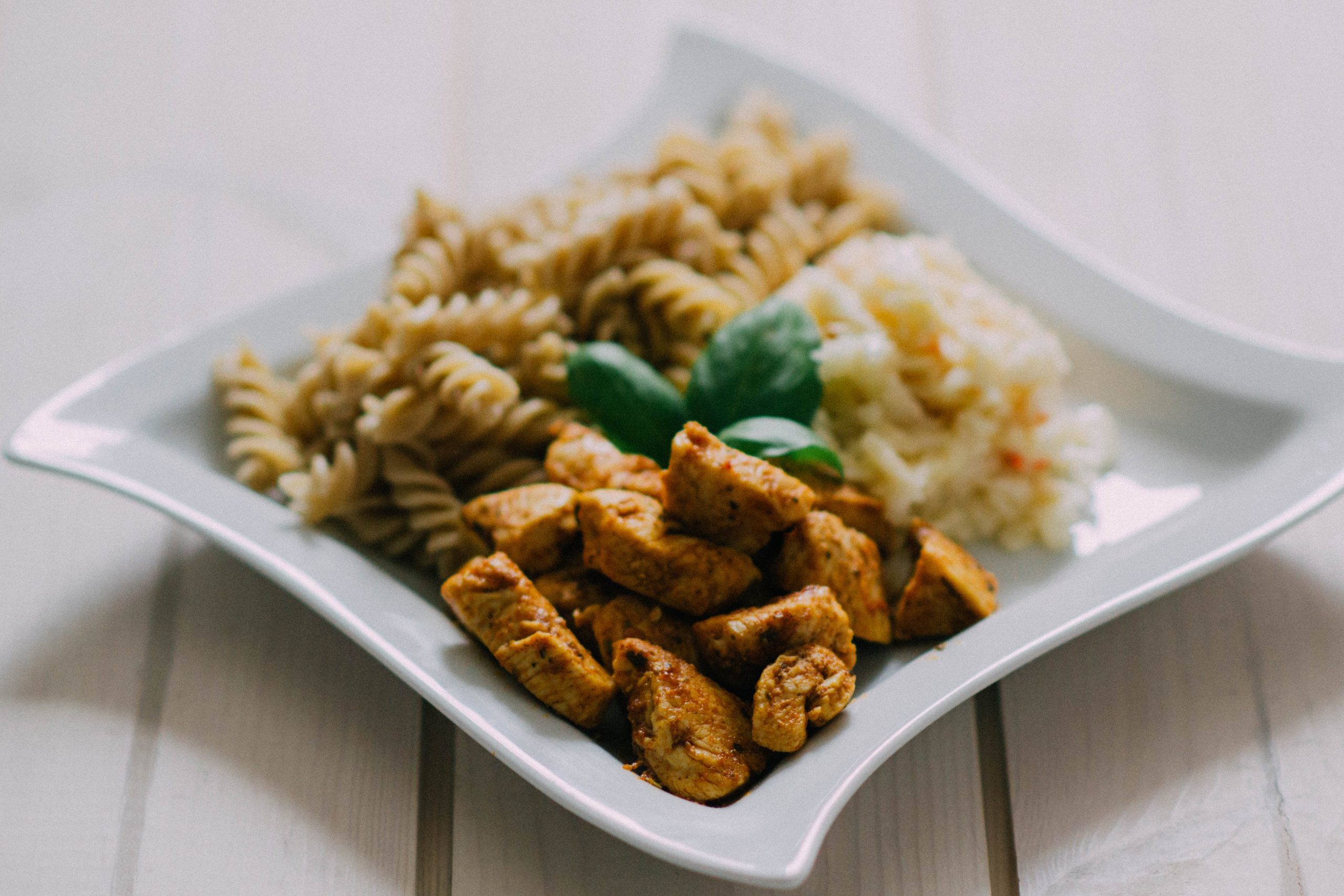
- Starch-heavy dishes such as pasta, rice bowls and noodle plates tend to come in large volumes, because the base ingredients are filling and plate up generously.
- Protein-led mains like steak or fish are often sized by weight, and the sides fill the rest of the plate.
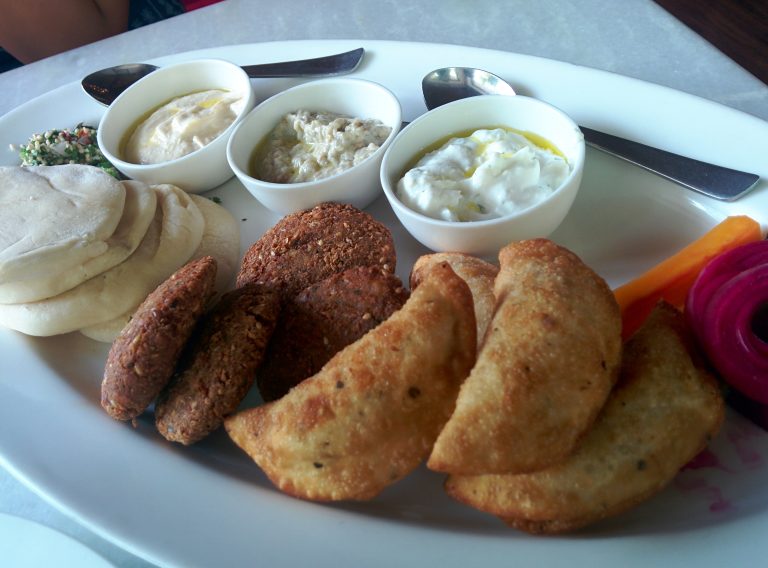
- Small-plates menus are designed for sharing, so a single dish may look modest on its own but work well as part of a spread.
- Set lunches and combos bundle a main with a side or drink, which can change the size of each item.
None of these is good or bad value by default. What matters is how the portion fits the way you plan to eat.
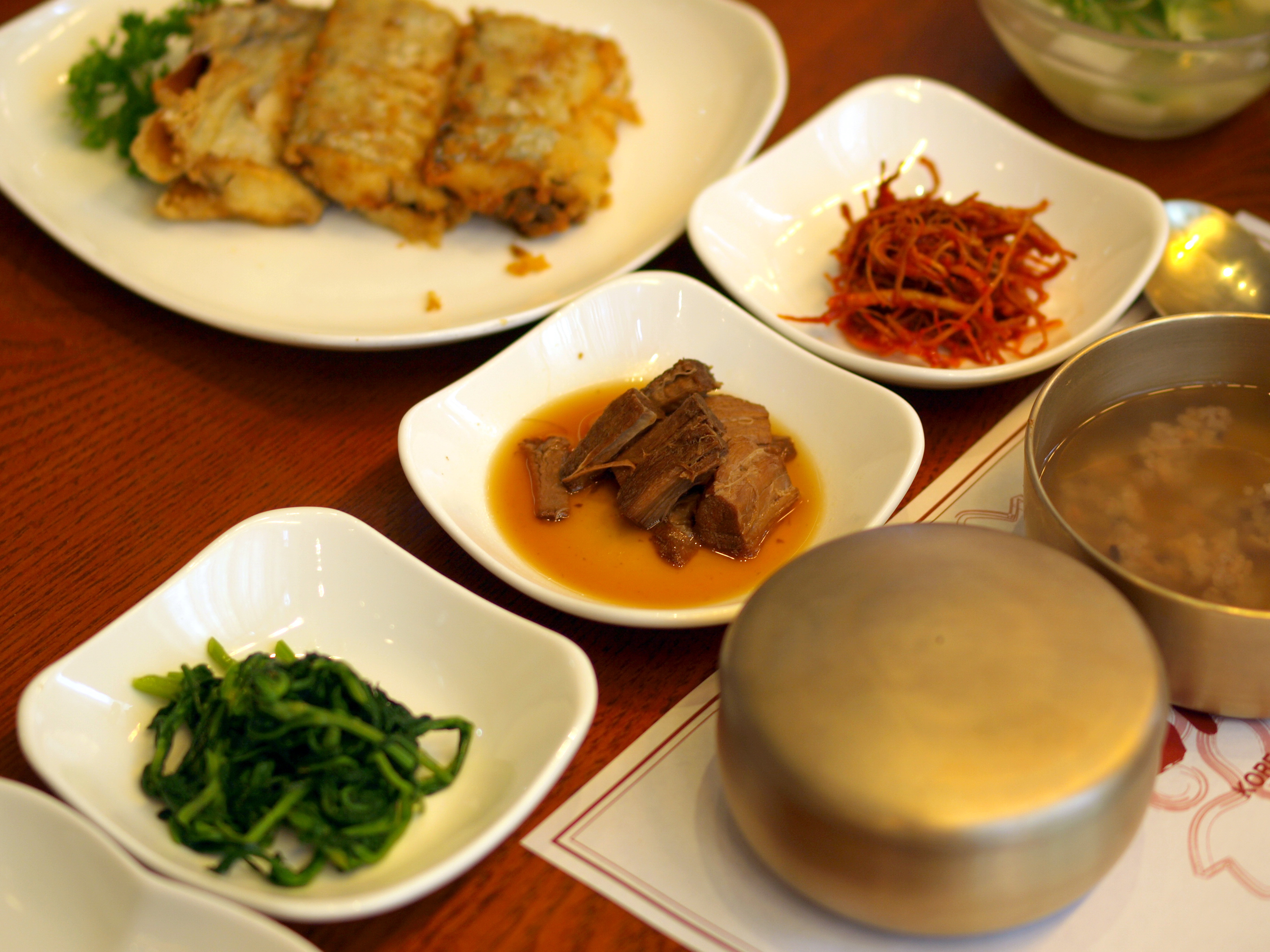
How to judge value from a menu
You rarely see a dish before you order, so use the clues you have. In the United States, restaurants that are part of a chain with 20 or more locations must post calorie information on menus and menu boards, and must have fuller written nutrition information available for standard items. Calories are not a measure of price, but they are a fair proxy for size. A main with roughly double the calories of its neighbor is usually a much bigger plate.
At independent places without labels, ask. Servers know which dishes come out huge and which are small. A simple “Is this one big enough to share?” gets you a straight answer more often than not.
| Menu clue | What it usually tells you | How to use it |
|---|---|---|
| High calorie count next to a main | A large or rich portion | Plan to share or box half |
| “For the table” or “to share” | Sized for two or more | Order fewer dishes overall |
| Small plates or tapas section | Modest single portions | Mix two or three for one person |
| Lunch version of a dinner main | Often a smaller cut or fewer sides | Compare what is included, not just the name |
| Side dishes listed separately | Main arrives without extras | Count the sides you really need |
Turning big portions into better value
A large portion only becomes a deal when you use all of it. The NIDDK’s own eating-out tips line up neatly with saving money: share a meal with a friend or take half your meal home, order one or two appetizers or sides instead of a whole meal, and ask for the bread or chips basket to be removed if you know you will fill up on it.
Here is how that looks in practice:
- Ask for a box when the food arrives. Move half to it straight away. You eat a comfortable amount and leave with tomorrow’s lunch.
- Split a main and add a side. Two people sharing one generous dish plus an extra vegetable side often eat well for less than two full mains.
- Order family style. When the group shares several dishes, you avoid everyone over-ordering individually.
- Pick the smaller size of drinks and salads where a choice exists, then decide whether you are still hungry.
Check the restaurant’s sharing policy first. Some places add a charge for split plates, which can erase the saving.
When a smaller portion is the better deal
Bigger is not always better value. If you cannot take food home, say you are heading to a show or traveling, a large plate you only half finish is money wasted. The same goes for dishes that do not reheat well, such as fried food, delicate fish or anything with crisp textures. In those cases, a smaller dish or a starter-sized option is the smarter spend, even if the price per mouthful looks worse on paper.
Think about value as cost divided by food you actually enjoy, not cost divided by food on the plate.
Frequently asked questions
Are restaurant portions bigger than what I would serve at home?
Often, yes. The NIDDK notes that it can be easier to manage portions when you cook and eat at home, partly because you choose the quantity yourself. Restaurant plates are sized by the kitchen, and they are not a guide to how much you need.
Is it rude to ask for half my meal to be boxed straight away?
No. Asking for a takeout container is an ordinary request in most casual and mid-range restaurants. Doing it early simply stops you eating past the point of being full.
Do calorie labels apply to every restaurant?
No. In the US the federal requirement covers restaurants and similar food businesses that are part of a chain with 20 or more locations operating under the same name with substantially the same menu. Independent restaurants may not show calories at all, so asking staff is your best option there.
Make your next order work harder
Before you order, decide what you will do with any extra food: share it, box it or skip the dish in favor of something smaller. That single decision turns restaurant portion sizes from a guessing game into a plan. Browse more ideas in our value dining guides and try one change, such as boxing half at the start, on your next meal out.