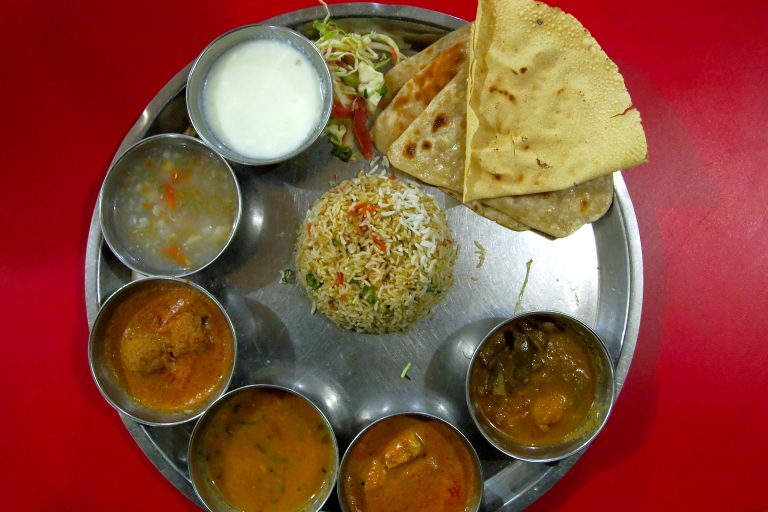
A restaurant week is a promotion in which participating restaurants in a city or region offer fixed-price set menus for a limited period, usually for lunch, dinner or both. For budget diners, it is one of the easiest ways to try restaurants you might not otherwise afford, because the set price is known before you book. The value is real but not automatic: menus are often shorter than usual, drinks and extras are normally separate, and the best tables go quickly. Understanding how the format works helps you pick the right menu and keep the bill close to the advertised price.
Key takeaways
- Participating restaurants offer prix fixe menus at set price levels for a limited time.
- Many restaurant weeks run once or twice a year, for a limited set of dates.
- Menus can be shorter or simpler than the regular menu, so compare before booking.
- Drinks, tax, tips and add-ons usually sit outside the set price.
Where restaurant week came from
The format began in New York. According to the Wikipedia overview of restaurant week, the first one started in 1992 as a lunch-only promotional event, and the idea has since spread to cities, states and countries elsewhere. In each case, participating restaurants offer fixed-price meals for a limited period.
Some are organized by tourism bodies; the same overview says the Los Angeles version is run by the city’s tourism and convention board with a sponsor. Lengths vary too: despite the name, some events run for twelve days or more.
How a restaurant week works
The details differ by city, but most follow the same pattern. New York’s official tourism organization describes its version on the NYC Restaurant Week page as a twice-yearly program in which participating restaurants citywide offer prix fixe menus at a special price for lunch and/or dinner. It runs in summer and winter, and restaurants choose which meal periods to offer from a small set of price tiers.
In practice, that looks like this:
| Element | What to expect |
|---|---|
| Menu | A prix fixe of set courses, often a starter, main and dessert, with a few choices per course |
| Price | Fixed per person, usually from a small number of set tiers |
| Meal periods | Lunch, dinner or both, chosen by each restaurant |
| Timing | Limited dates, often in quieter seasons for restaurants |
| Booking | Reservations open for a set period; popular places fill early |
| Extras | Drinks, tax, tip and upgrades typically extra |
The timing often suits restaurants as well as diners. Filling tables in slower periods is the same logic behind early-bird specials and weekday set lunches.

The catches to watch for
Restaurant week deals are good, but read the fine print.
- Shorter menus. The Wikipedia overview notes that participating restaurants have sometimes offered limited menus or simpler dishes than usual. Look at the restaurant week menu alongside the regular one.
- Price tier vs regular price. A restaurant whose dishes are already modest may offer little saving. The best value is usually at places where a normal three-course meal would cost noticeably more than the set price.
- Extras outside the bundle. Wine pairings, supplements for premium dishes, sides and coffee can add up fast. So can any restaurant service charge added to the bill.
- Lunch vs dinner. Where a restaurant offers both, the lunch menu is often the better buy, for the same reasons we covered in lunch specials vs dinner.
How to get the most from restaurant week
- Shortlist early. Watch for the participating restaurant list, which is typically published when reservations open, and pick places you would not usually visit.
- Compare menus with the regular menu. If the set menu is mostly the restaurant’s cheaper dishes, the saving shrinks.
- Book quickly for popular spots, and set a reminder for when bookings open.
- Decide on drinks before you arrive. Tap water and one drink keep the bill close to the set price.
- Check for supplements. Ask which courses carry an extra charge before ordering.
- Treat it as a trial. If you love the place, you now know what to order on a full-price visit.
Is restaurant week good value on a tight budget?
It depends on what you would otherwise spend. If your usual meal out is a casual place, a restaurant week dinner may still cost more than your normal night. In that case, think of it as a planned treat and fund it from your eating-out budget, perhaps by skipping one or two casual meals that month.
If you were already planning a special meal, restaurant week is often the cheapest way to have it at a higher-end place. The fixed price makes the bill predictable, which is a big part of keeping a budget on track. A few rules keep it that way:
- Pick one restaurant week meal per event rather than several.
- Choose lunch where it is offered and the menu is the same or similar.
- Go with a small group, so you are not tempted into extra sharing plates.
- Set a drinks limit before you sit down.
Used this way, restaurant week is less a discount and more a way to try somewhere new with no surprises on the bill.
Frequently asked questions
Do I need a reservation for restaurant week?
Usually it is wise to book. Popular restaurants fill quickly once reservations open, and some only offer the set menu at certain times. Walk-ins may be possible at less busy places or at lunch.
Is the restaurant week menu the same as the normal menu?
Not always. Many restaurants offer a shorter prix fixe with a few choices per course, and some have used simpler dishes than usual. Compare the two menus if you want the signature dishes.
Does the set price include tip and tax?
Generally not. The advertised price covers the set menu itself. Drinks, tax, tip and any supplements are normally added on top, so budget for them before you book.
Plan your next restaurant week
Check when the next event runs in your area, shortlist two or three restaurants you would not usually try, and compare their set menus with the regular ones before booking. For more ways to time your meals for better value, see our deals and discounts guides.