If you want a restaurant meal for less, lunch specials are usually the smartest place to start. Many restaurants run a fixed midday menu, often a main with a starter, side or drink bundled in, priced below what the same food would cost ordered separately at dinner. You eat in the same dining room from the same kitchen, just at a time when the restaurant needs customers more. Dinner still has its place, but if the goal is value, the midday menu tends to win. Here is how the two compare and how to tell a real deal from a dressed-up one.
Key takeaways
- Set lunches bundle courses at one price, and the items usually cost more when ordered one by one.
- Restaurants use lunch deals to fill seats at quieter times, which is why they can afford them.
- Compare what is included, not just the dish names, because lunch portions and sides can differ.
- Dinner can still be the better buy for celebrations, shared plates or dishes only served in the evening.
What lunch specials actually are
The idea is old and international. In restaurant terms, a set menu with a few choices charged at one fixed total price is called a table d’hôte or prix fixe menu, in contrast to à la carte ordering, where every item is priced separately. Plenty of countries have a midday version of it.
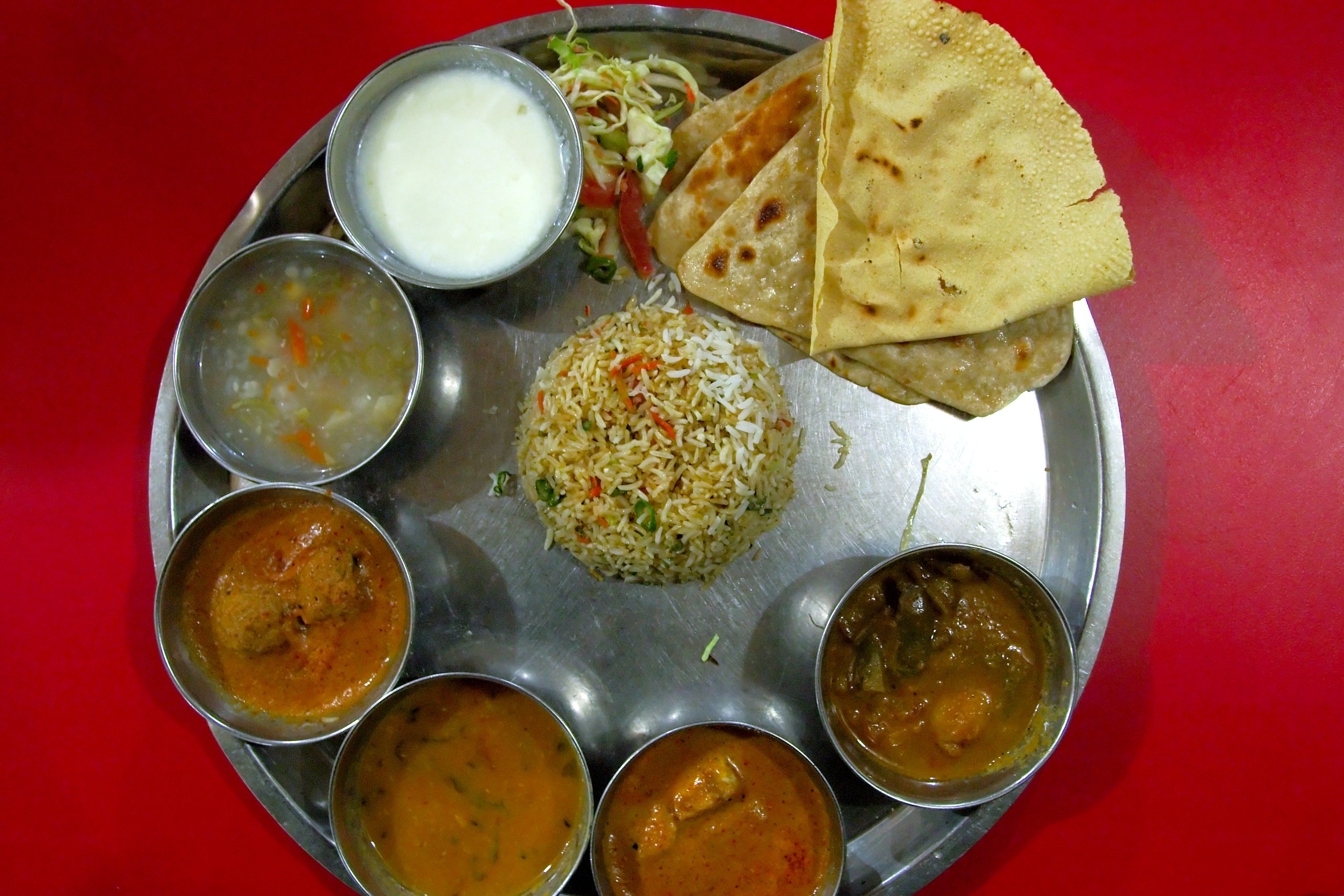
In the United Kingdom, set menus are often used in pubs and casual restaurants as a low-price option to bring in customers at quieter times, such as weekday lunchtimes. In Sweden, many restaurants serve a daily dish at lunch on weekdays at a lower price than the same dish would cost at other times. Italy has weekday fixed-price lunch menus, and Japan has teishoku, a set meal that often comes with sides like pickles and miso soup.
Spain’s version is perhaps the best known. The menú del día is a set menu served at weekday lunch, traditionally three courses: a first course, a meat or fish main and a dessert. The dishes also appear on the regular menu, but ordered individually they add up to more than the set price.
North America had its own tradition. The blue-plate special was a discount-priced meal that changed daily, common in diners from the 1920s through the 1950s. The name is rarer now, but the daily lunch special carries the same logic.
Lunch specials vs dinner: side by side
| Factor | Typical lunch special | Typical dinner |
|---|---|---|
| Pricing structure | Fixed price for a bundle | Each item priced separately |
| Courses included | Often a main plus a starter, side, drink or dessert | Whatever you add, one by one |
| Choice | A short list, sometimes changing daily | The full menu |
| Portion size | Can be smaller or simpler; ask | Full evening portions |
| Pace | Built for a quick turnaround | Relaxed, longer meal |
| Drinks | Sometimes included, often non-alcoholic | Usually extra |
| Best for | Everyday value and trying a pricier restaurant | Occasions, groups and the full menu |
The table shows why lunch tends to win on value: the bundle does the discounting for you. At dinner, every extra side and drink is a separate decision, and each one nudges the total up.
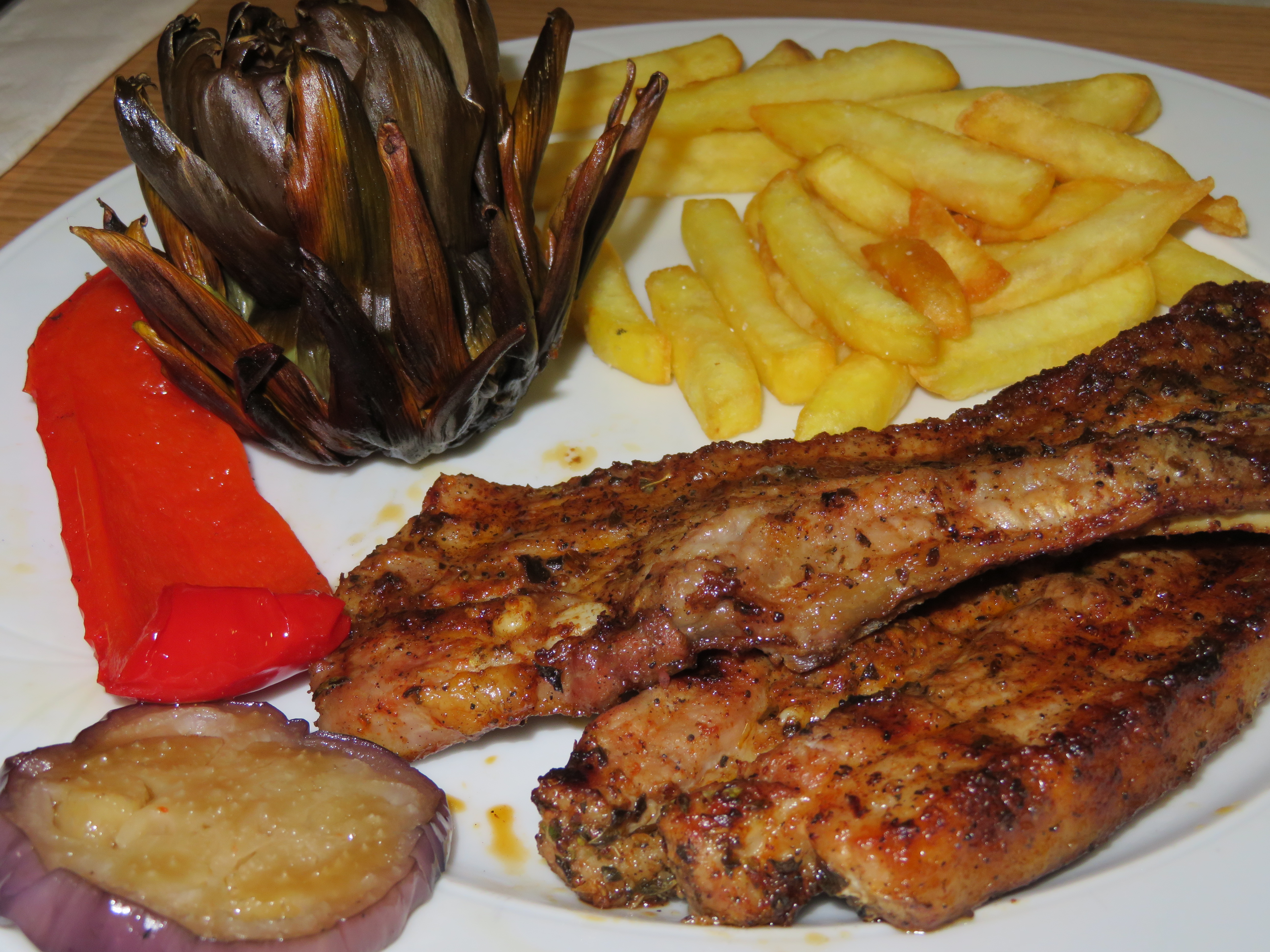
Why restaurants can afford lunch deals
A restaurant pays rent, staff and equipment costs whether the room is full or empty. Quiet periods are expensive, so a lower-margin meal that fills tables is better than no meal at all. That is the same logic behind early-bird specials and midweek offers.
Set menus also help the kitchen. A short list of dishes, often built around seasonal or available ingredients, means less waste and faster service. Those savings make a lower price possible without the restaurant losing money on every plate.
How to judge whether a lunch special is a real deal
Not every “special” is special. Run through these checks:
- Price the parts. Look at the regular menu. If the included items, ordered separately, would cost noticeably more, the bundle is doing real work.
- Check the portion. Some places serve a smaller cut or fewer sides at lunch. That can still be fair value, but compare like with like. Our guide to restaurant portion sizes covers how to read this from a menu.
- Read the small print. Is the drink included? Is dessert an optional add-on? Are there days when the menu is not offered?
- Watch the extras. Upgrades, premium sides and refills can quietly erase the saving.
- Ask about timing. Set lunches often run only during specific hours and only on weekdays.
When dinner is the better choice
Lunch is not automatically the right call. Dinner makes more sense when:
- You are celebrating and the occasion itself is the point.
- A dish you want is only on the evening menu.
- A group is sharing many plates, where family-style ordering can spread the cost.
- The restaurant’s evening offers, such as happy hour food deals, beat its lunch menu.
- You need a long, unhurried meal, which a fast lunch service may not suit.
Frequently asked questions
Are lunch portions always smaller than dinner portions?
No. Some restaurants serve identical dishes at both services, and some reduce portions or sides at lunch. The only reliable way to know is to compare the menu descriptions or ask your server.
Do lunch specials run on weekends?
Often they do not. Many set lunch traditions, including Spain’s menú del día and the Swedish daily lunch dish, are tied to weekdays. Check before you go, because weekend menus may be the full à la carte list.
Is a lunch special a good way to try an expensive restaurant?
It can be. A fixed midday menu is frequently the most affordable way into a restaurant you would rarely visit for dinner, and you still get a sense of the kitchen’s cooking.
Make lunch your value meal
Next time you want a restaurant meal, swap the dinner booking for a weekday lunch and compare the set menu with the regular one before you order. Keep an eye on our deals and discounts guides for more ways to time your meals out for better value.