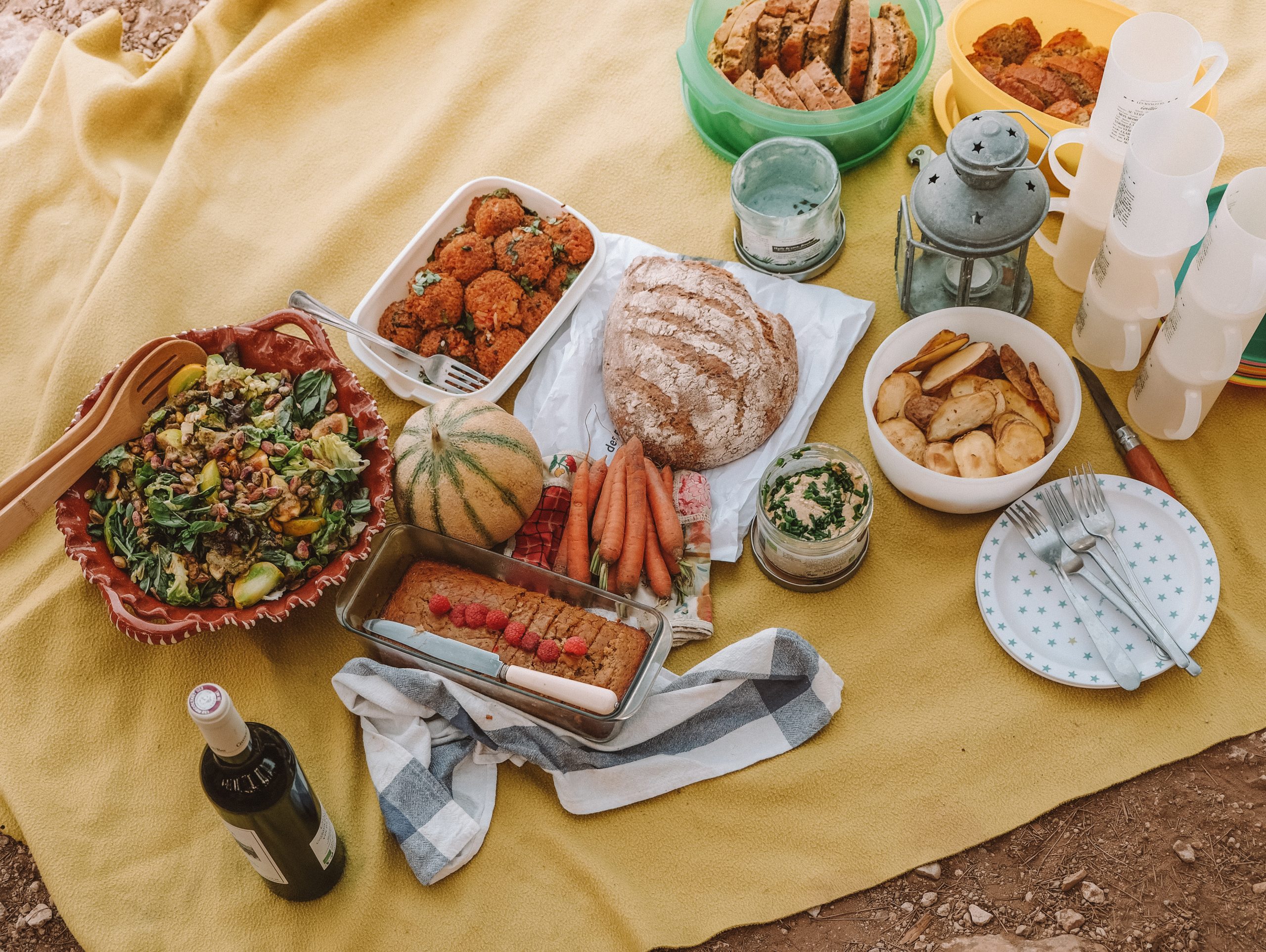
A budget picnic works best when most of the food is homemade or bought from regular grocery shelves, the gear is reusable, and the menu is built around foods that travel well without much chilling. Bread, whole fruit, raw vegetables, hard cheese, dips and a grain or bean salad cover most picnics for far less than a meal out. Spend once on a few items you will reuse, such as a cooler and some containers, then keep perishable food cold and eat it within the safe time window. The guide below helps you decide what to buy, what to make and what to skip.
Key takeaways
- Build the menu around sturdy foods that tolerate a few hours outdoors.
- Make salads, dips and baked goods at home rather than buying them ready-made.
- A cooler, reusable containers and a blanket pay for themselves over a few outings.
- Keep perishable food at 40 °F or below and do not leave it out more than two hours.
- Pack out everything you bring, including leftover food.
What makes a budget picnic cheaper than eating out
A picnic replaces the restaurant’s biggest costs, service, rent and markups on drinks, with your own time and a little planning. The savings depend on what you put in the basket. Ready-made platters and individually packaged snacks can push the cost close to a casual meal out, while homemade food and bulk staples keep it low.
It is the same approach we use in our packed lunch planning checklist: cook a few building blocks, portion them yourself, and rely on foods that hold up well away from the fridge.
Buyer’s guide: the food
Choose foods by how well they travel, how much they cost per serving and whether you can make them at home.
| Food type | Travels well? | Budget approach | Needs a cold source? |
|---|---|---|---|
| Bread, flatbreads, crackers | Yes | Buy whole loaves; slice at home | No |
| Whole fruit and raw vegetables | Yes | Seasonal produce, cut at home | No, unless cut and perishable |
| Grain, pasta or bean salads | Yes | Make a large batch | Yes |
| Dips such as hummus or yogurt-based sauces | Fairly | Make at home | Yes |
| Hard cheese | Yes | Buy a block and cut it | Better chilled |
| Cooked meat, chicken or egg dishes | With care | Cook at home | Yes, keep at 40 °F or below |
| Cake, cookies or bars | Yes | Bake a tray at home | No, unless cream-filled |
| Drinks | Yes | Water in reusable bottles; frozen bottles double as ice packs | Optional |
Two rules of thumb help. First, anything you can bake or mix at home costs less than the ready-made version. Second, foods that taste good at room temperature are easier, safer picnic foods than those that need to stay hot or very cold. Similar logic applies to the shareable snacks in our guide to game night snacks on a budget.
Buyer’s guide: the gear worth owning
You do not need much, but a few reusable items save money over time:
- A cooler or insulated bag. The most important item if you bring anything perishable.
- Frozen gel packs, or frozen water bottles. They keep food cold and the bottles become drinking water as they thaw.
- Reusable containers with lids. Cheaper over time than disposable boxes, and they stop squashed food.
- A washable blanket. Any old blanket works; a waterproof backing is a bonus, not a must.
- A small kit: a knife for cutting, a board, a bag for trash, wipes or a jug of water with soap.
Skip single-use plates and cutlery if you can bring reusable ones from home, and skip specialty picnic sets. Ordinary kitchen items do the job.
Keeping picnic food safe
Food safety is where picnics can go wrong, and an upset stomach wipes out any savings. The FDA’s guidance on eating outdoors and handling food safely sets clear rules:
- Keep cold food in a cooler with ice or frozen gel packs at 40 °F or below until serving time.
- Consider one cooler for drinks and another for perishable food, so the food cooler is opened less often.
- Keep the cooler closed as much as possible once you arrive.
- Do not let perishable food sit in the “Danger Zone” between 40 °F and 140 °F for more than two hours, or one hour if it is above 90 °F outside. Discard anything left out longer.
- Rinse fruits and vegetables before packing, and bring water, soap and paper towels or disposable towelettes if there is no running water at the site.
If you are grilling, the FDA also advises keeping a clean platter for cooked food rather than reusing the one that held raw meat.
Leave the spot as you found it
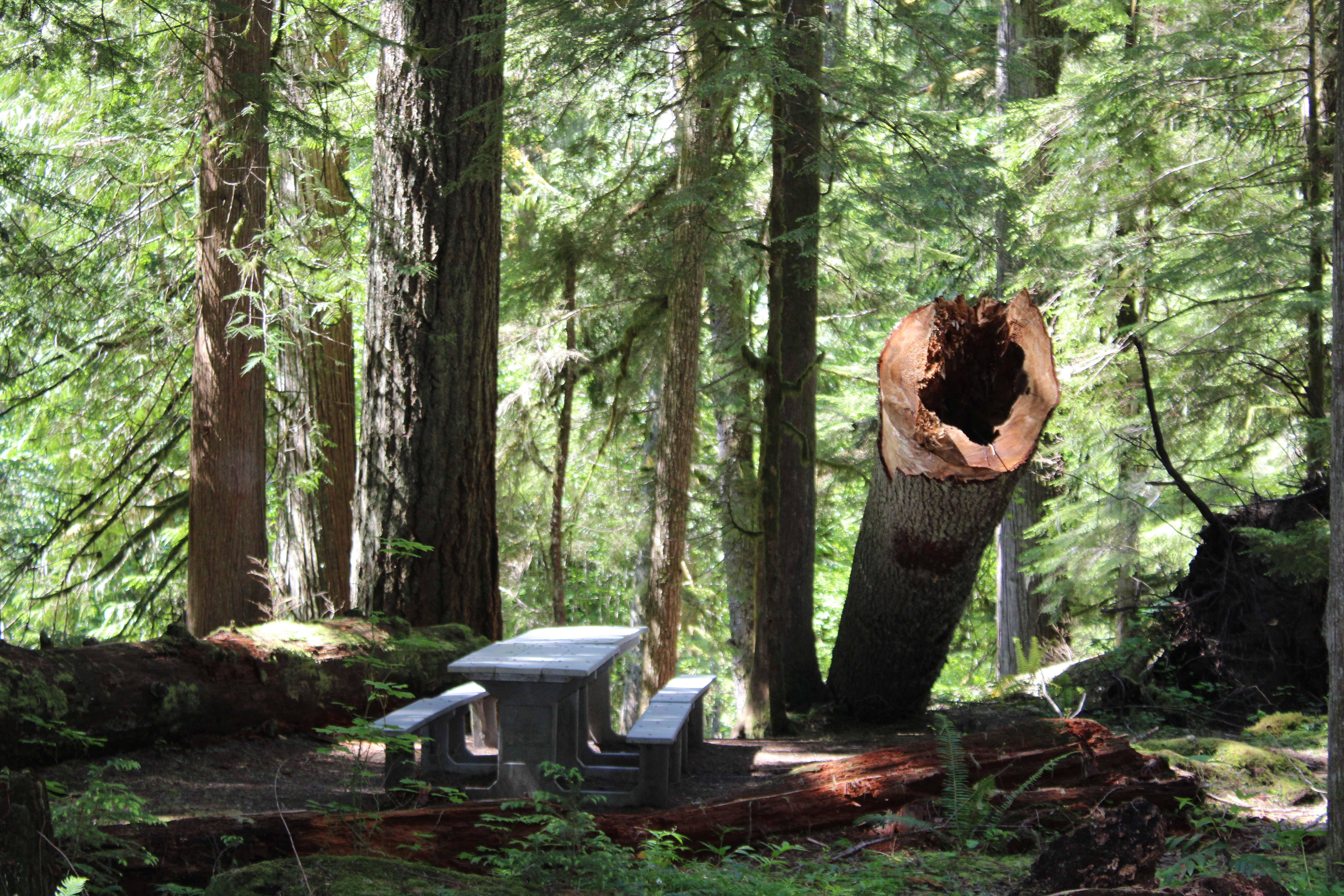
A good picnic leaves nothing behind. The National Park Service’s summary of the Leave No Trace principles includes repackaging food to minimize waste before you go, packing out all trash and leftover food, and never feeding wildlife. Bring a bag for your rubbish and take it home if bins are full.
These habits also make picnics a good alternative to pricier days out, like the budget tactics in our guide to stadium food on a budget: plan ahead, carry what you need and avoid paying for convenience on site.
Frequently asked questions
What are the cheapest picnic foods that still feel special?
A homemade grain or bean salad, a good loaf of bread, a dip, seasonal fruit and a tray of home-baked cookies or cake. Presentation helps: reusable containers and a cloth make simple food feel like an occasion.
How long can picnic food stay out?
Under FDA guidance, perishable food should not sit out for more than two hours, or one hour if the outdoor temperature is above 90 °F. Keep it in the cooler until you are ready to eat.
Do I need to buy a picnic set?
No. Everyday plates, cutlery, containers and a blanket from home work well. Put the money toward a decent cooler if you plan to picnic often.
Plan your next picnic
Choose three or four travel-friendly foods, make what you can at home, pack a cooler with frozen bottles and bring a bag for trash. For more low-cost ways to spend your free time, browse our leisure and games guides.