The best game night snacks on a budget are homemade, easy to eat with one hand, and not greasy enough to mark the cards. Think popcorn you pop yourself, vegetable sticks with a homemade dip, a tray of baked bites and a big jug of water. Plan quantities in advance, ask about allergies when you invite people, and you can host a full evening for a fraction of what a night out would cost. Work through the checklist below in the days before.
Key takeaways
- Choose snacks that are cheap in bulk, one-handed and low-mess.
- Plan amounts per person and make one or two things at home rather than buying many packs.
- Ask guests about allergies and label anything containing common allergens.
- Keep perishable food out of the fridge for no more than two hours, or one hour in high heat.
Planning checklist
- Confirm the head count a couple of days before, so you buy for the people actually coming.
- Decide the format. A short evening needs snacks; a long session over a mealtime needs something more substantial, like a pot of chili or a tray bake.
- Pick three or four snacks, not ten. A few generous bowls look better and cost less than many half-empty ones.
- Ask guests to bring one thing each if it is a regular group. Rotating who brings what spreads the cost.
- Check what you already have. Pantry staples such as rice, beans, flour, oats and spices are the base of most cheap snacks.
- Write a short shopping list and stick to it. Impulse buys in the snack aisle are where a cheap evening gets expensive.
- Prep in the afternoon. Chop vegetables, make dips and bake anything that keeps, so you are not cooking while everyone is learning the rules.
A little structure also helps the evening itself. When the snacks are ready before the doorbell rings, you can sit down and play rather than running back and forth to the kitchen.
Cheap game night snacks that work
Good game night snacks share three traits: they are filling, they can be eaten without cutlery, and they do not leave fingers sticky or greasy. Here is a quick comparison of common options.
| Snack | Cost level | Mess level | Make-ahead |
|---|---|---|---|
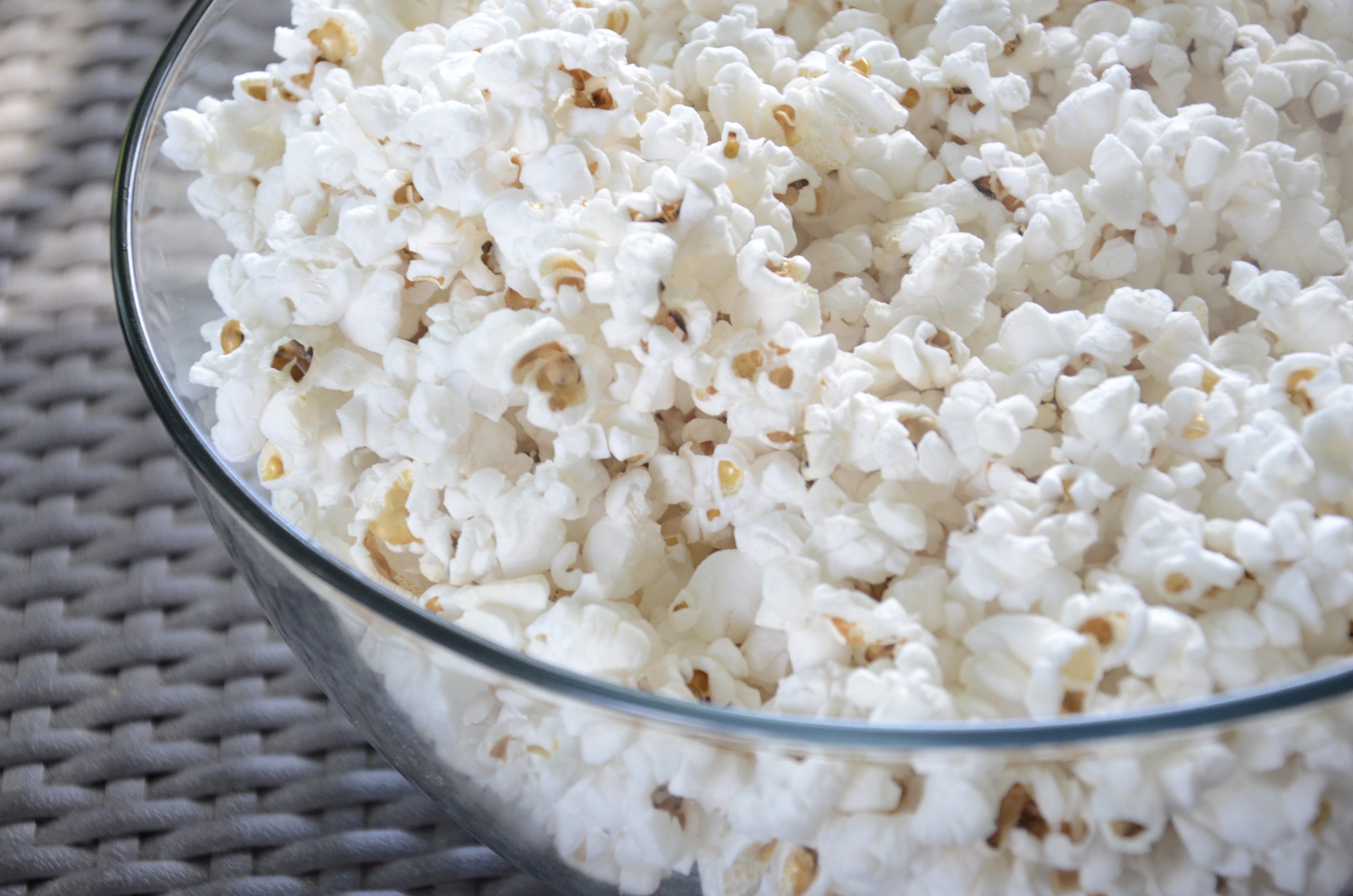
| Homemade popcorn | Very low | Low if lightly seasoned | Same day |
| Vegetable sticks and dip | Low | Low | Morning of |
| Homemade flatbread or pita chips | Low | Low | Day before |
| Baked potato wedges | Low | Medium | Same day |
| Chili or soup in mugs | Low per portion | Medium | Day before |
| Bought chips and dips | Medium | Medium | None |
| Sticky wings or saucy bites | Higher | High | Same day |
Making things yourself is where the money is saved. The logic is the same as in our comparison of cooking vs eating out: routine food made at home costs far less than food someone else prepares.

Card-friendly snack checklist
- Serve small bowls per pair of players so nobody reaches across the board.
- Provide napkins and small plates at every seat.
- Season popcorn lightly, or offer seasoning on the side, to avoid buttery fingers.
- Use toothpicks or skewers for anything sticky.
- Keep drinks on a side table rather than next to cards and game pieces.
- Offer tap water in a jug alongside anything else. It is the cheapest drink there is, as we explain in our piece on free tap water and other easy savings.
Allergy and dietary checklist
- Ask about allergies when you invite people, not on the night.
- Know the common allergens. In the US, the FDA lists nine major food allergens: milk, eggs, fish, crustacean shellfish, tree nuts, peanuts, wheat, soybeans and sesame.
- Label homemade dishes with their main ingredients, especially nuts, sesame and dairy.
- Keep one snack free of the major allergens where you can, such as plain popcorn or vegetable sticks.
- Use separate serving spoons for each dish to avoid cross-contact.
Food safety checklist
Game nights run long, and snacks sit out for hours. The CDC advises putting perishable food such as meat, dairy, cut fruit and cooked leftovers in the fridge within two hours, or within one hour if it is exposed to temperatures above 90°F.
- Put out dips and dairy in small batches and refill from the fridge.
- Set a timer when you put perishable food out.
- Keep your fridge at 40°F or colder, as the CDC recommends.
- Wash hands before handling food, and keep a hand towel handy.
Leftover checklist
- Chill leftovers promptly and they become tomorrow’s lunch.
- Offer guests containers to take extras home.
- Plan the next game night around anything you over-bought, like a second round of popcorn kernels.
Frequently asked questions
How much food do I need for game night?
It depends on timing. If the game starts after dinner, a few generous bowls of snacks are enough. If it runs over a mealtime, add one filling dish, like chili or a tray bake, so nobody goes home hungry.
What are the cheapest game night snacks?
Snacks made from inexpensive staples tend to cost least: popcorn from kernels, vegetable sticks, homemade dips and chips, and potato wedges. Store-bought snack packs are convenient but usually cost more per serving.
How do I keep game pieces and cards clean?
Choose low-mess snacks, provide napkins at every seat, serve sticky foods with toothpicks and keep drinks on a separate surface. A quick hand wash during breaks helps too.
Set the table, then deal
Pick three snacks from the table above, check allergies, and set your timer for anything perishable. That is all it takes to host a relaxed evening without spending much. Find more ideas for low-cost fun in our leisure and games section.