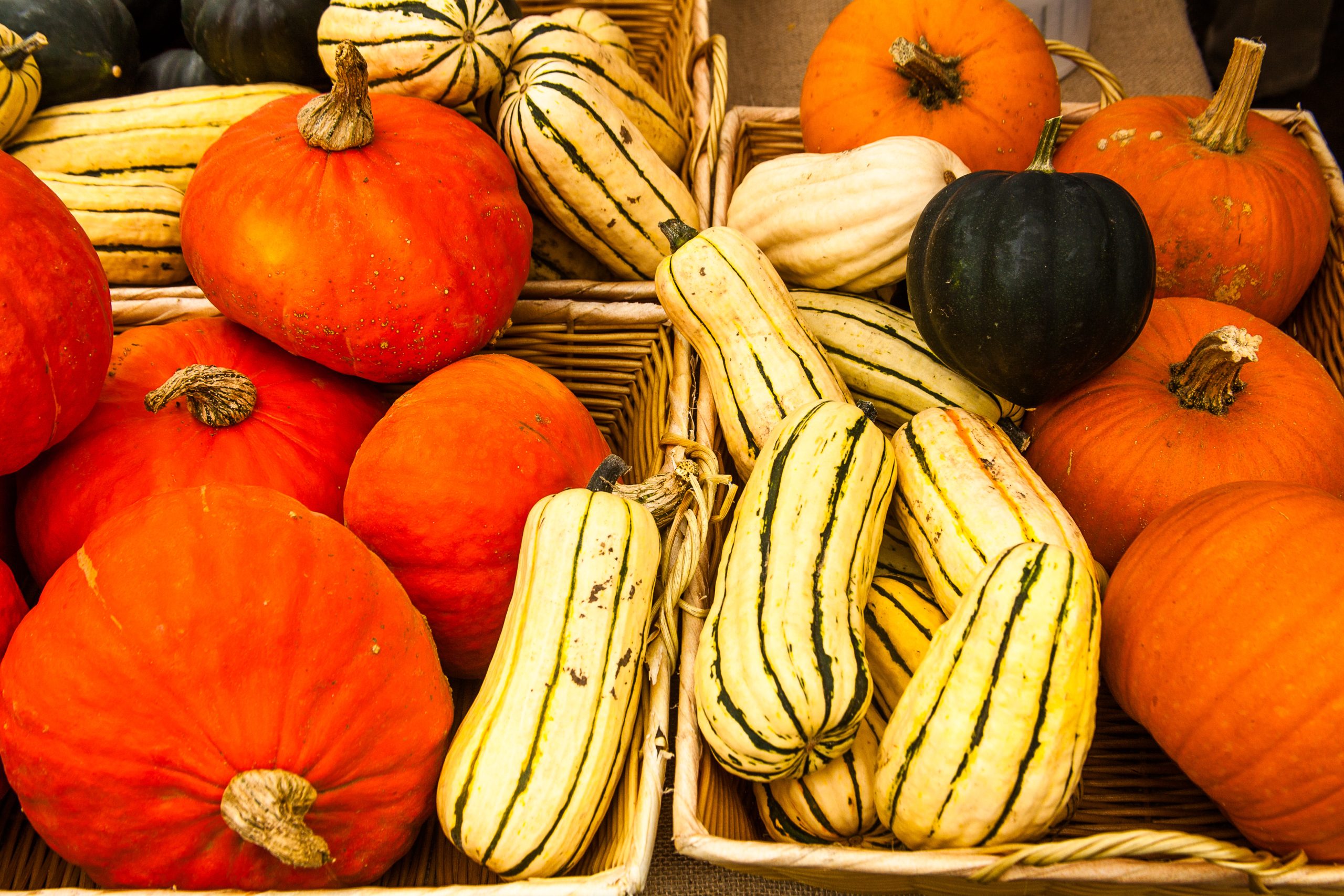
Seasonal menus often give you better value than year-round dishes, because ingredients in season tend to be plentiful, fresher and cheaper, and kitchens can build generous plates around them. That is not guaranteed, though. A “seasonal special” can also be a way to charge more for a familiar dish with a new name. The comparison below shows where seasonal menus usually win, where the standard menu is the safer bet, and how to tell a genuine in-season dish from marketing. Fall is a good time to practice: squash, apples, root vegetables and greens are everywhere.
Key takeaways
- Ingredients in season are usually cheaper and fresher, which can mean bigger, better plates.
- Year-round dishes are more predictable in price and portion.
- Genuine seasonal dishes change with the calendar and name specific produce.
- Ask what is new and what the kitchen has plenty of this week.
Why seasonal menus can be cheaper to cook
Restaurants pay for ingredients just as you do at the store. When a crop is at its peak, it is usually easier to buy in quantity and at a better price. The University of Iowa’s student wellness guide on eating fruits and vegetables on a budget puts it simply: buying produce in season is usually lower cost, fresher so it keeps longer, and often tastes better. Its fall list includes apples, pears, Brussels sprouts, cabbage, carrots, parsnips, potatoes, pumpkins, sweet potatoes and winter squash.
Ingredient prices also move more than menu prices. The USDA Economic Research Service notes in its Food Price Outlook that prices at the farm level are far more volatile than the consumer prices you see, and that volatility shrinks as food moves from farm to retail. A kitchen that adjusts its menu to what is plentiful can absorb those swings; a fixed menu has to price for the worst week of the year.
Seasonal menus vs year-round dishes compared
| Factor | Seasonal dishes | Year-round dishes |
|---|---|---|
| Ingredient cost to the kitchen | Often lower at peak season | Steady, but may include out-of-season produce |
| Freshness and flavor | Usually at their best | Can vary through the year |
| Portion generosity | Can be bigger when produce is plentiful | Fixed and predictable |
| Price predictability | Can change week to week | Stable, easy to compare |
| Risk of disappointment | A new dish may not suit you | You know what you are getting |
| Best for | Trying something new, getting more vegetables | Picky eaters, tight budgets, repeat favorites |
How to tell a genuine seasonal dish from a rebrand
Not every “seasonal” label means the same thing. Signs a dish is genuinely built around the season:
- It names specific produce that is in season now, such as butternut squash, apples or kale in fall.
- The specials board or insert changes regularly, not once a year.
- The dish uses the seasonal ingredient as the main event, not as a garnish.
- Staff can tell you what came in fresh that week.
Signs of a rebrand: the same base dish with a seasonal sauce, a holiday name with no seasonal produce, or a “limited time” item priced well above similar regular dishes.
Where seasonal menus give the best value
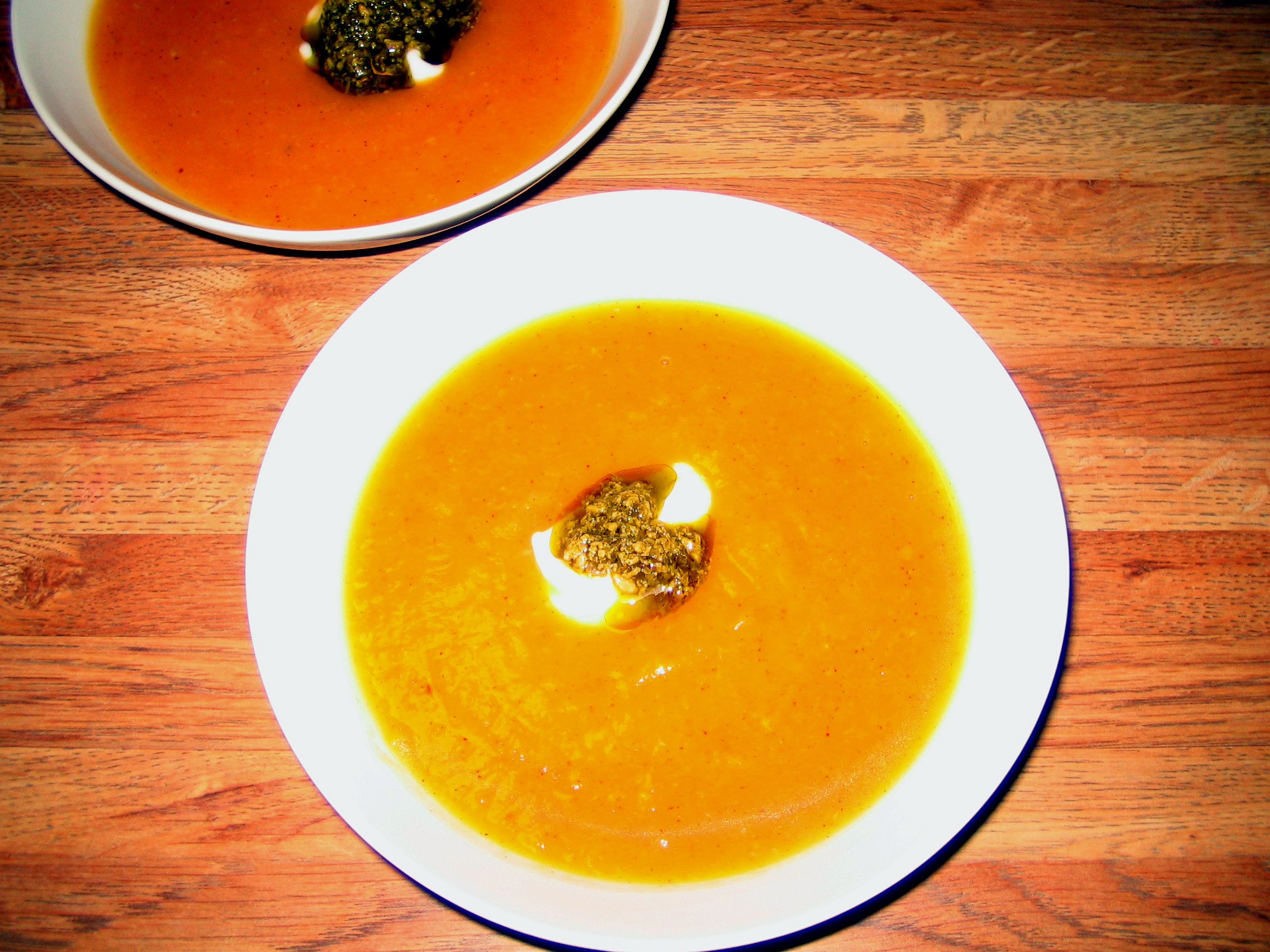
Soups and stews are often the strongest seasonal buys. A squash or root-vegetable soup uses inexpensive produce, fills you up and is easy for a kitchen to make in volume. Vegetable sides built around what is in season can also be generous, and a seasonal salad or grain bowl can work as a full meal. Our guide to ordering appetizers as a meal explains how to combine smaller plates like these into dinner.
Desserts are mixed. A fall fruit crumble may be a fair price, while a heavily marketed seasonal drink or dessert is often where the markup sits.
When the regular menu wins
If you are feeding children, sticking to a strict budget or going somewhere for a dish you already love, the year-round menu is usually safer. You know the portion size and the price, and you can compare it with past visits. Our guide to restaurant portion sizes covers how to judge value on familiar dishes.
A simple test at the table
Before you order, run a quick three-question check. First, does the seasonal dish name a specific ingredient that is in season where you are? Second, is its price in line with similar regular dishes, or noticeably higher? Third, will it fill you up on its own, or will you need sides to make a meal of it? If the answers are yes, similar and filling, the seasonal option is probably the better deal. If prices across the whole menu have been creeping up, our walkthrough on dining out during food inflation has more ways to protect your budget.
Frequently asked questions
Are seasonal menus always cheaper?
No. The ingredients may cost the kitchen less, but menu prices also cover labor, rent and everything else. Compare the seasonal dish with similar regular dishes before deciding.
What is in season in the fall?
It depends on where you live. Common fall produce in many parts of the US includes apples, pears, pumpkins, winter squash, sweet potatoes, Brussels sprouts and cabbage.
Is it rude to ask what is seasonal?
Not at all. Asking “what’s new or in season this week?” is a normal question, and staff are usually glad to point out dishes the kitchen is proud of.
Getting the most from fall menus
Read the specials, look for named in-season produce, favor soups, stews and vegetable-led plates, and compare their prices against the regular menu. When the dish is genuinely seasonal, you often get more food and more flavor for the same spend. For more ways to stretch your dining budget, see our value dining guides.