Supermarket hot food often beats takeaway on value when you need a quick meal, mainly because you skip delivery charges and can stretch ready-cooked items with cheap sides from the same shop. A whole cooked chicken plus a bag of salad and some bread can feed a household for two meals. Takeaway still wins on choice, freshness at the moment of cooking and the simple pleasure of a meal someone else has finished for you. Which is better depends on what you buy, how far you carry it, and whether you will use the leftovers.
Key takeaways
- Supermarket hot food avoids delivery and service fees and is easy to pair with cheaper sides.
- Takeaway usually offers more variety and food cooked to order.
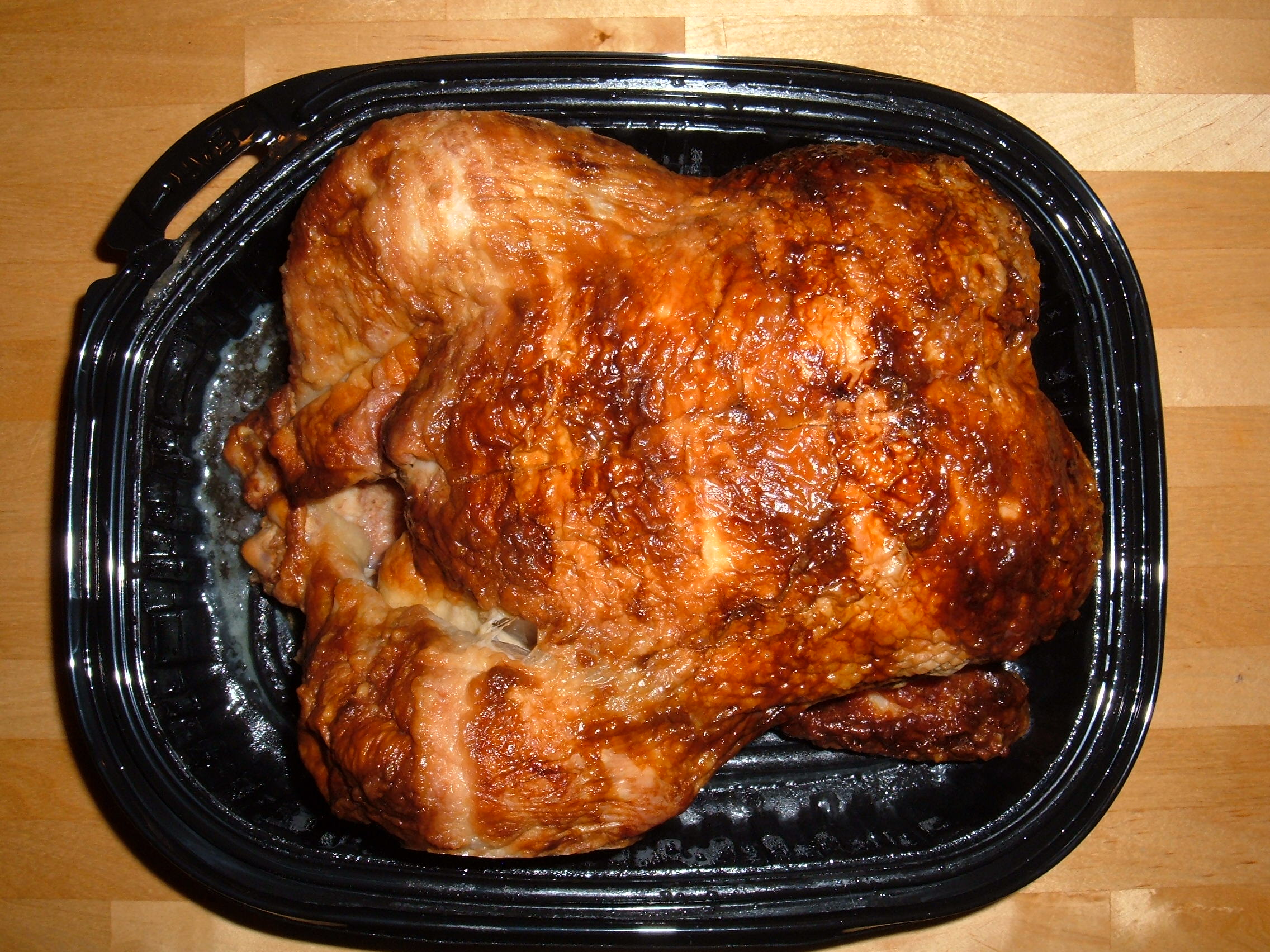
- Whole items like cooked chickens stretch further than single portions.
- Hot food must be eaten or refrigerated within two hours, or one hour above 90 °F.
Why supermarkets sell hot food at all
Supermarkets have long blurred the line between shop and restaurant. In the US, when the eating area inside a supermarket is substantial enough, the space may be called a “grocerant,” a blend of grocery and restaurant, as the Wikipedia overview of the supermarket format notes. The same overview explains that supermarkets rely on buying power and high sales volumes, and sometimes sell staples as loss leaders to bring shoppers in.
For you, that means the hot counter is partly there to get you through the door. Cooked items are convenient, and the shop hopes you will pick up more on the way to the checkout. That is fine, as long as the extras are sides you planned to buy.
Supermarket hot food vs takeaway, side by side
| Factor | Supermarket hot food | Takeaway |
|---|---|---|
| Fees on top | Usually none beyond the item price | Delivery, service and packaging fees possible |
| Choice | Limited, often roast meats, fried items, soups | Full menu, many cuisines |
| Freshness | Cooked in batches and held hot | Usually cooked to order |
| Portion flexibility | Buy a whole item or by weight | Fixed portions |
| Pairing with sides | Easy to add salad, bread, fruit from the same shop | Sides cost menu prices |
| Leftovers | Whole items naturally make second meals | Depends on portion size |
| Calorie information | Shown at larger chains | Shown at larger chains |
| Effort | You collect it | Collected or delivered |
The fee row is often the biggest single difference. Our guide to food delivery fees explains how those add-ons stack up, and our comparison of takeaway vs delivery vs dine-in shows why collecting it yourself is usually the cheaper route.
Where takeaway still wins
Supermarket hot food has real limits:
- Batch cooking means holding time. Items are cooked in batches and kept hot, so textures can suffer, especially anything fried or crisp.
- Choice is narrow. If you want a particular cuisine, a takeaway menu is hard to beat.
- Cooked to order matters for some dishes. Noodles, stir-fries and many fried foods are best eaten minutes after cooking.
If you are buying takeaway for a group, ordering larger shared dishes and collecting them yourself narrows the gap considerably.
How to get the best value from the hot counter
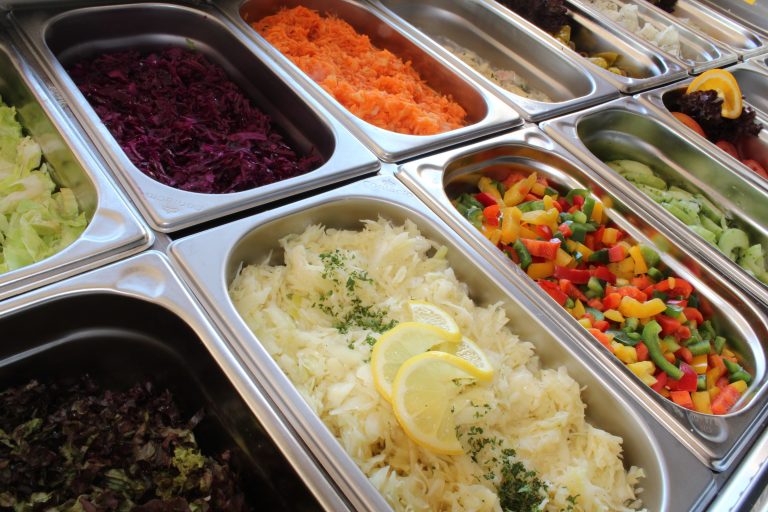
- Buy whole, not portioned. A whole cooked chicken, a tray of roasted vegetables or a large soup goes further per meal than single hot portions.
- Build the meal from cheaper shelves. Add bagged salad, bread, canned beans or fruit rather than buying every component hot.
- Plan the second meal. Strip leftover chicken the same evening for sandwiches, salads or soup the next day, which fits neatly into a weekly meal planning routine.
- Check calorie labels for portion size. Under FDA menu labeling requirements, restaurants and similar retail food establishments in chains of 20 or more locations must show calories for standard items, and for self-service foods and foods on display, calories must be listed close to the item. Where you see them, they are a quick way to compare how much food you are getting.
- Shop near the end of the day. Some shops reduce hot items later in the day. It is not guaranteed, so treat it as a bonus rather than a plan.
Keep hot food safe on the way home
Food safety is the hidden cost of any hot food bought to go. The FDA’s guidance on storing food safely sets out the “two-hour rule”: food that needs refrigeration should not sit at room temperature for more than two hours, or one hour if the air temperature is above 90 °F, and it specifically applies the rule to leftovers, doggie bags and take-out foods. It also recommends keeping the refrigerator at or below 40 °F.
In practice: go straight home, eat what you need, and refrigerate the rest promptly in covered containers.
Frequently asked questions
Is supermarket hot food always cheaper than takeaway?
Not always. Single hot portions can cost as much as a takeaway dish. The savings usually come from buying whole items, skipping delivery fees and pairing them with inexpensive sides.
Can I reheat a supermarket cooked chicken the next day?
Yes, if it was refrigerated promptly after you bought it. Follow the two-hour rule, store it covered in the fridge and check it for any signs of spoilage before eating.
Is supermarket hot food as healthy as takeaway?
It varies by item in both cases. Calorie information, where shown, helps you compare. Adding salad or vegetables from the shop shelves is an easy way to balance a hot counter meal.
Pick the right option for tonight
If you want variety or a dish cooked to order, takeaway is worth it. If you want a cheap, flexible meal with leftovers, the supermarket hot counter plus a couple of shelf items usually wins. Find more low-cost meal ideas in our cheap eats guides.