Meal planning frees up money for eating out because it attacks the two quiet drains on any food budget: groceries that spoil before you use them and takeout ordered because nothing at home was ready. Plan the week’s home meals before you shop, buy only what those meals need, and cook a few things in batches. The savings do not have to vanish into a savings account. Many people find it easier to stick to a plan when they know it pays for a proper restaurant meal at the end of the month.
Key takeaways
- Decide which meals you will eat out first, then plan the rest at home.
- Check the fridge, freezer and pantry before writing the shopping list.
- Repeat a short list of favorite meals so planning takes minutes.
- Cook once, eat twice: batch cooking covers busy nights.
- Track what you save and move it into your eating-out budget.
Why meal planning matters for a dining budget
Food is a large share of most household spending. A North Carolina Cooperative Extension article on meal prep and planning notes that Americans spend, on average, over 11 percent of disposable income on food, split roughly half and half between groceries and food away from home.
That even split is useful. It means the grocery half and the restaurant half compete for the same money. Every unplanned takeout order and every bag of wilted salad comes out of the same pot as the dinner out you were looking forward to. If you have already worked out an eating-out budget that sticks, meal planning is how you protect it.
Step 1: Start with meals out, then check what you have
This is the step most meal planning guides skip. Before planning anything at home, mark the meals you already know will happen elsewhere: a birthday dinner, a work lunch, a Friday night out. The US Environmental Protection Agency’s advice on preventing wasted food at home makes the same point from the other direction: base your shopping list on how many meals you will actually eat at home, allowing for eating out and leftovers.
Planning around restaurant meals stops you buying food for nights you will not be home.
Next, look in the refrigerator, freezer and pantry before writing a list. The EPA suggests noting what needs to be used up each week and planning upcoming meals around it. Half a bag of spinach and a tin of chickpeas can become Monday’s dinner instead of next week’s waste.
Step 2: Keep a list of meals you already like
Planning gets faster when you are choosing from a menu rather than inventing one. The NC extension article recommends listing your household’s favorite breakfasts, lunches and dinners and repeating easy recipes each week, even on the same day, such as a regular taco night. Keep a pantry stocked for those meals and buy the same perishables each week.
A simple weekly plan might look like this:
| Day | Dinner | Source |
|---|---|---|
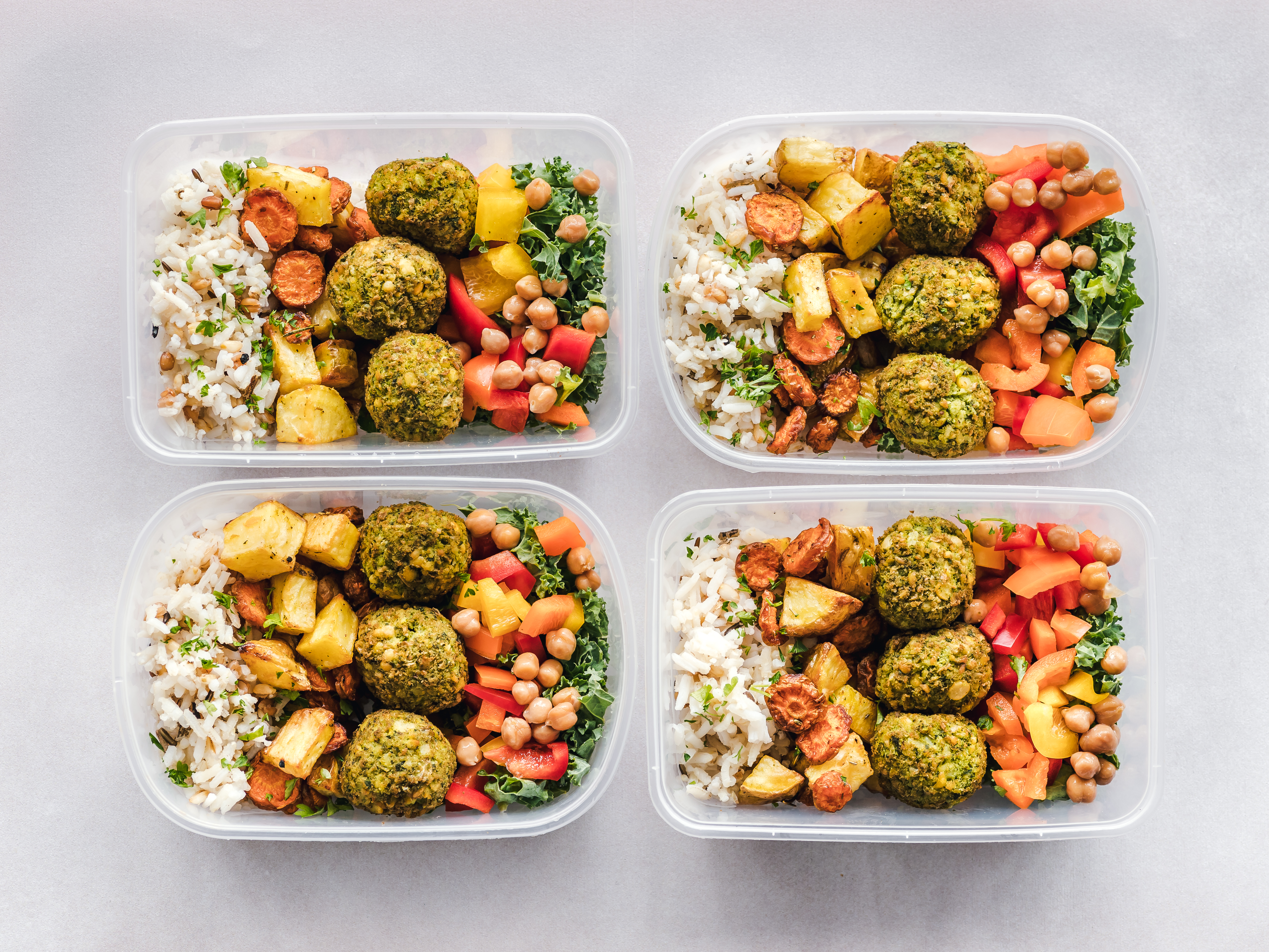
| Monday | Grain bowls with roasted vegetables | Sunday batch cook |
| Tuesday | Tacos | Weekly repeat meal |
| Wednesday | Soup from the freezer | Previous batch |
| Thursday | Pasta with leftover vegetables | Use-up night |
| Friday | Dinner out | Dining budget |
| Saturday | Stir-fry | Fresh shop |
| Sunday | Batch cook for the week | Fresh shop |
Step 3: Write a list with quantities
A list without quantities still leads to overbuying. The EPA recommends noting on the list how many meals each item is for, such as salad greens enough for two lunches. It also cautions that buying in large quantities, including multi-buy deals, only saves money if you use all the food before it spoils.
Step 4: Cook once, eat twice
Batch cooking is what makes a plan survive a busy week. The NC extension guidance suggests cooking large batches of favorite recipes for leftovers, preparing big portions of vegetables and protein to combine with a starch and sauce, and freezing soups and casseroles in meal-sized portions for variety later. Chopping vegetables when you have spare time also speeds up weeknight cooking.
If lunches are part of your plan, our packed lunch planning checklist shows how to fold them into the same prep session.
Step 5: Track the savings and spend them on purpose
The final step turns the plan into a habit. The NC extension article suggests keeping track of how much you save by eating out less and wasting less food, then doing something special with it. For a dining budget, that something can be obvious: a restaurant you have wanted to try.
Our breakdown of cooking vs eating out explains why home meals usually cost less. Meal planning makes sure that difference shows up in your budget instead of leaking out through waste.
Frequently asked questions
How long does meal planning take each week?
Once you have a list of favorite meals, choosing a week’s dinners and writing a shopping list can be quick. The first few weeks take longer while you build that list.
Should I plan every single meal?
No. Planning dinners and any lunches you bring to work covers most of the savings. Breakfasts tend to be repetitive already, and leaving a night or two flexible stops the plan feeling rigid.
What if plans change and I end up eating out?
Shift the planned meal to another night or freeze the ingredients. The EPA recommends freezing food such as bread, meat or leftovers that you know will not be eaten in time, labeled with contents and date.
Try one planned week
Pick your eating-out nights first, then plan the remaining dinners from meals you already like and shop with quantities. At the end of the week, compare what you spent with a normal week. For more habits that support a better dining budget, see our lifestyle guides.