In the cooking vs eating out debate, home cooking almost always costs less per meal, and recent price data make the gap more likely to widen than shrink. But the true cost also includes your time, the food you throw away, the skills you have and what the meal is for. Once you weigh those, the smart answer is rarely “always cook” or “never eat out.” It is knowing which meals to cook and which ones are worth paying someone else to make.
Key takeaways
- Restaurant prices have been rising faster than grocery prices in recent years, according to USDA data.
- Home cooking wins on money for most everyday meals, especially when you cook in batches.
- Eating out can win on time, waste and social value for some occasions.
- Decide meal by meal: cook the routine, budget for the meals out that matter.
What the price data say
The USDA Economic Research Service tracks how fast grocery prices and restaurant prices rise. In its Food Price Outlook, it reports that food-away-from-home prices rose 4.1 percent in 2024 and 3.8 percent in 2025, faster than their historical average of 3.5 percent per year. Food-at-home prices rose 1.2 percent in 2024 and 2.3 percent in 2025, below their historical average of 2.6 percent.
The agency also notes that between 2009 and 2019 the two diverged, with grocery prices actually deflating in 2016 and 2017 while restaurant prices kept rising. Put simply: the restaurant premium has been growing for years.
Cooking vs eating out: the side-by-side comparison
Money is only one column. Here is how the two compare across the factors that decide whether a meal was good value.
| Factor | Cooking at home | Eating out |
|---|---|---|
| Cost per meal | Usually much lower, especially in batches | Higher; includes labor, rent, service |
| Price trend | Grocery prices rising more slowly lately | Restaurant prices rising faster than average |
| Time | Shopping, prep, cooking and cleanup | Travel and waiting, but no prep or dishes |
| Food waste | Risk of unused ingredients spoiling | Leftovers only if you take them home |
| Portion control | You choose the amount | Kitchen chooses; often large |
| Skills needed | Some; improves with practice | None |
| Variety | Limited by your repertoire and pantry | Dishes you could not easily make |
| Social value | Hosting can be cheap and personal | Neutral ground, no host workload |
The hidden costs of cooking
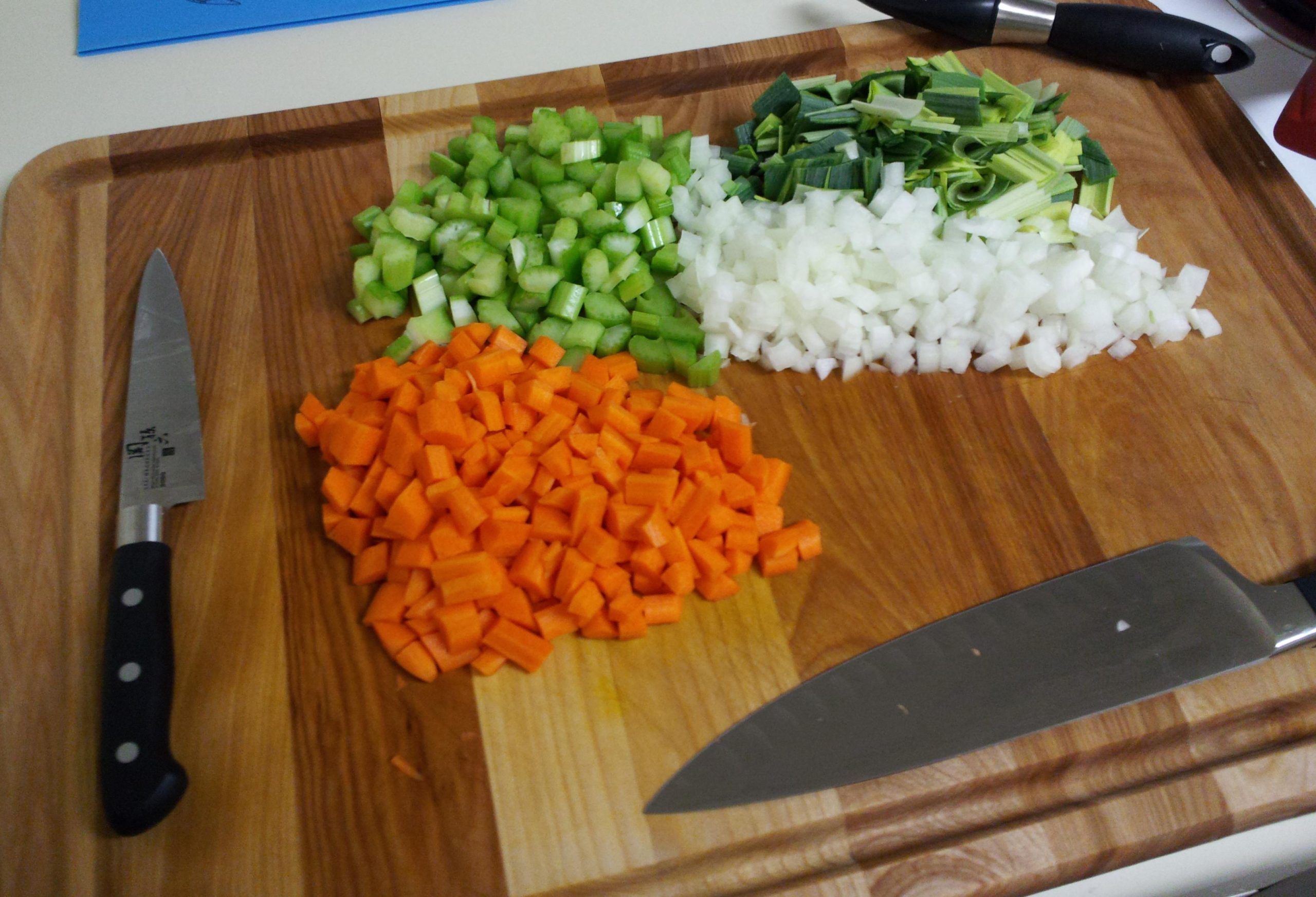
Home cooking is not free of costs beyond groceries. Time is the big one. The Bureau of Labor Statistics’ American Time Use Survey tracks food preparation and cleanup as one of the everyday household activities people spend time on. Those are hours that eating out removes entirely. Count the shopping trip, the cooking and the washing-up when you compare the two options honestly. On a busy weeknight, that time can be worth more to you than the saving, and on a quiet Sunday it may cost you almost nothing.
Waste is the other one. Buying a whole bunch of herbs for one recipe, or a family pack of something you only half use, quietly raises the cost per meal. Planning a few dishes that share ingredients helps a lot.
The hidden costs of eating out
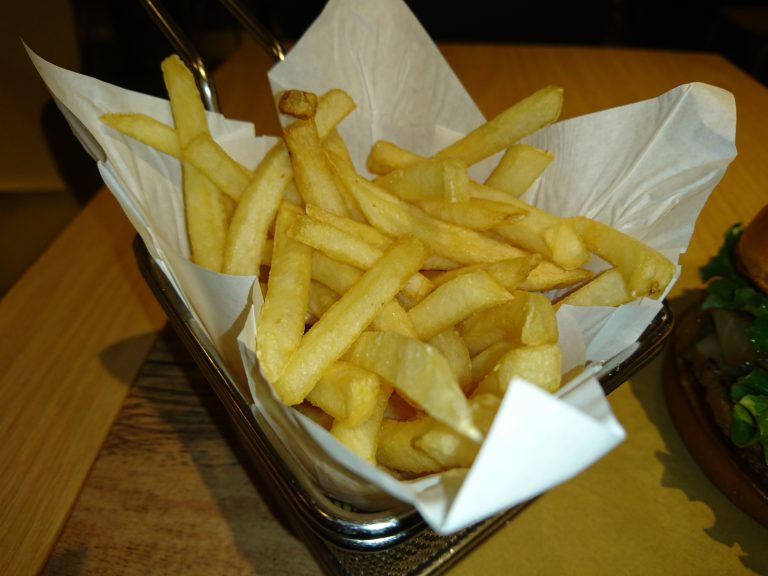
Eating out has its own extras. Drinks, starters, desserts, tips and delivery or service fees all sit on top of the menu price of the main dish. Portion sizes play a role as well: a plate that is too big for one sitting is only good value if you take the rest home, as our explainer on restaurant portion sizes and value explains. Ordering lighter, for instance choosing appetizers as a meal, can bring the bill down without skipping the experience.
A simple way to decide, meal by meal
Instead of a blanket rule, sort meals into three groups.
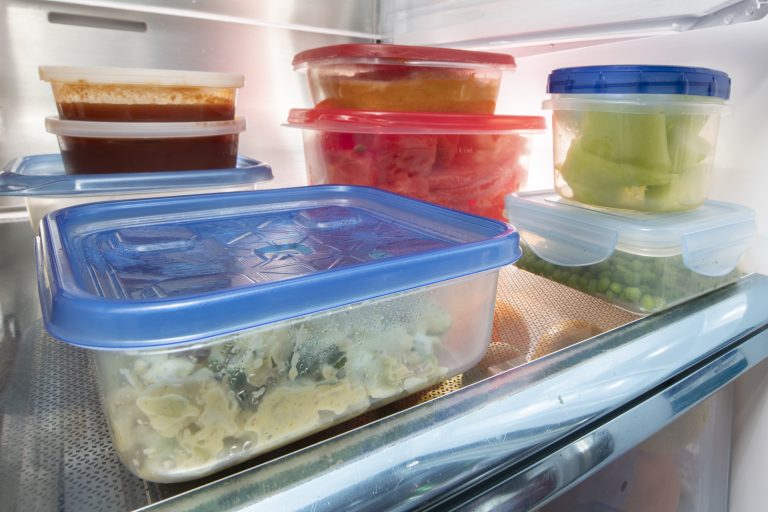
- Routine meals. Weekday breakfasts, lunches and most dinners. Cook these, in batches where you can. This is where the price gap adds up fastest.
- Rescue meals. Nights when you are exhausted and have nothing ready. Plan for them with a quick backup at home, so eating out becomes a choice rather than a default.
- Meals that matter. Birthdays, catch-ups, trying a cuisine you cannot cook. Eat out for these, guilt-free, and budget for them in advance.
That third group is what an eating out budget is for. When routine meals are covered at home, the money you set aside for meals out goes much further.
Frequently asked questions
Is cooking at home always cheaper than eating out?
For most everyday meals, yes, especially when you cook in batches and use up ingredients. It can be closer for single portions of dishes that need many specialty ingredients, or when food you buy ends up thrown away.
Are restaurant prices rising faster than grocery prices?
According to USDA ERS, yes in recent years: restaurant prices rose faster than their historical average in 2024 and 2025, while grocery price growth was below its average.
How do I value my time when comparing costs?
There is no single formula. A practical test is to ask what you would do with the time saved. If eating out frees an evening for something you genuinely need, it may be worth it; if not, cooking is the better deal.
Cook the routine, savor the rest
Start by cooking two more routine meals at home each week and moving that saving into your eating-out fund. You will spend less overall and enjoy your meals out more. Find more ideas in our saving strategy articles.