The most effective way to reduce food waste is to stop it happening in the first place: buy and order only what you will eat, store it well, and use leftovers before they spoil. Composting and recycling help, but the US Environmental Protection Agency ranks prevention above them because it saves all the resources that went into growing, moving and cooking the food. For anyone on a budget, prevention is also the version that saves money. Several popular beliefs about wasted food point people at the wrong fixes, so here are the myths, the facts and the habits that matter.
Key takeaways
- Preventing waste beats composting it, according to the EPA’s Wasted Food Scale.
- Households, restaurants and shops together generate a large share of wasted food.
- Multi-buy deals only save money if you use everything before it spoils.
- Imperfect produce is just as safe and nutritious as perfect-looking produce.
- Ordering sensibly and taking leftovers home cuts waste when you eat out.
Myth 1: Composting is the best way to reduce food waste
Fact: Composting is better than sending food to landfill, but it is not at the top. The EPA’s Wasted Food Scale ranks the ways of handling wasted food from most to least preferred. The most preferred pathways are preventing wasted food, donating it and upcycling it, because they keep food doing its job: feeding people. Composting sits lower, and landfill, incineration and sending food down the drain have the largest environmental impacts.
The EPA explains why prevention comes first: when food is wasted, all the resources used to produce, process, distribute and prepare it are wasted too. A compost bin recovers some value from scraps. Not buying the food you would have thrown away recovers all of it, including the money.
Myth 2: Food waste is mostly a farm and supermarket problem
Fact: A large share happens closer to the plate. The EPA’s overview of sustainable management of food estimates that in 2019 about 66 million tons of wasted food were generated in the food retail, food service and residential sectors, and that about 60 percent of it went to landfills. The same page notes the United Nations estimate that about one-third of all food produced for people is lost or wasted globally.
The EPA lists the kinds of waste involved, and several are familiar from daily life: plate waste, uneaten prepared food and kitchen trimmings from restaurants, cafeterias and households. That is the part you can do something about.
Myth 3: Bulk buys and multi-buy deals always save money
Fact: Only if you eat what you buy. The EPA’s guidance on preventing wasted food at home is blunt: buying in large quantities, including buy-one-get-one-free offers, only saves money if you use all the food before it spoils. A deal that ends with half a bag of salad in the bin costs more per portion than the smaller bag would have.
The same guidance suggests checking the fridge, freezer and pantry before shopping, planning the week’s meals first, and writing quantities on your list. Our step-by-step guide to meal planning turns that into a weekly routine.
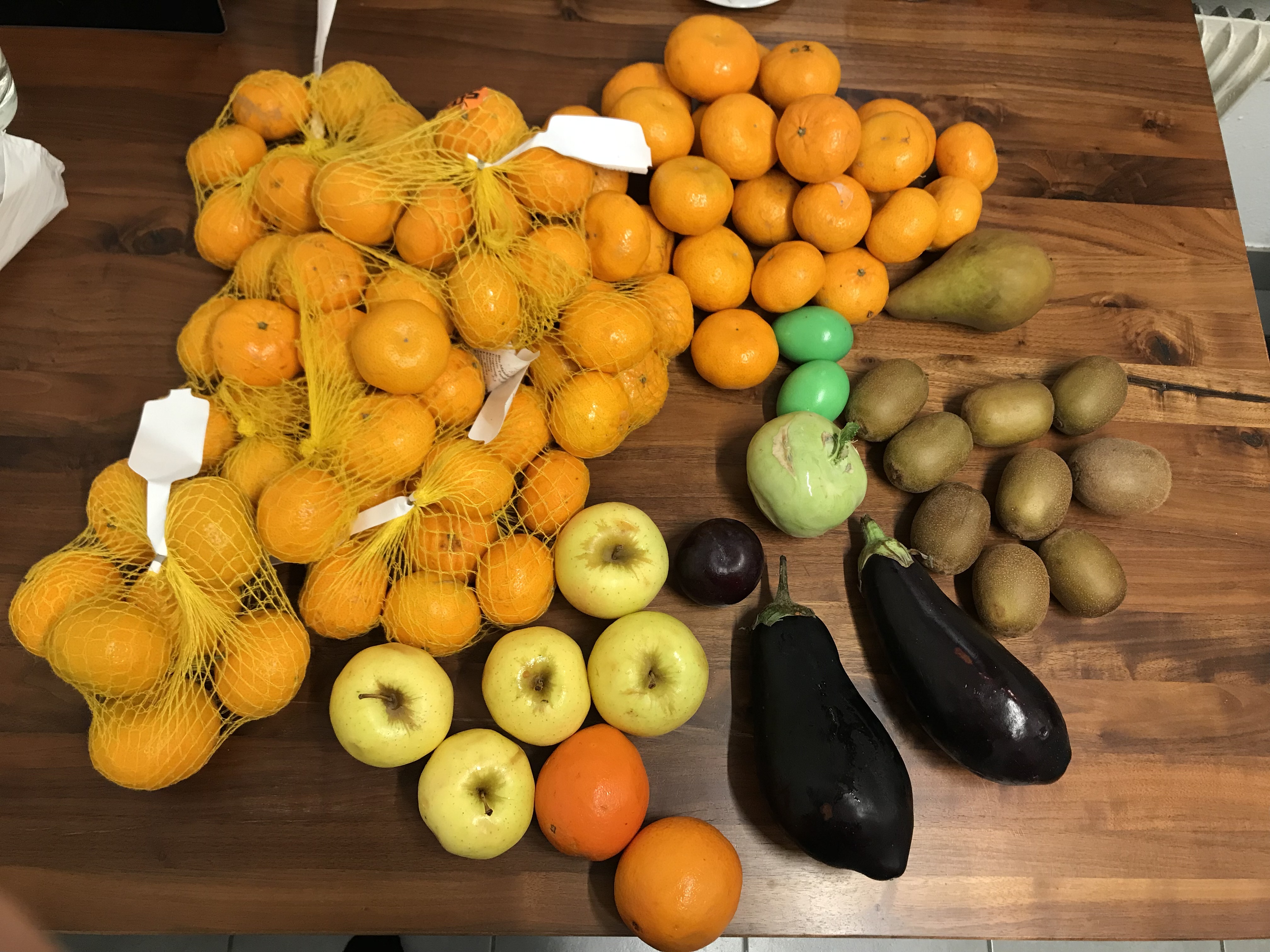
Myth 4: Odd-looking produce is second-rate
Fact: The EPA notes that imperfect produce may have physical blemishes but is just as safe and nutritious, and it can sometimes be found at a discount. If your shop sells misshapen fruit and vegetables at a lower price, they are one of the simplest ways to save money without wasting food.
The same goes for food at home that is past its best but still fine to cook. The EPA suggests turning tired produce and odds and ends into soups, casseroles, stir-fries, frittatas, sauces, baked goods or smoothies, and using edible parts you might normally throw away, such as stale bread for croutons or beet greens as a side dish.
Myth 5: Eating out does not create food waste for you to worry about
Fact: Restaurant plate waste and uneaten prepared food are part of the picture the EPA describes. You have more control over it than it might seem:
| Habit | Why it helps |
|---|---|
| Order fewer dishes and add more if still hungry | Avoids over-ordering for the table |
| Ask how big a dish is before ordering | Helps you choose a portion you will finish |
| Share large plates | Splits generous portions instead of leaving them |
| Take leftovers home | Turns surplus into a second meal |
| Use leftovers within a few days | Stops boxed food becoming fridge waste |
Taking food home only helps if you then eat it. Our checklist for taking restaurant leftovers home safely covers how long they keep and how to reheat them.
Frequently asked questions
What is the single most effective way to reduce food waste at home?
Plan meals before you shop and buy only what those meals need. The EPA lists planning first among its tips, and it prevents waste before it starts.
Is it worth composting if I already try to waste less?
Yes. Scraps such as peels and coffee grounds will always exist, and composting them is better than landfill on the EPA’s scale. Just treat it as the second step, not the first.
How can I use up leftovers more easily?
Store them in clear, labeled containers with dates, keep them at the front of the fridge, and plan one “use-up” meal a week. Packing them for work, as in our packed lunch planning checklist, is another easy outlet.
Start with one habit this week
Pick one change: check the fridge before shopping, skip a multi-buy you will not finish, or take home your restaurant leftovers and eat them the next day. Each one saves food and money. For more everyday habits, see our lifestyle guides.