In the takeaway vs delivery vs dine-in question, picking up your own order (takeaway, or takeout) is usually the cheapest way to eat restaurant food, delivery is usually the most expensive, and dining in sits in between depending on drinks and tips. The menu price is often identical across all three; the difference is in what gets added on top. Once you know which extras each option carries, choosing the right one for the night becomes quick and easy.
Key takeaways
- Pickup avoids delivery, service and busy-time fees, and usually the courier tip.
- Delivery adds several charges, and menu prices on platforms can be higher than in-store.
- Dining in adds drinks, sides and table-service tips, but gives you the full experience.
- Choose by the purpose of the meal, not habit.
Takeaway vs delivery vs dine-in at a glance
Here is how the three options compare on the factors that decide the final bill and how much you enjoy the meal.
| Factor | Takeaway (pickup) | Delivery | Dine-in |
|---|---|---|---|
| Menu prices | Restaurant’s own prices | May be higher on platforms | Restaurant’s own prices |
| Extra fees | Usually none | Delivery, service, small-order, busy-time | Sometimes a service charge |
| Tip | Optional or small | Courier tip expected in many places | Table-service tip expected in many places |
| Drinks | Your own at home | Your own at home, or added to order | Often the biggest add-on |
| Food quality on arrival | Good if you go straight home | Can suffer in transit | Best: straight from the kitchen |
| Your time | Travel to collect | None | Travel plus the meal |
| Leftovers | Easy: already at home | Easy | Ask for a box |
| Experience | Home comfort | Home comfort, no effort | Service, atmosphere, occasion |
Where delivery costs come from
Delivery is convenient precisely because someone else does the work, and that work is charged in several lines. Our explainer on food delivery fees breaks them down: delivery fees, platform service fees, small-order and busy-time charges, plus any menu markup and a tip.
Disclosure rules vary by place. In California, for example, the Attorney General’s guidance on the Honest Pricing Law says food delivery platforms must advertise the full, all-in price of their delivery service, while restaurants can show mandatory fees separately as long as they are clearly displayed wherever prices appear. Elsewhere, fees may only show up at checkout, so always look at the final total.
Where dine-in costs come from
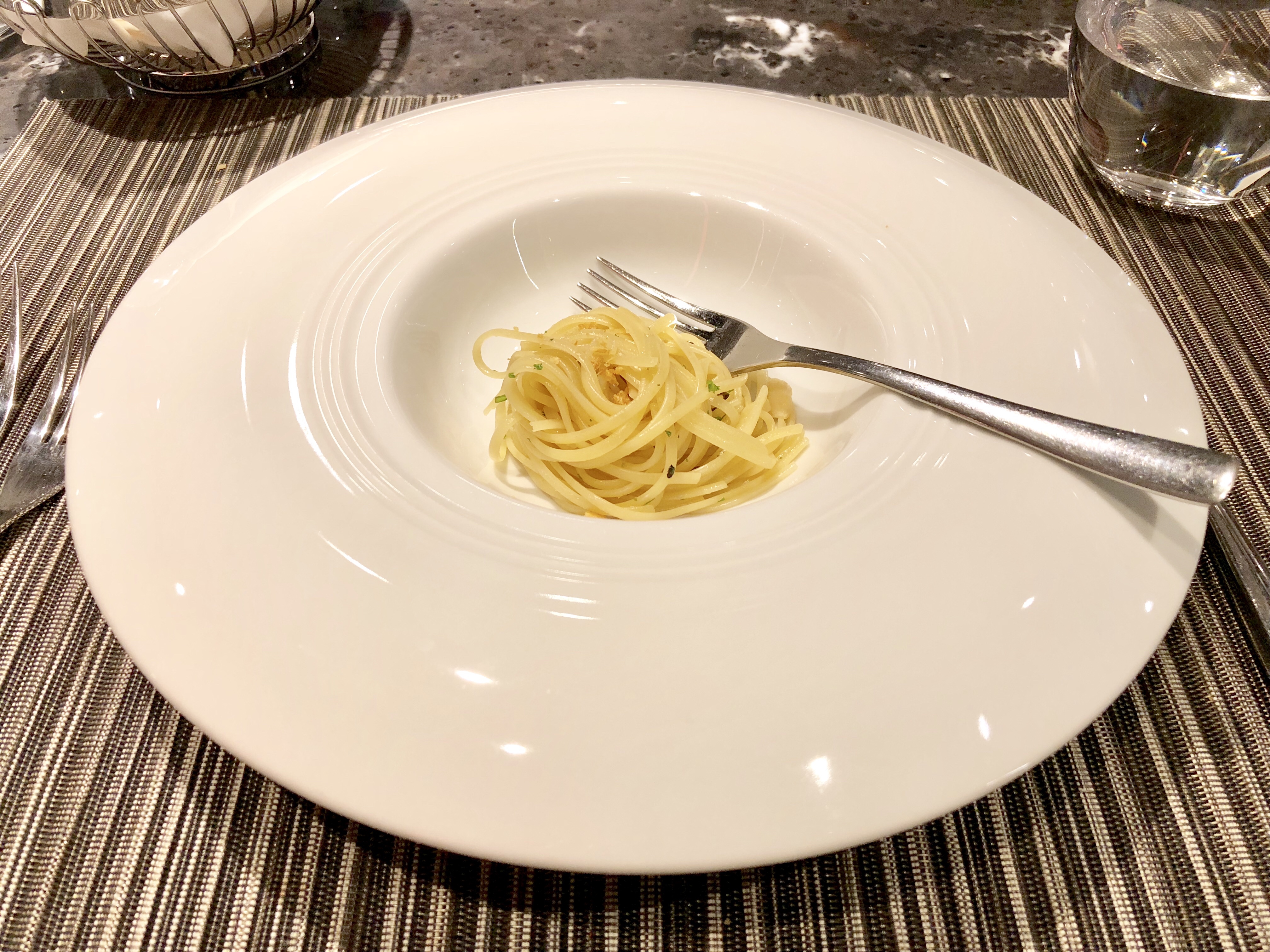
Sitting down adds a different set of extras. Drinks are often the largest: a round of soft drinks or alcohol can rival the food. Starters, sides and dessert tend to get added because they are right there on the menu. Table-service tipping is expected in many countries, and some restaurants add a service charge.
Dine-in also has advantages for your wallet. You can share dishes, order tap water instead of paid drinks, and judge portion sizes before ordering more.
Where takeaway wins
Pickup strips out almost all the extras. There is no delivery or service fee, no busy-time charge, and in many places no expectation of a large tip. You drink what you already have at home. The trade-off is your time: you have to get there and back, and if it is a long trip the food cools and the saving shrinks. Calling ahead or ordering online for a set collection time cuts the waiting, and choosing places on your usual route home means the trip costs you almost nothing extra.
Food safety matters with any food you carry home. The CDC advises refrigerating cooked leftovers within two hours, or within one hour if the food is exposed to temperatures above 90°F, like in a hot car. Go straight home, eat, and chill anything left over promptly.
Which to choose, and when
Rather than defaulting to one option, match it to the meal.
- Routine weeknight meal from a local place: pickup. It is the cheapest way to get restaurant food at home.
- Celebration, date or catch-up: dine in. The atmosphere is the point; save by sharing and drinking tap water.
- Ill, snowed in or truly unable to leave: delivery. Order earlier, combine with housemates and avoid small orders.
- Feeding a group at home: pickup of a few large dishes usually beats individual delivery orders.
- Dishes that travel badly (crisp fried food, delicate fish): dine in, or eat in the car park if you must.
Portion size plays into all of this. A big plate that you can split into two meals is better value as pickup than as a dine-in meal you cannot finish. Our guide to restaurant portion sizes explains how to judge that from the menu.
Frequently asked questions
Is takeaway cheaper than delivery from the same restaurant?
Usually, yes. Pickup avoids delivery and service fees and the courier tip, and you pay the restaurant’s own menu prices, which may be lower than prices on delivery platforms.
Is dining in more expensive than takeaway?
It often is once drinks, extra courses and the tip are added. If you order only what you would have taken home and drink tap water, the difference can be small.
When is delivery worth the extra cost?
When you cannot easily go out, such as during illness, bad weather or when caring for someone at home. In those cases the convenience is the value you are paying for.
Pick the format, then the food
Next time you are deciding where dinner comes from, choose the format first: pickup for routine, dine-in for occasions, delivery when you truly need it. That one decision does more for your budget than any coupon. Browse more ideas in our saving strategy section.