Splitting the bill goes smoothly when the group decides how to pay before the food arrives, not when the check lands on the table. Pick one of three methods (even split, pay for what you ordered, or a hybrid), tell the server at the start if you want separate checks, and agree how tip and shared dishes will be handled. That takes a minute up front and saves the long silence at the end. It also protects your budget, because nobody ends up quietly subsidizing someone else’s extra round.
Key takeaways
- Choose the split method before ordering, while everyone is relaxed.
- Even splits suit similar orders; itemized splits suit mixed budgets.
- Tell the server early if you want separate checks.
- Settle any money transfers on the spot and double-check who you are paying.
Step 1: Know the three ways of splitting the bill
Every split is a version of one of these:
| Method | How it works | Best when | Watch out for |
|---|---|---|---|
| Even split | Total plus tip, divided by the number of people | Everyone ordered roughly the same, or you shared everything | Light eaters and non-drinkers pay for others |
| Pay for what you ordered | Each person covers their own items plus a share of tip | Orders and budgets vary a lot | Shared starters and bottles need a rule |
| Hybrid | Shared dishes split evenly, personal items paid individually | Family-style meals with some solo drinks or mains | Takes a little more arithmetic |
Paying only for your own meal has a long history. The phrase going Dutch describes each person covering their own expenses rather than one person paying for the group, and it comes from restaurant etiquette. Many languages have their own name for the same habit, which tells you the problem is universal.
Step 2: Raise it before anyone orders
The best moment is when menus come out. Something simple works: “Shall we each pay for our own, or split it evenly?” Nobody has committed to an expensive dish yet, so no one feels singled out.
If you are on a tighter budget than the rest of the group, this is also your chance to say so without fuss. “I’m keeping it light tonight, so I’ll just cover mine” is a reasonable sentence that most friends accept. It fits neatly with any eating-out budget that sticks, because you decide your spend before the evening carries you along.
Step 3: Tell the server early
If you want separate checks, ask when you order rather than at the end. Some restaurants can split a check easily, some limit the number of cards per table, and some cannot split at all for large groups. Asking early gives the server time to set it up, and you find out the house rules before they cause a problem.
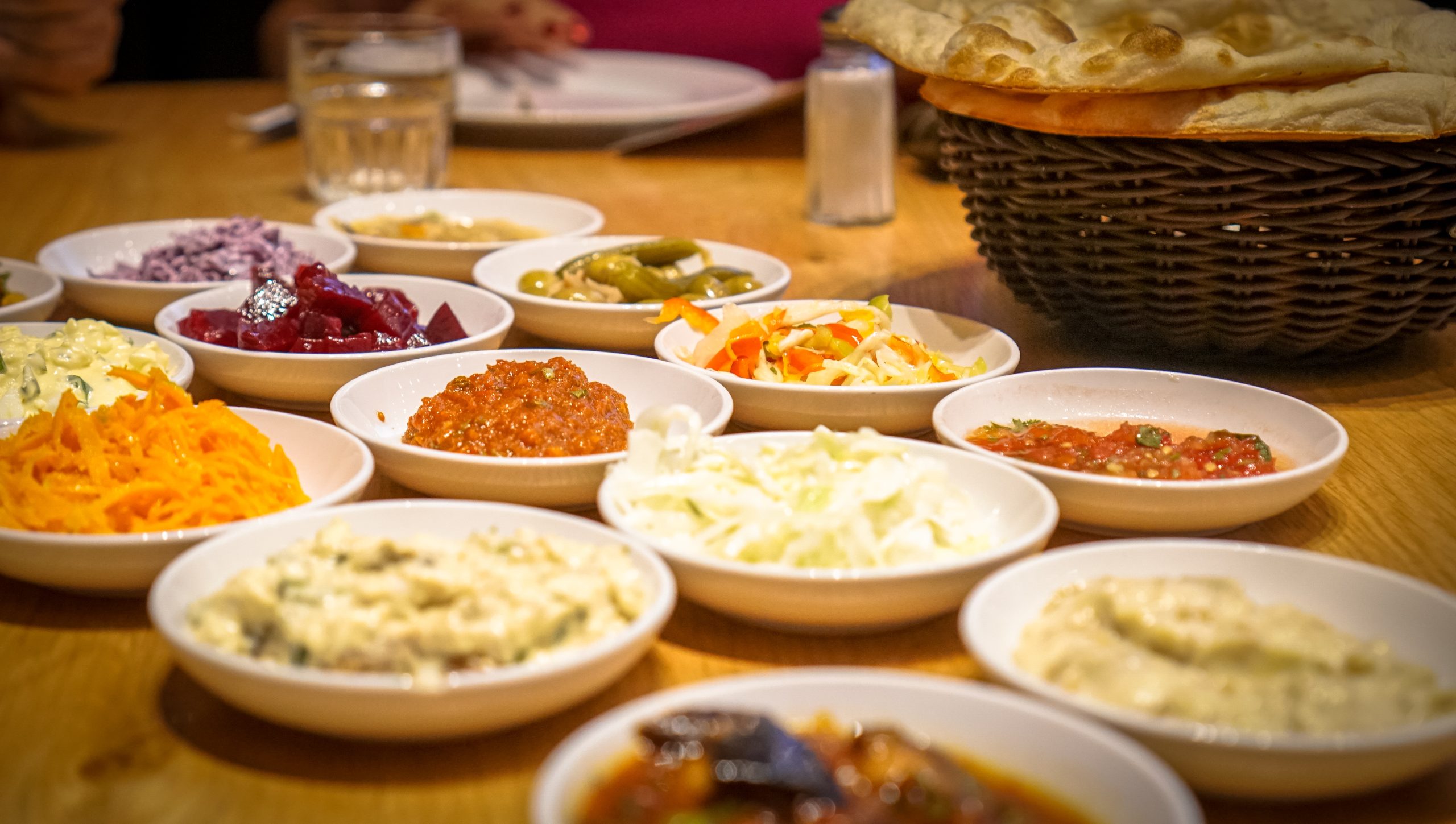
For shared plates, say which items are “for the table.” That makes the hybrid method far easier when the bill arrives.
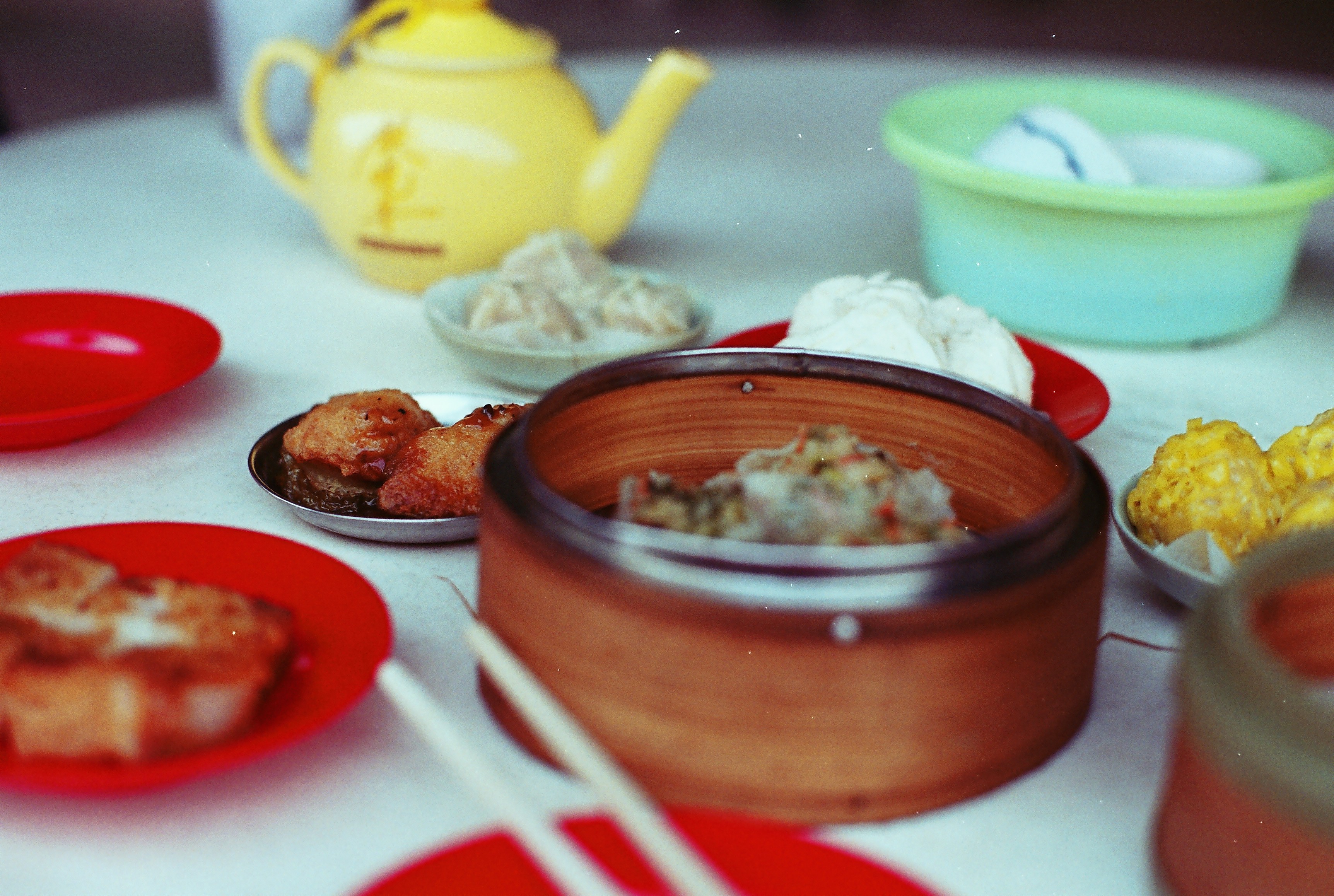
Step 4: Handle shared food and drinks fairly
Shared dishes cause most of the friction. A few rules keep it simple:
- Shared plates are split by everyone who ate them. If three of five people shared a starter, those three split it.
- Bottles are split by drinkers. Non-drinkers should not pay toward wine they did not touch.
- Ordering big to share is often the cheapest route. Generous mains split two ways can go further than individual plates, as we covered in our guide to restaurant portion sizes.
- Agree on the tip together. Calculate it on the whole bill and divide it the same way you divide the food, so no one tips more or less than their share.
Step 5: Settle up safely
Often one person pays the whole bill and the others pay them back. That is quick, but treat money transfers with care. The Federal Trade Commission’s guidance on mobile payment apps notes that once money is sent to the wrong person, it can be hard to get back. Its advice applies neatly to settling a dinner bill:
- Double-check the recipient’s details before you submit a payment.
- Protect your account with multi-factor authentication or a PIN.
- If you get an unexpected payment request from someone you know, check with them directly that it really came from them.
Pay back right away, at the table if you can. Debts that drift for weeks are what turn a nice dinner into an awkward one.
Step 6: Have a plan for the uneven nights
Sometimes the split will not feel fair no matter what you do. A few habits help:
- Rotate who pays among friends who eat together often, if your orders are usually similar.
- Offer to cover a round or dessert if you know you ordered more.
- Choose places with clear pricing, such as set menus, when budgets in the group vary a lot.
Frequently asked questions
Is it rude to ask for separate checks?
No, as long as you ask early and politely. Servers deal with it constantly. Asking at the end, after a complicated meal with shared dishes, is what causes delays.
What if someone insists on an even split but ordered much more?
Suggest the hybrid approach: split the shared items evenly and pay for personal mains and drinks individually. Framing it as “easier” rather than “fairer” keeps things friendly.
Should the person who organized the meal pay more?
Not by default. Organizing is a favor, not an obligation to pay. If someone invites the group for their own celebration and offers to pay, that is different, and it should be said clearly at the start.
Make the next group meal easier
Next time you book for a group, add one line to the invite: how you plan to split. It sets expectations before anyone sits down. For more ways to keep shared meals affordable, see our saving strategy guides.