Restaurant upselling is real, but it is less sinister and less powerful than its reputation suggests. Servers are often encouraged to suggest upgrades, sides, drinks and desserts, and menus are designed with profit in mind. Some of that design has research behind it; some popular “menu tricks” have little evidence at all. The practical answer for budget diners is simple: decide what you want before the suggestions start, treat every add-on as a separate purchase, and say no politely when it does not fit your plan.
Key takeaways
- Upselling means suggesting a pricier option or an add-on; it is a normal sales practice.
- Some menu design effects are measurable, but claims about “sweet spots” lack evidence.
- Every “would you like…” question is a separate decision with its own cost.
- Deciding your order and budget in advance is the most reliable defense.
What restaurant upselling actually means
In sales terms, upselling is inviting a customer to buy a more expensive item, an upgrade or an add-on. A close cousin is cross-selling, which suggests something extra alongside what you already ordered. “Would you like fries with that?” and “Would you like to upsize?” are textbook restaurant examples.
Many businesses train staff to make these suggestions and reward the people who do it well. That does not make every suggestion bad advice. It does mean you should hear each one as an offer, not a default.
| Myth | Fact |
|---|---|
| Every suggestion is a trick | Some suggestions are useful information about specials or portions |
| Menu “sweet spots” steer your order | There is no empirical evidence that sweet-spot placement works |
| Price formatting makes no difference | One field study found diners spent more when prices had no currency symbol |
| Add-ons are small, so they do not matter | Several small add-ons can change the total more than the main course choice |
| Saying no is rude | Declining an offer politely is a normal part of ordering |
Myth 1: Your server is always trying to trick you
Fact: Upselling can simply mean showing you options you had not considered. A server who says a main comes without sides, or that a starter is big enough to share, is giving you information that can save money. The useful habit is to separate information from persuasion. “That dish is large” helps you. “You should add the premium side” is a sales suggestion you can take or leave.
Myth 2: Menu “sweet spots” control what you order
Fact: Menu design is a real discipline. Menu engineering, sometimes called menu psychology, is the design of a menu to maximize restaurant profits, and the concept dates back to 1982. A popular idea within it is that certain positions on a menu, the “sweet spots,” get more attention. Yet, as that same overview notes, there is no empirical evidence so far that sweet spots on menus actually work.
What this means for you: do not worry about where your eye lands first. Read the whole menu, especially the sections you would normally skip, such as starters and sides, which can make a cheaper meal.
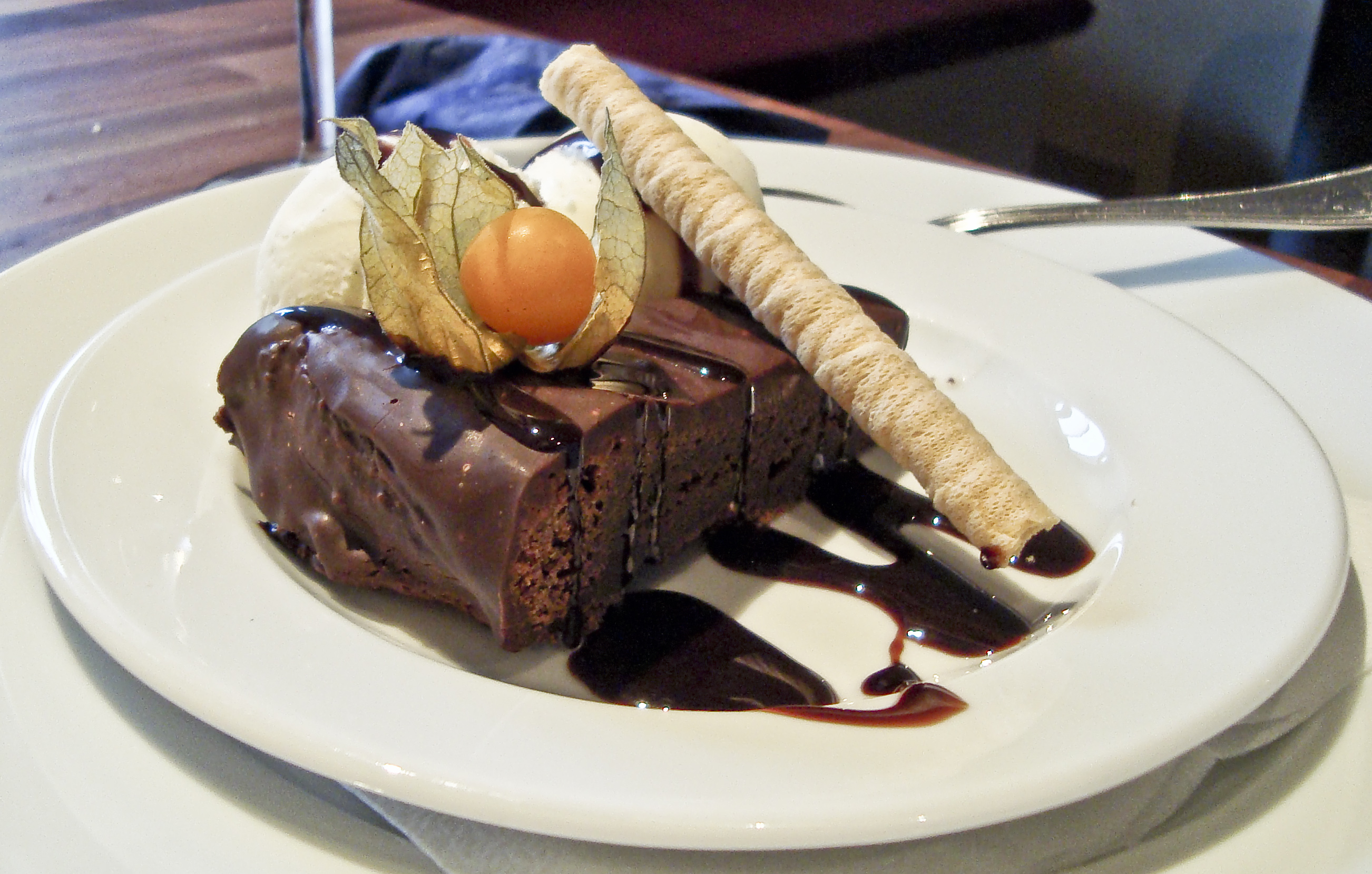
Myth 3: How prices are written makes no difference
Fact: Some formatting effects have been measured. Cornell University researchers ran a study in which 201 diners at a café were randomly given one of three menus, with prices shown as numerals with a currency symbol, numerals alone, or spelled out in words. According to the Cornell report on the study, diners spent about 8 percent more when the menu did not use dollar signs. It is a single study at one café, so treat it as a nudge, not a rule.
The defense is the same either way: set a rough spending limit before you open the menu, and you will be less influenced by how the numbers look.
Myth 4: Add-ons are too small to matter
Fact: Individual extras seem trivial, which is exactly why they work. An upgraded side, a second drink, a shared dessert and a coffee can together rival the cost of a main course. Our guide to free tap water and other things you can ask for covers a few easy swaps that keep the extras down without making the meal feel stingy.
Try this approach: order your main, then pause. Only add extras once you have seen the portion. Our breakdown of restaurant portion sizes explains why many mains need no sides at all.
Myth 5: Turning down a suggestion is rude
Fact: Servers hear “no thanks” constantly. A friendly, clear reply is fine: “Just the main for now, thanks.” If you want dessert later, you can ask then. You can also turn a suggestion into a question: “Is the side needed, or is the main enough on its own?”
Frequently asked questions
Is upselling the same as being overcharged?
No. Upselling is offering more or better items; you choose whether to accept. Being overcharged means paying more than the agreed price. If something appears on the bill that you did not order, ask for it to be corrected.
Are specials an upselling technique?
Sometimes. A daily special can be good value, especially at lunch, as we cover in our comparison of lunch specials vs dinner. If a special is read out without a price, it is fair to ask what it costs before ordering.
How can I avoid upselling when ordering for a group?
Agree on the plan before ordering, such as shared plates and tap water, and let one person answer the server’s follow-up questions. Groups tend to say yes to more extras when everyone decides on the spot.
Order on your own terms
Decide what you want and roughly what you will spend before the menu arrives, treat each suggestion as a separate choice, and pause before adding extras. For more ways to keep restaurant meals affordable, see our saving strategy guides.