Student dining on a budget comes down to three moves: use what you have already paid for, plan a simple weekly food routine, and keep eating out for the meals that matter. The easiest way to see how that works is to walk through a semester. Say you are a second-year student living off campus with a small meal plan, a shared kitchen, a part-time job and a social life you do not want to give up. Here is how each stage of the term can go, and where the money tends to slip away.
Key takeaways
- Treat a prepaid meal plan as money already spent and use it fully.
- A weekly plan and a grocery list do more for a student food budget than any single deal.
- Compare unit prices, because larger packs are often cheaper per portion.
- Save eating out for social meals, and pick cheaper times like weekday lunch.
- If food money runs short, campus and government support exists; check eligibility.
Week one: work out what you already have
Start with an honest inventory, not a shopping trip. In our scenario, the meal plan covers a set number of campus meals each week, the kitchen has a pan, a pot and a microwave, and the cupboard holds whatever a roommate left behind.
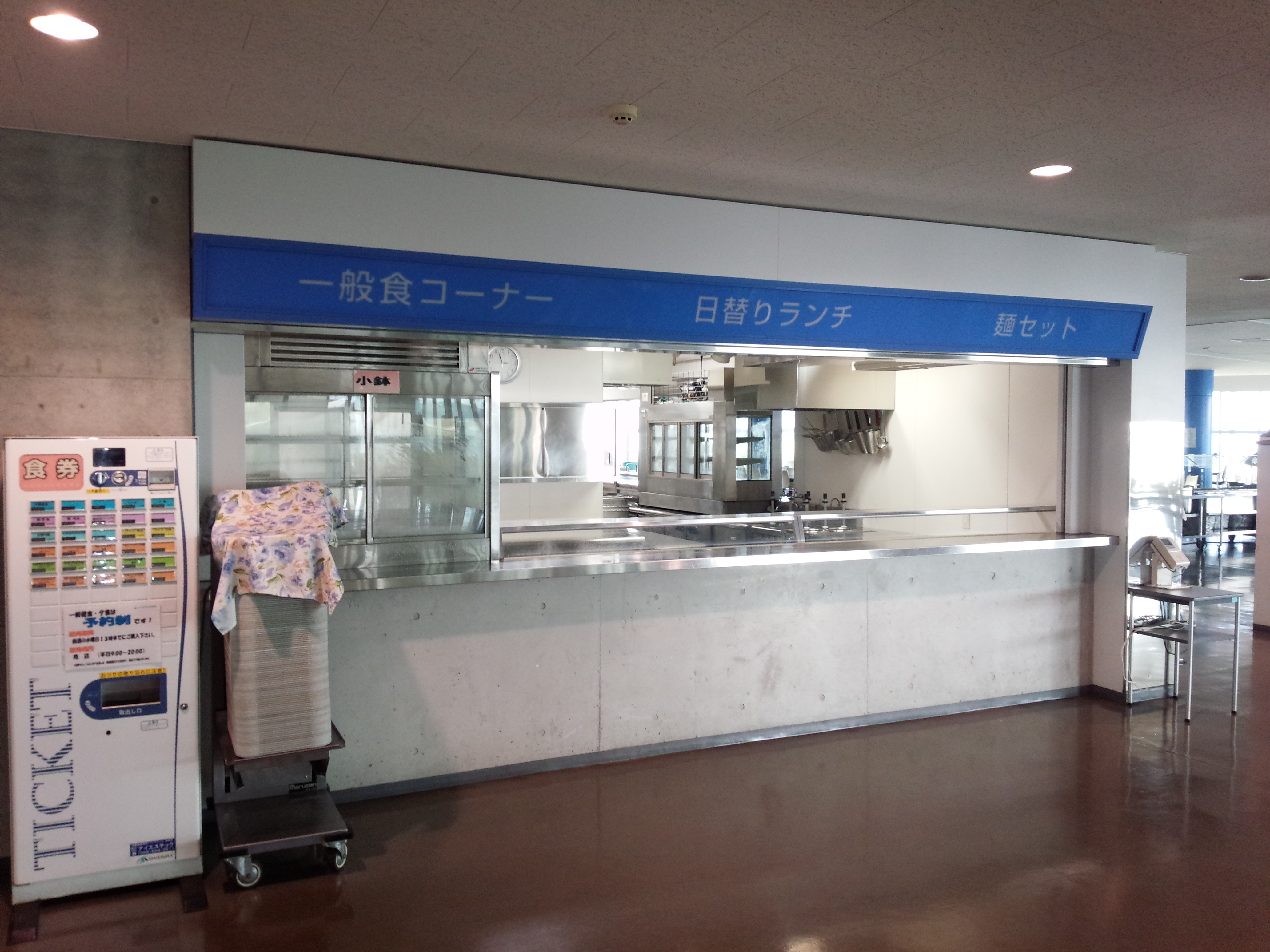
The first budget leak is usually the meal plan itself. Swipes or credits that expire unused are money lost. Before buying any food, map out which meals the plan covers best: a cooked lunch between classes is often a better use than a coffee-and-snack swipe. Note which campus outlets accept the plan and when they are open.
Then decide what your own money needs to cover. If the plan handles most lunches, your grocery budget is mainly breakfasts and evening meals.
Weeks two to four: a routine for student dining on a budget
This is where most students either set up a habit or drift into daily takeout. A University of Georgia open course on eating healthy on a student budget suggests deciding the week’s meals before writing a grocery list, organizing the list by food group, and looking for budget-friendly options in each aisle, such as in-season produce and low-cost protein foods.
In practice, a routine for our student might look like this:
| Meal | Usual source | Why |
|---|---|---|
| Breakfast | Home: oats, eggs or toast | Cheapest meal to make yourself |
| Weekday lunch | Meal plan | Already paid for |
| Dinner, three nights | Home batch cooking | One cook, several portions |
| Dinner, two nights | Leftovers or freezer portions | No extra spending |
| One or two meals a week | Out with friends | The social part of the budget |
On days when the meal plan does not cover lunch, a packed one does the job. Our weekly packed lunch planning checklist covers how to prep and keep it safe.
Midterms: shop smarter, not just less
By mid-semester the budget is usually tight. The same UGA course points out that comparing unit prices is one of the most effective methods for a student food budget: the larger package can turn out cheaper per unit even when its shelf price looks higher.
Two caveats for students. A bulk pack is only a saving if you finish it before it spoils, so split perishables with roommates or freeze portions. And a shared kitchen works better with a simple rule, such as each person labeling their food and one shared shelf for staples everyone chips in for.
Look at your eating-out pattern too. Late-night delivery during exam weeks is a common leak. Moving one of those orders to a planned, cheaper meal, such as a weekday set menu (see our comparison of lunch specials vs dinner), keeps the treat without the premium.
Social meals: keep them, plan them
Cutting out every meal with friends rarely lasts. A better approach for our student is to budget one or two social meals a week and make them count:
- Suggest places with clear, low pricing, like counter-service spots or set lunches.
- Agree how to split the bill fairly before ordering.
- Eat a small snack before a late outing so you do not over-order out of hunger.
- Offer potluck dinners at home as an alternative some weeks.
When money runs short: know where support is
Sometimes a food budget simply does not stretch. Many campuses run food pantries or emergency support, and your student services office can point you to them.
Government food assistance has specific student rules. According to the USDA’s guidance on SNAP eligibility for students, students enrolled at least half-time in higher education generally qualify only if they meet an exemption, such as working at least 20 hours a week in paid employment, taking part in a state or federally financed work-study program, or caring for a young child. The page also notes that students who receive most of their meals through a meal plan are not eligible. Rules change, so read the current guidance and contact your local SNAP office if you are unsure.
Frequently asked questions
Is a campus meal plan worth it?
It depends on how many of its meals you will actually eat. If you regularly use most of them, a plan can be a convenient, predictable cost. If swipes expire unused, a smaller plan plus cooking may suit you better. Check your school’s options and refund rules before choosing.
What are the cheapest meals to cook as a student?
Meals built around staples such as rice, pasta, oats, eggs, beans and frozen vegetables tend to be the most economical. Cook a batch, portion it and freeze some so you have a fallback on busy nights.
How can I eat out with friends without overspending?
Pick one or two planned meals a week, favor cheaper times like lunch, and agree on how you will split the bill before anyone orders. Eating out is easier to afford when it is a choice rather than a default.
Set up your semester food plan this week
Check what your meal plan covers, write one week of meals and a grocery list, and choose your social meals in advance. That is the whole system. For more low-cost ideas, browse our cheap eats guides.