Buffet value comes from eating what you enjoy most, at a time when the food is fresh, without paying for extras you did not need. Check the rules and what is included before you sit down, go when the food is turning over quickly, scan the whole spread before taking a plate, and start with the dishes that would cost the most to order elsewhere. Eating until you feel unwell is not value. Neither is filling up on bread and fries in the first ten minutes. A little planning turns a fixed-price buffet into one of the better deals in eating out.
Key takeaways
- Read the posted rules and check what is included before you pay.
- Go when the buffet is busy so dishes are replaced often.
- Walk the whole line first, then take small portions of what you want most.
- Hot food should be kept hot and cold food cold; skip anything that is not.
- Waste fees exist at some buffets, so take only what you will eat.
Step 1: Match the buffet format to the buffet value you want
“Buffet” covers several formats, and the value works differently in each. The Wikipedia overview of the buffet describes the main ones:
| Format | How you pay | Where the value is |
|---|---|---|
| All-you-can-eat | One fixed charge | Choosing dishes you rarely get elsewhere |
| Pay by weight | By the weight of your plate | Light, varied plates of what you want |
| Fixed-portion counter | Per dish selected | Choosing only what you need |
| Staffed stations | Usually a fixed charge | Made-to-order dishes such as omelettes or noodles |
| Single pass | One trip only | Planning the plate carefully |
The same overview notes that most buffets let diners take small samples first and go back for more, but some are single pass only, and that rules and charges are often posted on signs near the serving tables. Read them before you start.
Next, check what the price includes. Drinks, desserts and staffed stations are not always part of the base price. Ask before you sit down. Some places also price lunch and dinner differently, much like the gap we covered in our comparison of lunch specials vs dinner. If the lunch spread is nearly the same as dinner, lunch is the better buffet value.
Step 2: Time your visit
A busy buffet is usually a fresher buffet, because dishes are emptied and replaced often. Arriving at the start of a service or during the main rush gives you the widest choice. Arriving near closing can mean half-empty trays that have sat out longer.
That is also why buffet timing differs from the logic of early-bird specials. With an early-bird deal, quiet hours are where the discount is. With a buffet, a quiet room can mean food that has been waiting.
Step 3: Walk the line before you pick up a plate
Take one lap without a plate. Note the dishes that look freshest, the ones you would rarely cook at home, and anything made to order. Then plan your first plate around your top three or four picks.
This step does more for buffet value than any other. Without it, the first plate fills up with whatever comes first, which is often bread, rice, pasta and fried sides.
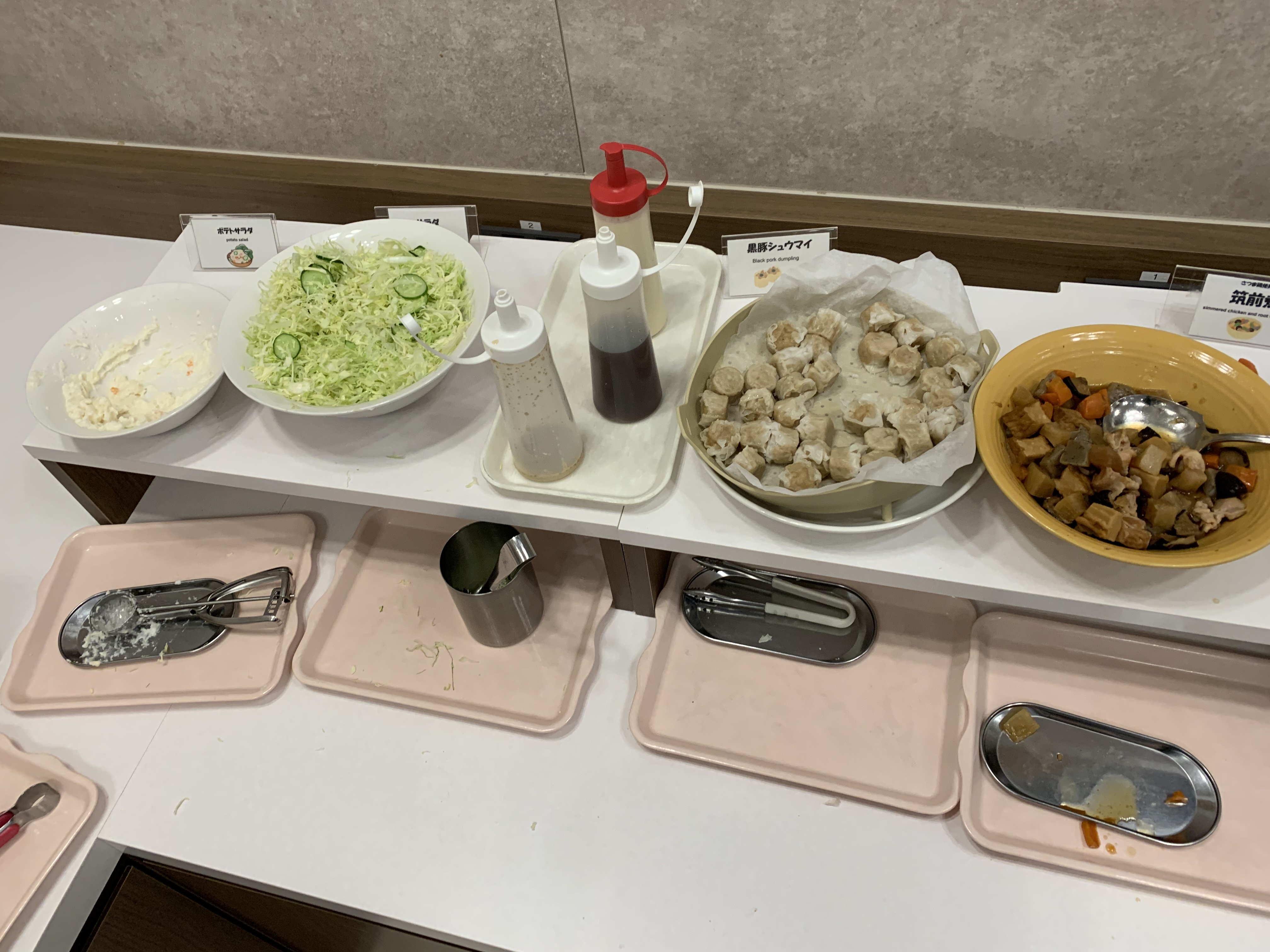
Step 4: Check the food is being held safely
The FDA’s guidance on serving up safe buffets is written for entertaining at home, but the temperature rules are the same ones to watch for when you eat out. Hot foods should be kept at an internal temperature of 140 °F or warmer, cold foods at 40 °F or colder, and perishables should not sit at room temperature for more than two hours, or one hour above 90 °F, unless they are kept hot or cold. The FDA also advises replacing nearly empty serving dishes with fresh ones rather than adding new food to old.
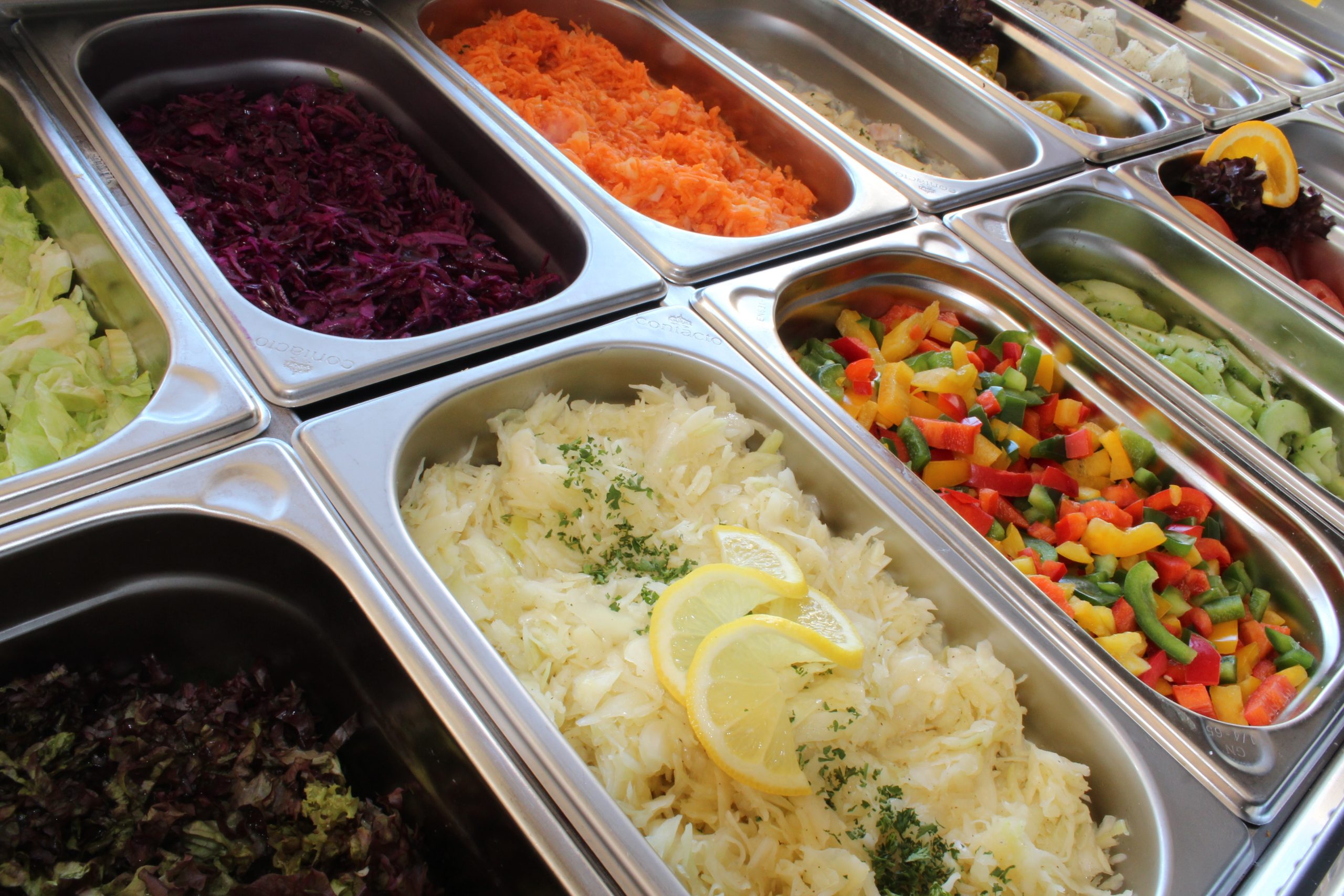
At a restaurant, you cannot measure temperatures, but you can look. Hot dishes should be steaming in heated trays, cold dishes should sit over ice or in chilled units, and serving utensils should be in place. If a dish looks dried out, lukewarm or picked over, skip it.
Step 5: Pace your plates
Small plates and several trips beat one huge pile. You taste more dishes, stop when you are full, and waste less. Some buffets also charge diners who take large amounts and leave it uneaten, according to the same Wikipedia overview, so piling up a plate you cannot finish can cost you directly.
Our explainer on restaurant portion sizes makes the same point about value: cost divided by food you actually enjoy is what counts.
If you hope to take food home, ask before boxing anything, because take-away rules vary and a pay-by-weight counter may suit you better. Refrigerate anything you do take within two hours.
Frequently asked questions
Is a buffet cheaper than ordering from a menu?
It can be if you eat a varied meal of dishes you value, especially at lunch. For light eaters, a single menu dish or a pay-by-weight counter is often cheaper.
What is the best time to go to a buffet?
Go at the start of a service or during the busiest part of it, when dishes are replaced often. Late in the service, choice narrows and food may have been held longer.
How can I tell if buffet food is safe?
Hot dishes should be steaming and kept in heated trays, cold dishes chilled or on ice, and trays replaced rather than topped up. Skip anything that looks lukewarm, dried out or uncovered for a long time.
Make your next buffet worth it
Check the rules and price, go when it is busy, walk the line first and take small plates of what you value most. For more ways to eat well for less, browse our cheap eats guides.