A frugal social life means keeping the friendships and shared time you value while changing where, when and how you spend money on them. It is not about saying no to every invitation. It is about swapping some costly defaults, like dinner and drinks every Friday, for plans that cost little or nothing, and saving your restaurant budget for the meals that really matter to you. Done well, most friends barely notice the change, and some will be glad of it. Here is how the idea works, and answers to the questions people usually have.
Key takeaways
- Keep the people; change the format of some plans.
- Hosting, potlucks and outdoor plans cost far less than a restaurant evening.
- Many public spaces, such as most National Park Service sites, are free to visit.
- Decide on your big nights out in advance and fund them on purpose.
- Be open about budgets; it often helps friends too.
What a frugal social life actually means
Think of your social spending in two buckets. The first is time with people: conversation, shared meals, games, walks, celebrations. The second is the setting you pay for: restaurants, bars, tickets, transport. A frugal social life protects the first bucket and trims the second.
That framing matters because social plans often default to the most expensive setting by habit. A catch-up with a friend does not need a restaurant table. A birthday does not need a tasting menu. When you separate the people from the price tag, plenty of cheaper options appear.
Cheaper formats that still feel like an occasion
| Usual plan | Lower-cost alternative | Why it works |
|---|---|---|
| Dinner out | Potluck at someone’s home | Everyone brings one dish; the host does less |
| Drinks at a bar | Evening walk, then tea or coffee at home | Same conversation, lower cost |
| Weekend brunch | Picnic in a park | Homemade food, free venue |
| Paid entertainment | Free outdoor spaces, public events, park game tables | Activity without an entry fee |
| Big group dinner | Weekday lunch set menu | Same restaurant, lower price point |
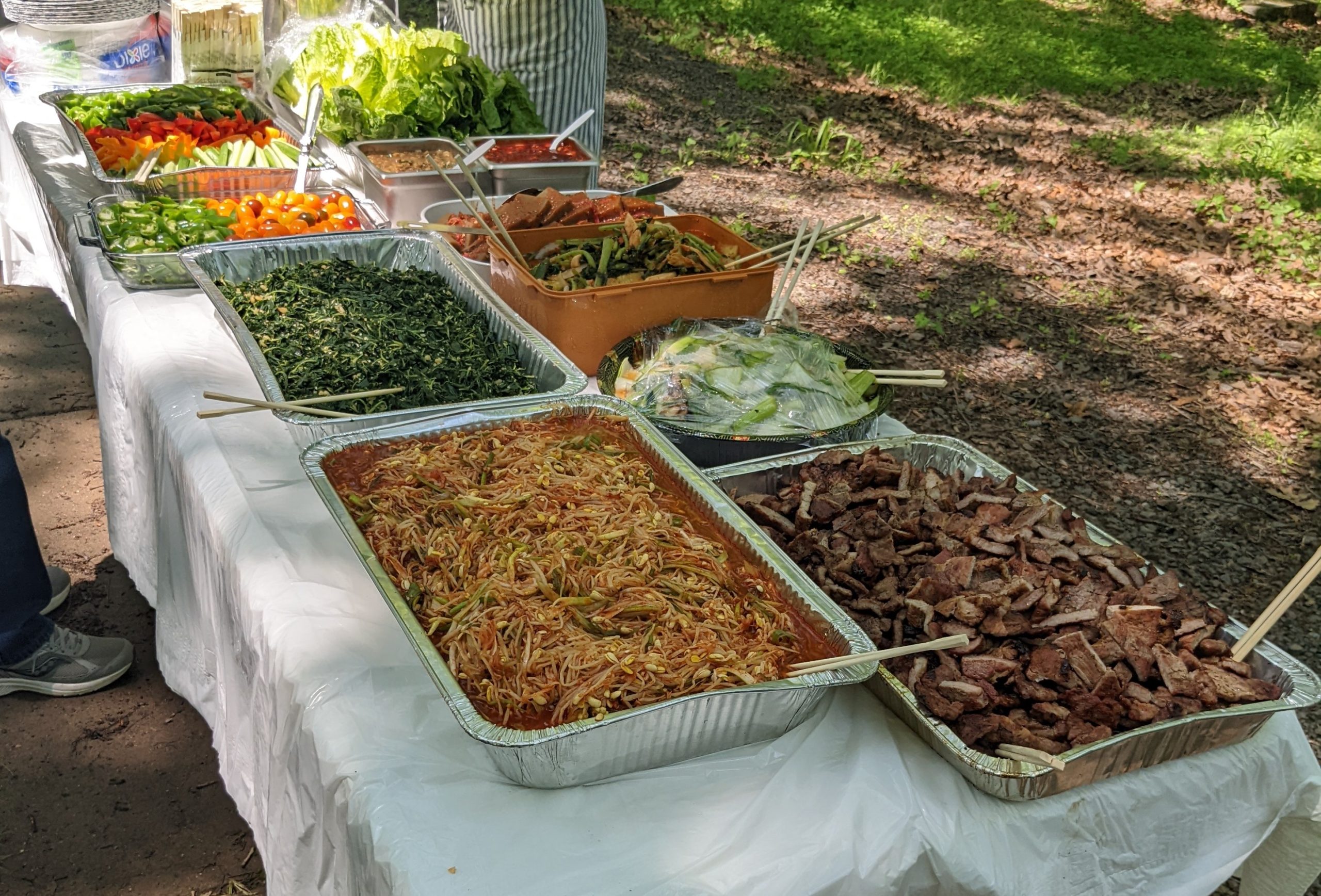
Potlucks are one of the oldest versions of this idea. The Wikipedia overview of the potluck describes events where each guest brings a dish to share, organized by communities, groups or individuals at home, and notes that the format goes by many names, including covered dish supper, bring-a-plate and shared lunch. The point is the same everywhere: the meal is shared, so the cost is too.
Outdoor plans help as well. The National Park Service notes on its entrance passes page that most of the sites it manages are free to visit, though some require an entrance pass. Local parks, beaches and trails are often free too. Our guide to planning a budget picnic covers the food side.

How to keep eating out without overspending
A frugal social life still has room for restaurants. The trick is to choose those meals deliberately:
- Pick fewer, better meals out. One planned dinner a month you look forward to beats four you hardly remember.
- Use cheaper times. Set lunches and seasonal events like restaurant week let you enjoy a nicer place at a known price.
- Agree the split early. Our guide to splitting the bill shows how to raise it before anyone orders.
- Offer to host instead. Cooking for friends now and then often costs less than one person’s share of a restaurant bill.
Setting a social budget you can keep
A frugal social life is easier with a number in mind. Look back at the last month and add up what you spent on meals out, drinks, tickets and transport for social plans. Then decide how much of that you actually want to keep, and where.
A simple structure works for most people:
- Fixed treats. One or two planned meals out or events each month that you fully fund in advance.
- Low-cost regulars. Weekly habits that cost little, such as a walk with a friend, a shared cooking night or a game evening at home.
- A small buffer. A modest amount for last-minute invitations you really do not want to miss.
When an invitation arrives, check which bucket it fits. If it fits none, suggest a cheaper version. This takes the guilt out of saying no, because the decision was made earlier, calmly, with your priorities in mind.
Talking to friends about money
The hardest part is often the conversation. It helps to be direct and positive rather than apologetic: “I’m saving this year, so I’m doing more cooking at home. Want to come over Thursday?” That turns a refusal into an invitation.
Some tips:
- Suggest an alternative every time you decline something.
- Do not assume others can afford the expensive plan; often someone in the group is quietly relieved when a cheaper option appears.
- Rotate who chooses the plan, so cheaper ideas get a turn.
- Be consistent. Friends adapt quickly when your habits are clear.
Frequently asked questions
Will friends think I am being cheap?
Most people respond well to clear, friendly honesty, especially when it comes with an alternative plan. Turning “I can’t afford that” into “Let’s do this instead” keeps the focus on spending time together.
How do I handle celebrations and special occasions?
Plan for them. Put birthdays, weddings and holidays into your eating-out budget at the start of the year or month, so you can say yes to the important ones without guilt and say no more easily to everyday spending.
Is a frugal social life only for people in financial trouble?
No. Plenty of people choose it to save for a goal, to free up money for travel or bigger experiences, or simply because they prefer relaxed evenings at home. It is a set of habits, not a sign of hardship.
Try one cheaper plan this month
Swap one restaurant evening for a potluck, a picnic or a park outing, and put the money you save toward a meal out you will really enjoy. For more everyday money habits, see our lifestyle guides.