Finding cheap eats abroad comes down to eating where and when locals do: make lunch your main meal, look for set menus and daily specials, shop and eat at markets, and walk a few streets away from the big sights. Add safe, cheap drinks and a bit of planning for breakfast, and you can cut your food spending on a trip a long way without living on snacks. Here is a step-by-step approach that works in most countries.
Key takeaways
- Make lunch your main meal; many countries offer set lunches that are far better value than dinner.
- Walk away from the main squares and look for places full of locals.
- Markets, food halls and bakeries are cheap, quick and often excellent.
- Keep food safety rules in mind, especially for water, ice and raw food.
Step 1: Make lunch the main event
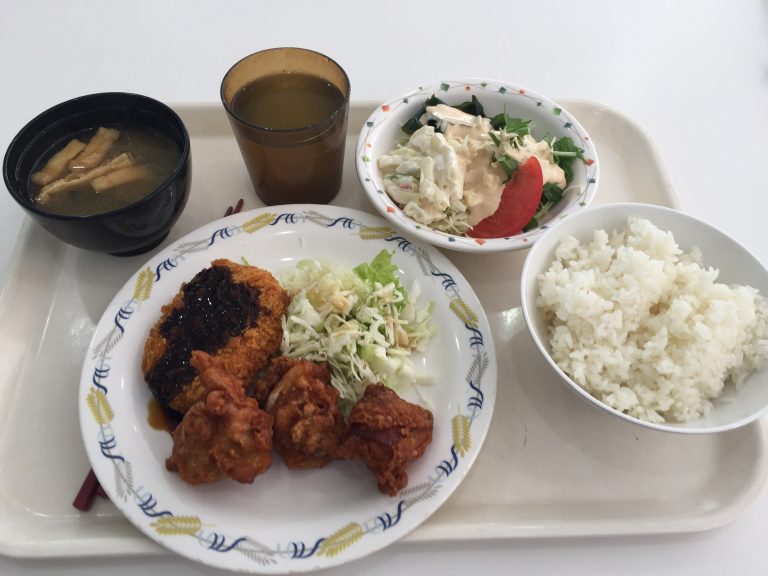
In many countries, the midday meal is the big one, and restaurants price it accordingly. Spain is the classic example. Its menú del día is a set weekday lunch, typically three courses, with a mostly vegetable-based first course, a meat or fish main and a dessert, and dishes that change with local produce and the seasons. Many other places have their own version: a daily special, a fixed lunch plate, a thali or a combo.
- Ask at your accommodation what the local set lunch is called.
- Look for chalkboards or printed sheets near the door, often listing two or three choices per course.
- Arrive early in the lunch window, before popular dishes run out.
- Keep dinner light: a bakery item, a market snack or something from a grocery store.
Step 2: Walk a few streets from the sights
Restaurants on the busiest squares pay for their location and know most customers will not return. A few blocks away, the rent and the audience change. Signs to look for:
- Menus only in the local language, or a short handwritten list.
- Tables of workers at lunchtime, especially near offices, markets or hospitals.
- A small menu that changes daily, which usually means fresh, quick turnover.
- No staff outside trying to bring you in.
Maps and review apps are useful for finding these streets, but treat star ratings with care in tourist zones, where they may mostly reflect visitors’ tastes. A better test is simply to stand outside at noon and watch who goes in. If the room fills with people on their lunch break, you have probably found a good spot.
Step 3: Find cheap eats abroad at markets and bakeries
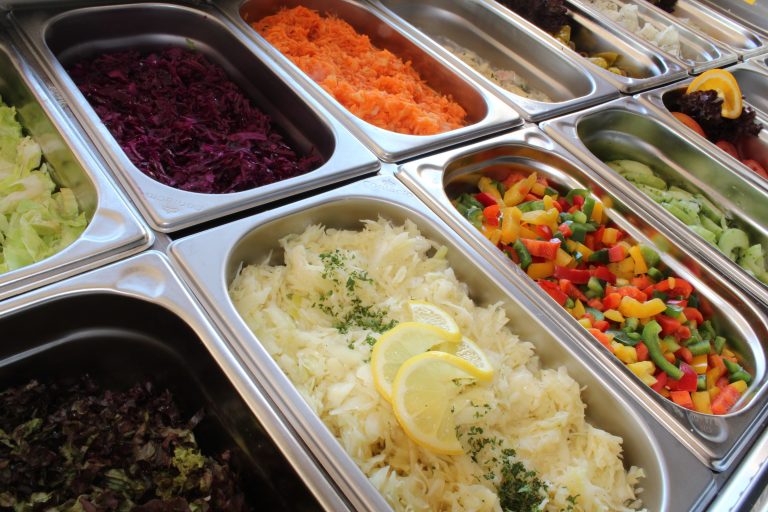
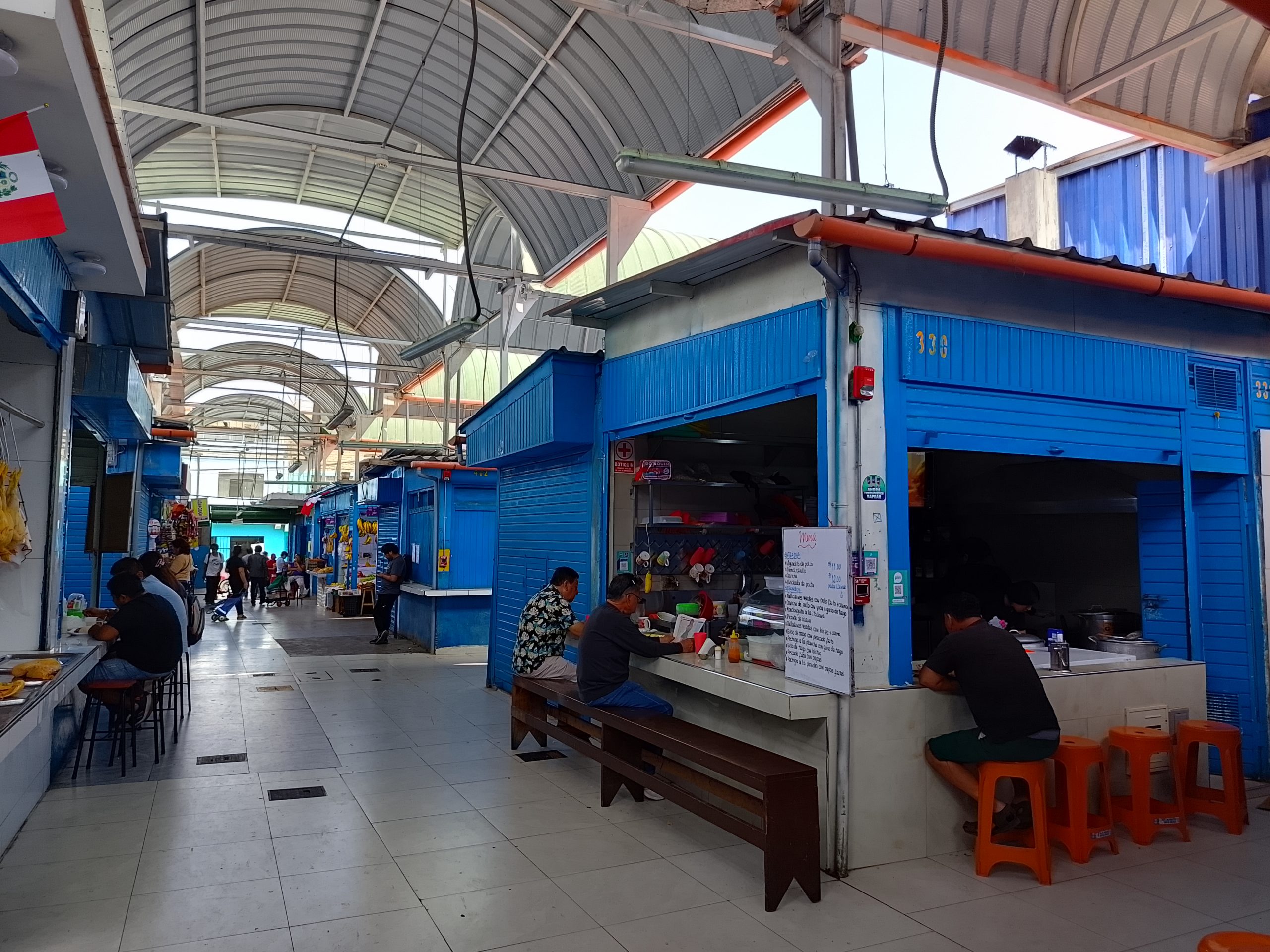
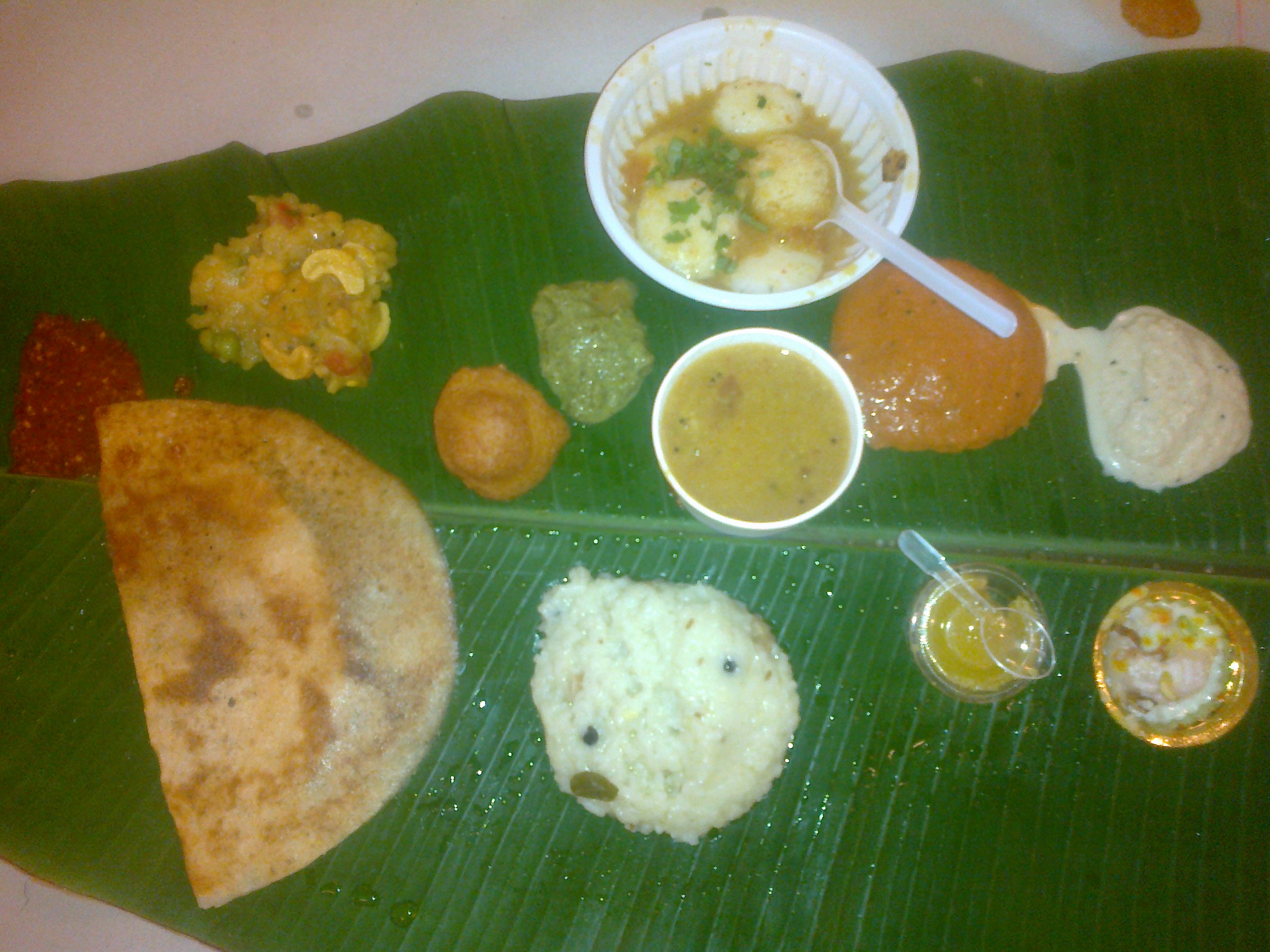
Covered markets and food halls tend to group many small vendors together, which keeps prices competitive. You can eat at a counter, buy picnic ingredients, or both. Bakeries are another reliable cheap breakfast or lunch, and grocery stores can supply fruit, bread, cheese and drinks for a picnic in a park.
If you are in a place where street food is part of daily life, it can be some of the best food you eat. Run through our street food safety checklist first: hot, freshly cooked food from a busy stall is the safest choice.
Step 4: Keep drinks and water costs down
Drinks add up fast on a trip. Where the tap water is safe, carry a refillable bottle. Where it is not, the CDC’s food and water precautions for travelers recommend factory-sealed bottled water, and advise avoiding ice unless you are reasonably certain it was made with safe water. Hot tea and coffee made with just-boiled water are generally safe too.
Buying large bottles from a grocery store, rather than single bottles at cafés, is a simple saving.
Step 5: Plan where cooking beats eating out
If your accommodation has a kitchen, use it for breakfasts and the occasional dinner. Local supermarkets are an experience in themselves, and a simple pasta or rice dish with local produce can be a highlight. Our comparison of cooking vs eating out shows why routine meals are where home cooking saves the most.
| Meal | Cheapest typical option | Notes |
|---|---|---|
| Breakfast | Bakery or self-catered | Paid hotel breakfasts can be poor value |
| Lunch | Set menu or daily special | Best time for a sit-down meal |
| Afternoon snack | Market or street food | Choose busy, hot-cooked stalls |
| Dinner | Light meal, picnic or kitchen | Save the big dinner for one special night |
Set a daily food budget
Decide a daily food allowance before you go, then track it in a notes app. Treat one or two big meals as planned splurges rather than accidents. The same principles from setting an eating out budget at home apply: track, set a limit, review and adjust.
Frequently asked questions
Is it safe to eat at markets abroad?
Usually, if you follow sensible precautions. Choose busy vendors, hot freshly cooked food, and sealed or boiled drinks. Avoid raw salads and unpeeled fruit where hygiene is uncertain, as the CDC advises.
How do I find set lunch menus?
Look for boards outside restaurants around midday, ask your host, or learn the local term before you arrive. Set lunches are usually available on weekdays and may not be offered on weekends or in the evening.
Should I tip when eating cheaply abroad?
Tipping customs vary widely between countries. Check official tourism guidance for your destination before you travel so you neither over-tip nor cause offense.
Eat like a local on your next trip
Before you travel, learn the local word for a set lunch, mark a covered market or two on your map and pack a refillable bottle. With those three steps, cheap eats abroad become part of the fun rather than a compromise. Find more ideas in our cheap eats section.