The SNAP Restaurant Meals Program lets certain SNAP households use their EBT card to buy hot, prepared meals at approved restaurants. Normally, SNAP benefits cannot be spent on hot food. The Restaurant Meals Program is an exception for people who may not be able to store or cook food at home: households where everyone is aged 60 or over, has a qualifying disability or is experiencing homelessness, and in many cases their spouses. It only operates in states and areas that have chosen to run it, so availability depends on where you live. This explainer covers how it works and how to find out whether you can use it.
Key takeaways
- The program lets eligible SNAP households buy prepared meals at participating restaurants with an EBT card.
- Eligibility generally covers older adults, people with disabilities and people experiencing homelessness, plus spouses in some cases.
- Not every state or county runs the program, and only approved restaurants take part.
- Your state SNAP agency is the place to confirm eligibility and find participating restaurants.
What the restaurant meals program does
SNAP is designed mainly for groceries. The Restaurant Meals Program, often shortened to RMP, adds an option for people who face real barriers to cooking: no kitchen, no safe place to store food, or health conditions that make cooking difficult. Instead of only buying ingredients, they can use their benefits for a meal that is ready to eat.
Maryland’s Department of Human Services describes its Restaurant Meals Program as letting SNAP recipients who are experiencing homelessness, aged 60 or older, or disabled use their EBT cards to buy prepared or hot food at participating restaurants and delis, with spouses also qualifying under certain conditions. It advises checking your EBT balance first and keeping your receipt.
Who is usually eligible
Rules are set state by state, but the groups are broadly similar:
| Group | What it usually means |
|---|---|
| Older adults | Everyone in the SNAP household is aged 60 or over |
| People with disabilities | Household members receive qualifying disability benefits |
| People experiencing homelessness | No fixed, regular place to stay |
| Spouses | A spouse of an eligible person, under conditions set by the state |
In Virginia, the state social services department explains that its Restaurant Meals Program is for SNAP recipients who are elderly, living with a disability or without housing, with spouses included. Maryland notes that eligibility is reviewed whenever your SNAP case is renewed, so it can change.
How to use it at a restaurant
- Confirm you are eligible. Ask your caseworker or state SNAP agency whether your household qualifies.
- Find a participating restaurant. Maryland publishes a county-by-county list, and Virginia tells diners to look for the program’s logo when eating out.
- Check your balance. Make sure your EBT card has enough benefits before you order.
- Pay with your EBT card. Order as usual and pay with the card at the counter or table.
- Keep the receipt. It helps you track what you have spent.
Choosing meals that work for you
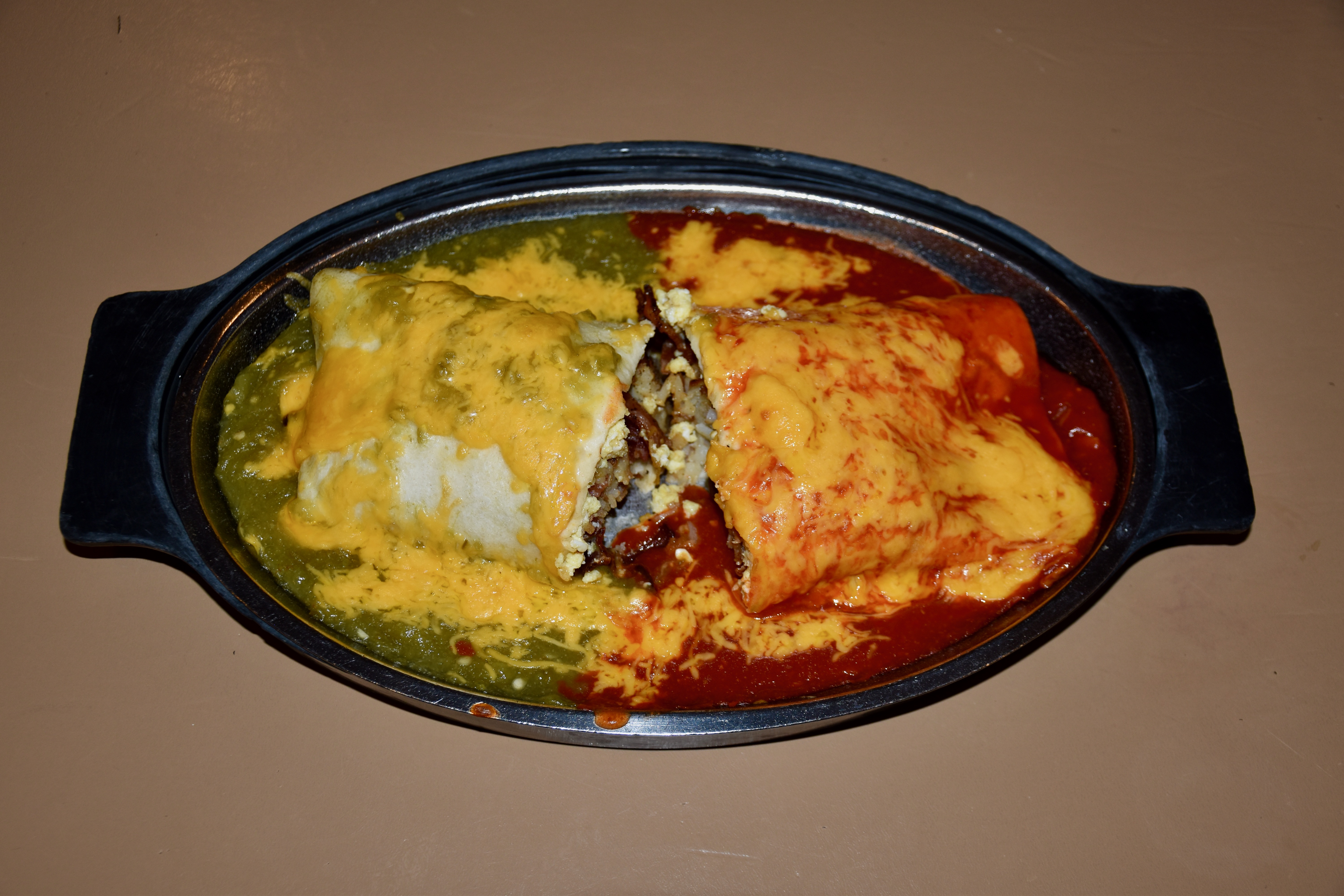
Participating restaurants range from diners and delis to fast-casual counters, so the menu choice is wide. A few practical habits help the benefit go further and keep meals balanced:
- Pick dishes with protein and vegetables. A plate with eggs, beans, chicken or fish plus a vegetable side keeps you full longer than a pastry or fries alone.
- Look for leftovers potential. Larger portions can become a second meal if you have somewhere to keep food cool; if you do not, choose a size you can finish.
- Ask about daily specials. Many diners and delis have a set breakfast or lunch plate that costs less than ordering items separately.
- Skip extras you do not need. Drinks and add-ons use up benefits quickly.
If you have health conditions that affect what you can eat, ask staff how dishes are made, and follow any advice from your own doctor or dietitian.
Making SNAP-funded meals stretch
Prepared meals cost more than cooking from groceries, so it helps to use the program where it makes the biggest difference: on days when cooking is not possible, or for one main meal rather than every snack. Breakfast and lunch menus often give more food for the money than dinner, as our comparison of lunch specials and dinner explains. Setting a weekly plan for how much of your benefit goes to restaurant meals, as in our guide to setting an eating-out budget, keeps money in reserve for groceries.
Frequently asked questions
Can anyone on SNAP use the restaurant meals program?
No. It is limited to the eligible groups above and to states or areas that run the program. Your state SNAP agency can confirm whether it applies to you.
Do I need to apply separately?
This varies by state. In some states eligible households are identified through their existing SNAP case; others may ask you to contact your caseworker. Check with your state agency.
Can I use the program at any restaurant?
Only at restaurants that have been approved to take part. Look for signs or the state’s published list, and ask staff if you are unsure before you order.
Next steps
If you think your household may qualify, contact your state SNAP agency, ask whether the program runs in your county and request the list of participating restaurants. Then use it where it helps most, alongside your grocery budget. For more ways to make food money go further, browse our saving strategy guides.