Packed lunch planning works when you treat it as a short weekly routine rather than a daily scramble. Spend twenty minutes on the weekend deciding what you will eat, shop once, prep a few building blocks, and pack each bag the morning you leave. Do that, and bringing lunch becomes the easy option instead of the virtuous one you abandon by Wednesday. The checklist below breaks the week into stages, with food safety built in, so the money you save on weekday lunches can go toward meals out you actually care about.
Key takeaways
- Plan lunches as part of the week’s whole menu, not as a separate job.
- Cook a few base ingredients once and mix them into different lunches.
- Keep perishable food cold with at least two cold sources in an insulated bag.
- Set a deliberate “lunch out” day so buying lunch becomes a choice, not a habit.
Why packed lunch planning beats good intentions
Most people who give up on bringing lunch do not quit because the food was bad. They quit because the morning they forgot to plan, buying lunch was the only option. A checklist moves the decisions to a calmer moment.
It also helps your wider budget. If you have already set an eating-out budget that sticks, weekday lunches are often the line that quietly blows it. Small purchases repeated five days a week add up faster than one restaurant dinner, and they rarely feel like a treat.
Weekend checklist: decide and shop
Run through these before the week starts:
- Look at your calendar. Note days with early meetings, travel or a work lunch, so you only plan the lunches you will eat.
- Check the fridge and freezer first. Leftovers and half-used ingredients are the cheapest lunches you own.
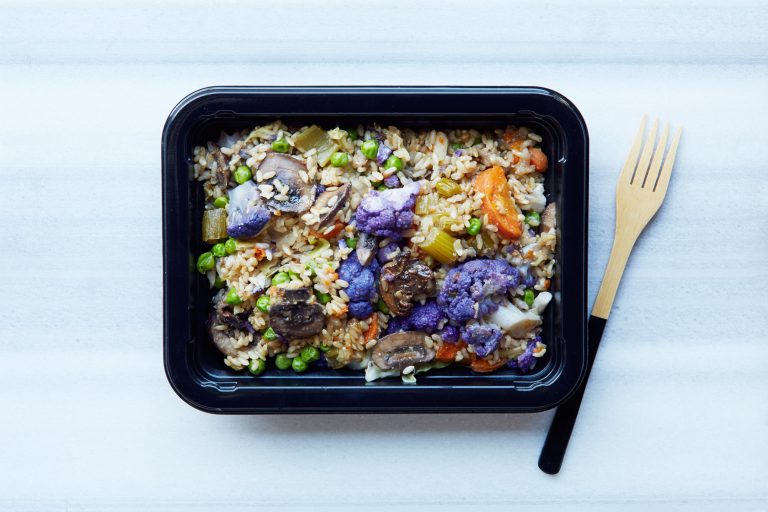
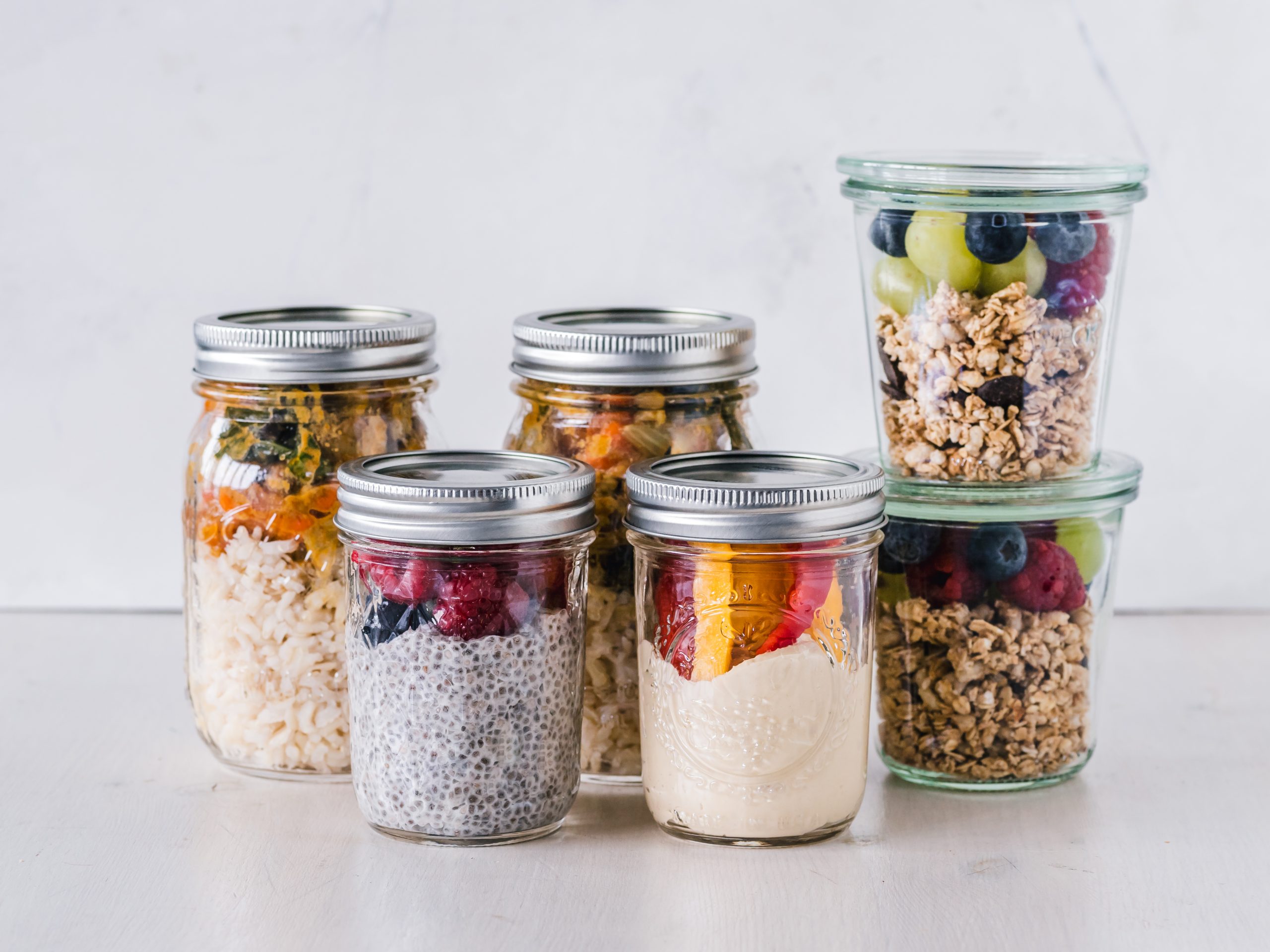
- Pick two or three lunch “templates” for the week, such as a grain bowl, a wrap and a soup.
- Add lunch to the household meal plan, then write one shopping list covering dinners and lunches together.
- Buy snacks such as carrots, popcorn or trail mix in larger packs and portion them yourself.
- Choose one day as your planned lunch out.
That last item matters. The University of Arkansas Cooperative Extension Service suggests setting a “lunch out” limit, perhaps eating out once a week, so it becomes a treat rather than a routine expense. The same extension article recommends cooking staples like rice, pasta, roasted vegetables and proteins in bulk and mixing them across the week.
Prep-day checklist: cook once, eat five ways
A short prep session does most of the work:
- Cook one grain or starch (rice, pasta, potatoes) in a batch big enough for several lunches.
- Roast a tray of mixed vegetables.
- Prepare one protein: beans, lentils, eggs, chicken or tofu.
- Wash and cut raw vegetables so they are ready to grab.
- Make one sauce or dressing to change the flavor of the same base ingredients.
- Chill cooked food fully in the refrigerator before it goes into lunch containers.
Going plant-based a few days a week is another of the Arkansas extension’s tips, because meat tends to be one of the more expensive grocery items. Beans and lentils also hold up well over several days.
Daily checklist: pack it safely
Food safety is where packed lunches can go wrong, so treat this part as non-negotiable. Purdue Extension, drawing on USDA guidance, explains that bacteria multiply rapidly between 40 and 140 °F and that perishable food should not sit at room temperature for more than two hours, or one hour above 90 °F. Its advice on keeping bagged lunches safe translates into a short morning routine:
- Prepare food the night before if it helps, but pack the bag just before leaving home.
- Use an insulated, soft-sided bag for anything perishable.
- Include at least two cold sources, such as two frozen gel packs, or one gel pack plus a frozen bottle of water. Put them above and below the food.
- Pack only the perishable food you will eat at lunch, so there are no leftovers sitting in the bag all afternoon.
- Store the bag in a refrigerator at work if one is available.
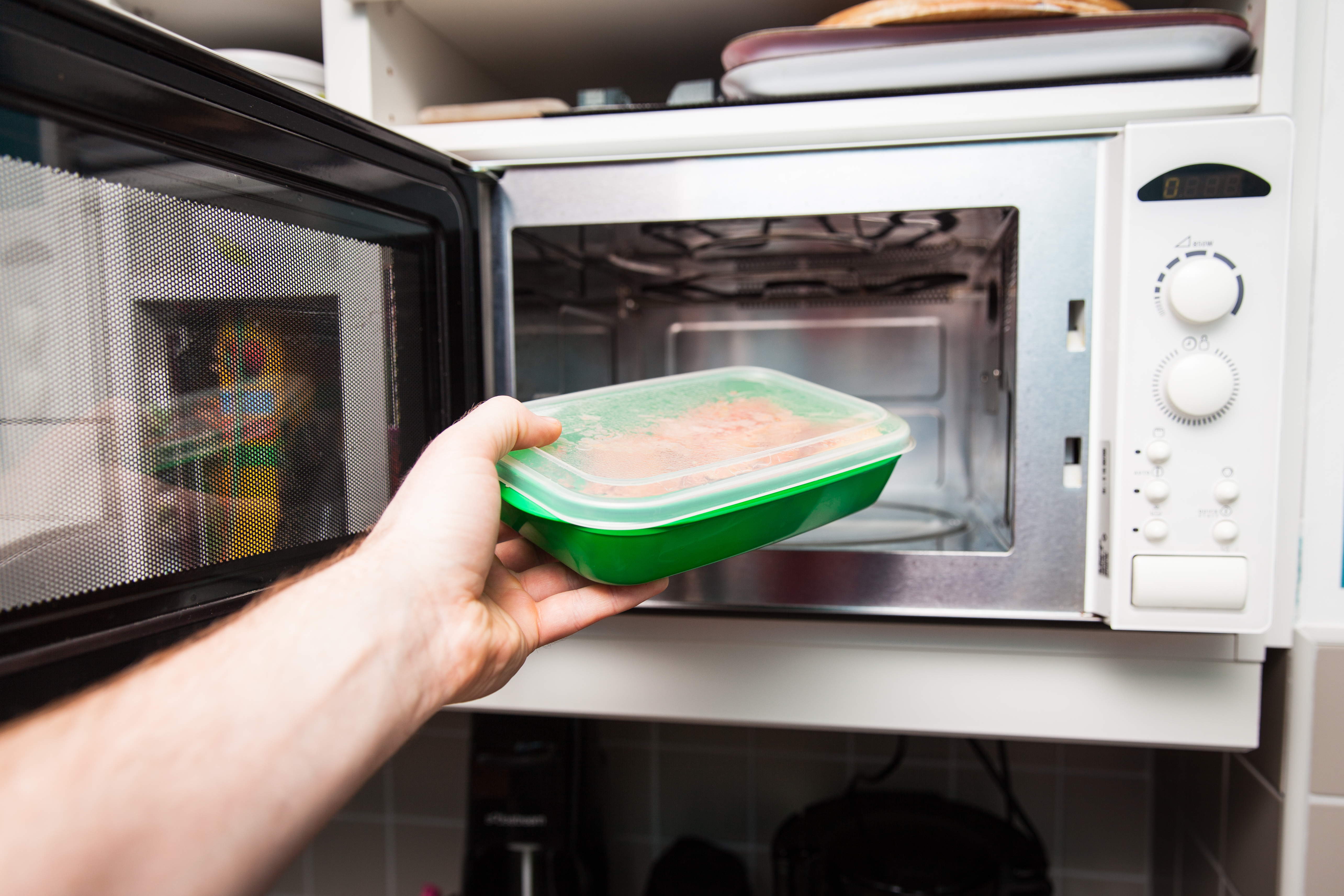
- For hot food, preheat an insulated container with boiling water for a few minutes, empty it, then add the hot food and keep the lid closed until lunch.
Some foods need no cold source at all. Purdue lists whole fruits and vegetables, hard cheese, canned meat and fish, chips, bread, crackers, popcorn, peanut butter, jelly, mustard and pickles. Building one or two lunches a week around those items makes travel days simpler.
A sample week at a glance
| Day | Lunch idea | Built from | Cold source needed |
|---|---|---|---|
| Monday | Grain bowl with roasted vegetables and beans | Weekend batch cooking | Yes |
| Tuesday | Wrap with leftover dinner protein and raw vegetables | Sunday dinner leftovers | Yes |
| Wednesday | Soup in an insulated container | Batch soup | No, keep hot instead |
| Thursday | Peanut butter sandwich, whole fruit, crackers | Pantry items | No |
| Friday | Planned lunch out | Your weekly budget | Not applicable |
Notice that only two days rely on fresh cooking. The rest come from leftovers, the pantry or a deliberate treat.
Frequently asked questions
How many days a week should I pack lunch?
Start with the number you can keep up. Three planned lunches you actually eat beat five you abandon. Once the routine is stable, add a day.
Can I use last night’s restaurant leftovers for lunch?
Yes, as long as they went into the refrigerator promptly and are packed cold. Using leftovers is one of the simplest ways to stretch both a restaurant meal and your lunch budget, a point we cover in our comparison of cooking vs eating out.
Is one ice pack enough?
Purdue’s guidance calls for at least two cold sources with perishable food in any type of lunch bag or box. One pack on its own may not keep the whole bag cold until lunchtime, especially on a warm commute.
Make next week the easy one
Pick your two or three templates tonight, add them to the shopping list, and choose your lunch-out day. Food prices change, as we walked through in dining out during food inflation, but a planned week of lunches is one cost you control directly. For more habits that free up money for meals you enjoy, browse our lifestyle guides.