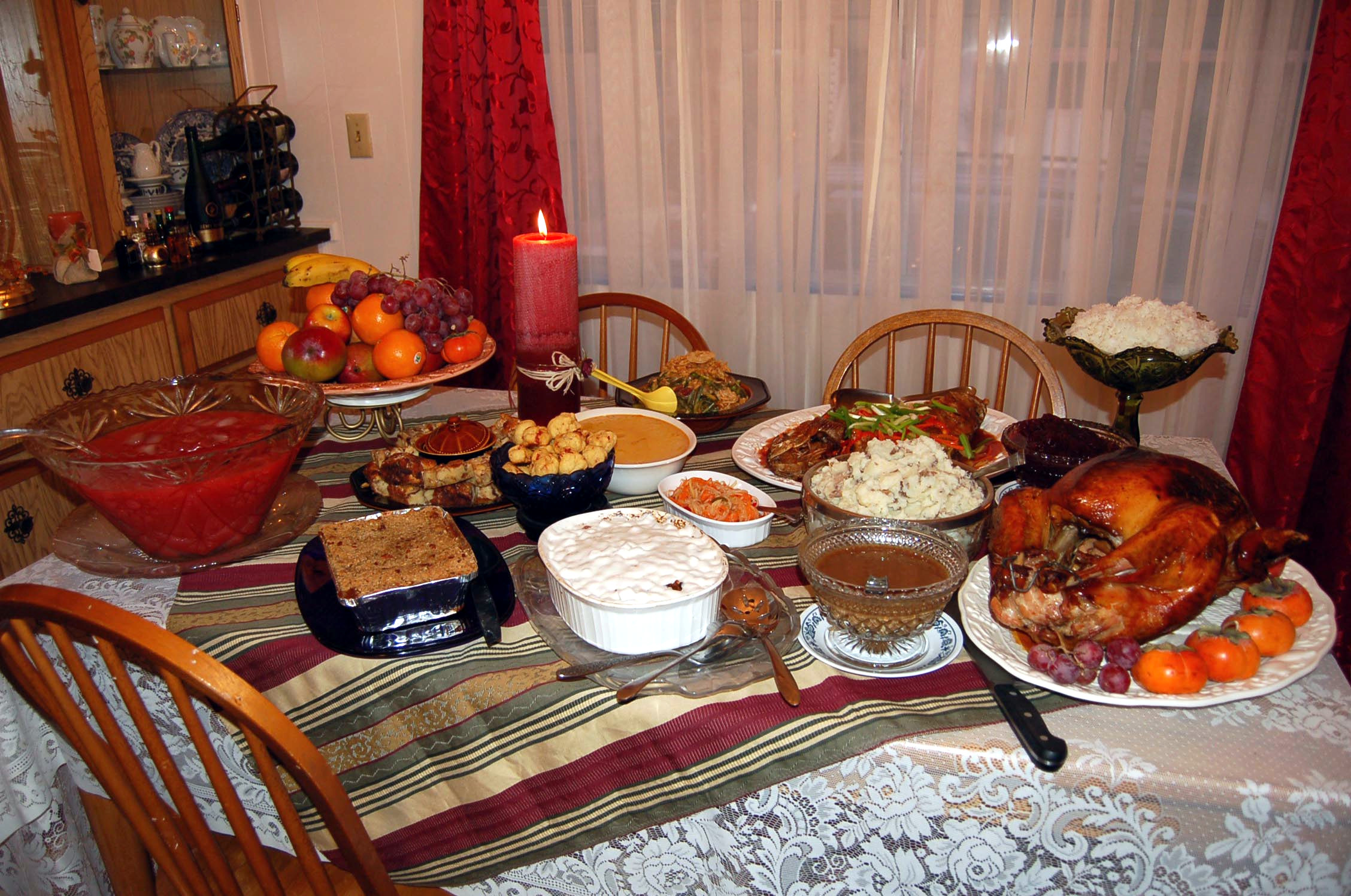
A budget Friendsgiving works best as a well-organized potluck: one host provides the space and a main dish, everyone else brings a planned dish, and costs for shared items are split fairly. Friendsgiving is, in the words of its encyclopedia entry, a Thanksgiving-themed feast eaten with friends, often produced potluck-style with each participant bringing items, and Merriam-Webster dates the term to 2007. The checklist below helps you plan the menu, share the cost, keep food safe on the table and send everyone home with leftovers, without anyone overspending.
Key takeaways
- Assign dishes by category so you do not end up with five desserts and no vegetables.
- Agree up front how shared costs like the turkey and drinks are split.
- Keep hot food hot and cold food cold, and do not leave perishables out more than two hours.
- Ask guests to bring containers for leftovers.
Three weeks out: plan the budget Friendsgiving
- Set the guest list and date. Many groups hold Friendsgiving the weekend before or after Thanksgiving to avoid clashing with family plans.
- Decide the format. Full potluck, host-cooks-the-main, or everyone-brings-a-side. Write it down in the group chat so expectations are clear.
- Agree on cost sharing. If the host buys the turkey, plates or drinks, decide whether guests chip in. Our guide to splitting the bill without the awkwardness has fair ways to divide shared costs.
- Ask about dietary needs. Note vegetarians, allergies and anyone avoiding alcohol so the menu covers them.
Two weeks out: build the menu
Assign by category rather than letting everyone choose freely:
| Category | How many dishes for about 10 guests | Budget-friendly ideas |
|---|---|---|
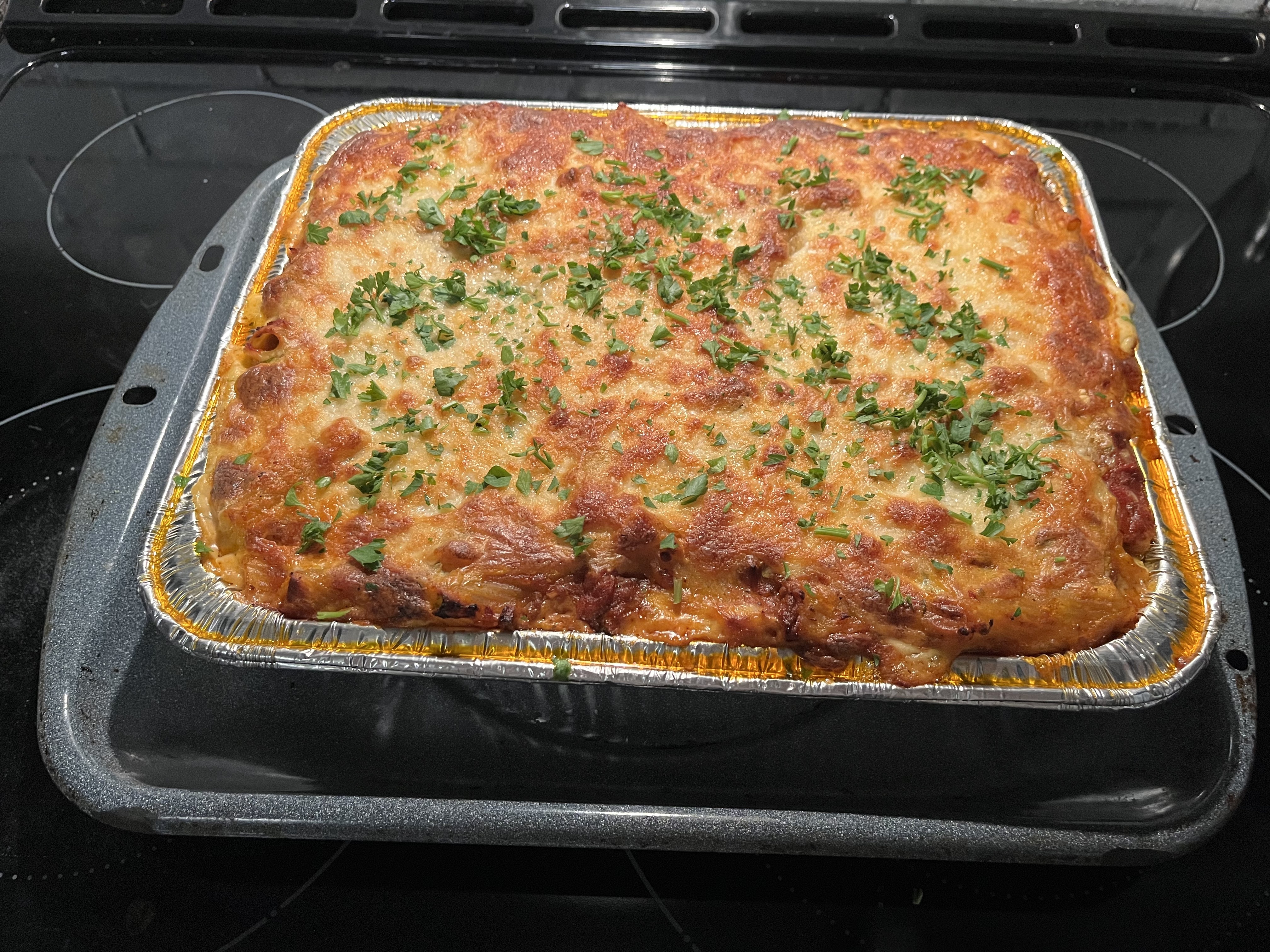
| Main | 1 to 2 | Roast turkey breast, a whole chicken, a big vegetarian bake |
| Starches | 2 | Mashed potatoes, stuffing, a pasta bake |
| Vegetables | 2 to 3 | Roasted root vegetables, green beans, a big salad |
| Bread | 1 | Rolls or cornbread |
| Dessert | 1 to 2 | Pumpkin pie, apple crumble |
| Drinks | 1 to 2 people | Pitchers of iced tea, sparkling water, one shared punch |
Seasonal produce helps here: squash, sweet potatoes, apples and Brussels sprouts are all fall staples. Our meal planning guide shows how to plan one shopping trip around a menu like this.
The week before: shopping and prep
- Make one shared shopping list for anything the host is buying, and check the cupboard first.
- Borrow rather than buy extra chairs, serving dishes and a slow cooker.
- Prep ahead. Pies, cranberry sauce and many casseroles can be made a day early.
- Plan oven time. If several dishes need reheating, ask guests to bring theirs hot or ready to serve at room temperature.
Ways to stretch the budget further
- Go big on sides. Potatoes, stuffing, roasted vegetables and bread fill plates for far less than extra meat.
- Choose one signature drink. A big jug of something seasonal costs less than a full bar, and alcohol-free options make sure everyone is included.
- Skip single-use extras. Real plates and cloth napkins borrowed from friends cost nothing and look more generous.
- Cook from scratch where it is easy. Gravy, cranberry sauce and simple pies are cheaper homemade and can be done ahead.
- Plan the leftovers on purpose. A slightly larger main dish can feed several people again the next day, which is good value if everyone takes a share home.
- Keep decorations simple. Seasonal produce such as small pumpkins, apples and squash can decorate the table and then be cooked later in the week.
On the day: keep the buffet safe
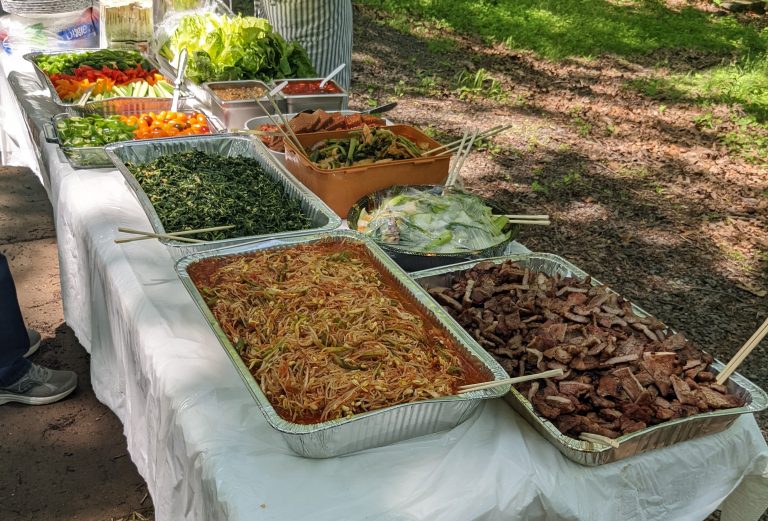
A potluck buffet can sit out for hours, which is when food safety slips. The FDA’s guidance on serving up safe buffets says to keep hot foods at 140 °F or warmer and cold foods at 40 °F or colder, to replace nearly empty dishes with fresh ones rather than topping them up, and to discard perishable food left at room temperature for more than two hours, or one hour if the room is above 90 °F.
- Use slow cookers or a warm oven to hold hot dishes.
- Set cold dishes over ice or bring them out in batches.
- Serve small platters and refill from the kitchen.
- Label dishes with their main ingredients so guests with allergies can choose safely.
After the meal: leftovers and cleanup
- Ask guests to bring containers so leftovers go home with them.
- Refrigerate food promptly. Pack leftovers within the two-hour window.
- Split the cleanup. Assign dish washing and trash runs so the host is not left alone.
- Settle up quickly. Send any shared-cost reminders the next day while it is fresh.
Our checklist for taking restaurant leftovers home safely covers storage habits that apply just as well to home cooking.
Frequently asked questions
How do I stop everyone bringing dessert?
Assign categories in advance and keep a shared list that people update when they choose a dish.
Is it fair to ask guests to chip in for the turkey?
Yes, if you agree it before the day. Many groups split the cost of the main dish and drinks evenly and let each person cover their own side.
What if someone cannot cook?
Give them a job that does not need a kitchen: bringing ice, bread, drinks, plates or helping with cleanup.
A generous table for less
Plan early, assign dishes by category, agree on shared costs, keep the buffet at safe temperatures and send everyone home with leftovers. A well-run potluck feels abundant and costs each person far less than hosting alone. For more ideas on living well on a budget, see our Lifestyle section.