Solo dining simply means eating at a restaurant on your own, and it is more common than many people think: more than a quarter of U.S. households are one person. A solo meal is easy to fit in, often easier to book, and gives you complete control over what you order and spend. The keys are choosing a place with counter or bar seating, going at a quieter time, and ordering for one rather than for a table.
Key facts
- In 2025 there were 39.7 million one-person households in the U.S., 29% of all households (U.S. Census Bureau).
- Counter, bar and kitchen-facing seats are designed for one or two diners and usually come with faster service.
- Weekday lunch and early evening are the easiest times to walk in without a booking.
- Lunch menus, small plates and half portions keep a solo bill in proportion.
- Bringing a book or simply watching the room is normal; staff seat solo diners every day.
Why eat out alone?
Plenty of solo meals happen for practical reasons: a work trip, a gap between errands, a schedule that does not match friends’. Food away from home is now the majority of American food spending, with the USDA’s Economic Research Service reporting that it made up 58.5% of total food spending in 2023. A meal out on your own is part of that, and it has real advantages: you choose the restaurant, you eat at your own pace and there is no debate over the bill.
How to choose a restaurant for solo dining
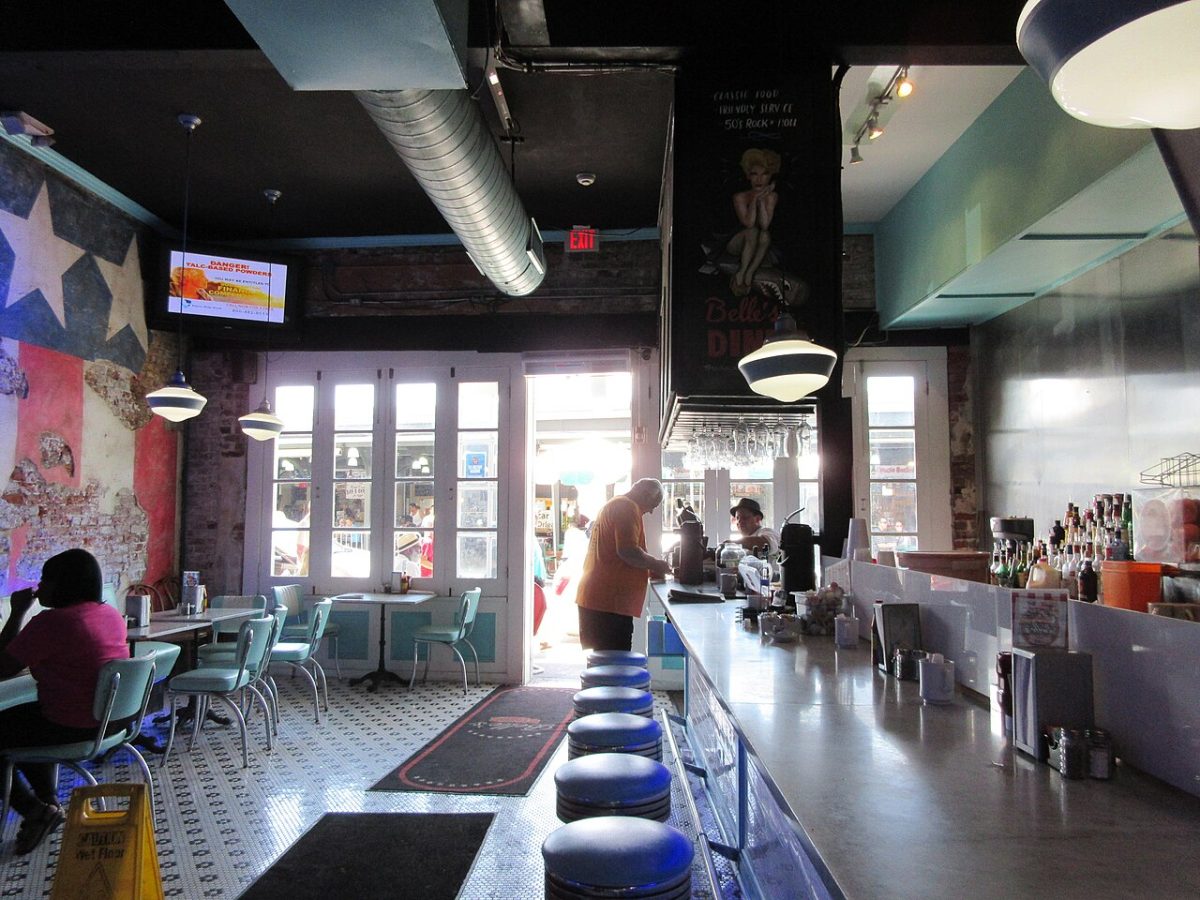
- Look for counter or bar seating. Diners, noodle and ramen shops, sushi counters, taquerias and many wine bars have seats made for one.
- Pick places with small plates. Tapas, dim sum and mezze let you try several dishes without over-ordering.
- Try fast-casual spots for a quick bite. Order at the counter, sit where you like and leave when you are done.
- Check the booking system. Many online reservation tools show single seats at the bar that are not offered for larger groups.
- Read the menu first. If every main is built to share, look elsewhere.
Where to sit and when to go
| Seat | Good for | Keep in mind |
|---|---|---|
| Bar or counter | Quick service, chatting with staff | Can be busy and loud at peak hours |
| Kitchen counter | Watching food being made | Limited seats; book ahead where possible |
| Window table | People-watching, reading | May be held for larger groups at peak times |
| Small two-top | A quieter, longer meal | Easier to get outside peak times |
Timing matters as much as the seat. Weekday lunch, mid-afternoon and early evening are when restaurants are most likely to have space for one and least likely to rush you.
How to keep a solo meal good value
- Go at lunch. As our comparison of lunch and dinner shows, the same kitchen often charges less for a lunch plate.
- Use happy hour or early-bird menus. See our guide to happy hour food deals.
- Order an appetizer as your main. Our post on appetizers as a meal explains when it works.
- Skip the upsell. Sides and drinks add up faster when there is no one to share them.
- Take leftovers home. A generous portion can be tomorrow’s lunch.
How to feel comfortable eating alone
- Bring something to read or a small notebook, or just enjoy the room.
- Say “just one” with confidence; hosts seat single diners all day.
- Chat with staff at the counter if you feel like it, and leave them be if they are busy.
- Tip as you would with a group. Solo diners take up a seat that could earn the server a larger bill.
- Start with a place you already like, then branch out.
If you want company some of the time without spending more, our guide to a frugal social life has low-cost ways to meet up.
Frequently asked questions
Is it weird to eat at a restaurant alone?
No. Single diners are a normal part of every restaurant’s day, especially at lunch and at the bar or counter.
Do restaurants take reservations for one?
Many do, and some online booking systems show bar or counter seats that are only available for one or two people.
What should I order when eating alone?
Small plates, lunch specials, a single main or an appetizer as a meal work well. Avoid dishes sized for sharing.
How much should I tip as a solo diner?
Tip as you normally would for the service you received. A solo bill is smaller, so some diners round up slightly.
Which restaurants are best for solo dining?
Places with counter or bar seating, such as diners, ramen shops, sushi bars, taquerias and wine bars, are usually the most comfortable.
Table for one, done well
Choose a restaurant with counter or bar seating, go at a quieter time and order for one. Use lunch, happy hour and small plates to keep the bill sensible, and enjoy having the menu to yourself. More ideas are in our lifestyle guides.
Featured photo: Belle’s Diner seating by Infrogmation of New Orleans, CC BY-SA 4.0.