Restaurant leftovers are one of the easiest ways to get more value from eating out: a generous main becomes tomorrow’s lunch at no extra cost. The catch is timing. Perishable food needs to be in your refrigerator within two hours of being served, or within one hour on a hot day, and most cooked leftovers keep for three to four days. Reheat them until steaming hot, to 165 °F if you have a food thermometer. The checklist below takes you from the table to the second meal, so the savings do not end up in the trash.
Key takeaways
- Decide early whether you will take food home, and box it promptly.
- Refrigerate within two hours, or one hour if it is above 90 °F outside.
- Most cooked restaurant leftovers keep three to four days in the fridge.
- Reheat leftovers to 165 °F and bring sauces and soups to a boil.
At the table: plan for restaurant leftovers
The best time to think about leftovers is when the food arrives, not at the end of a long evening.
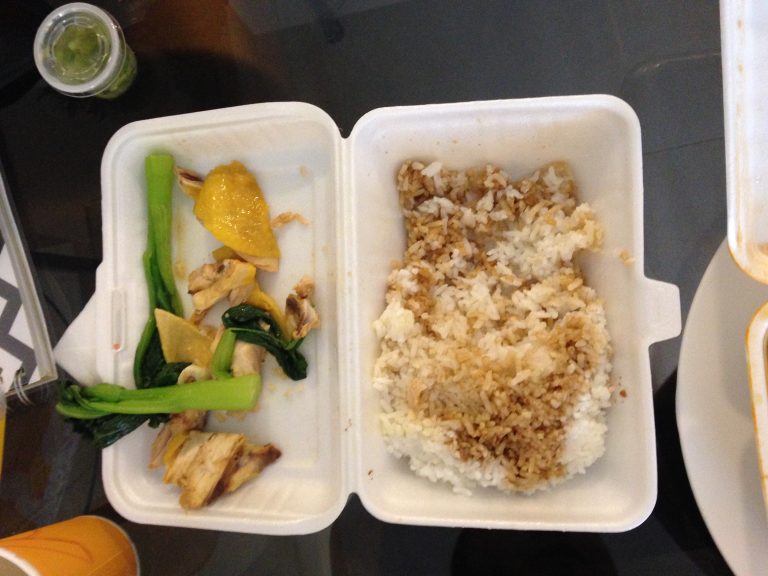
- Ask for a container as soon as you can see the portion is more than you will eat. Moving half aside early keeps it cleaner and stops you eating past full. Our guide to restaurant portion sizes explains why many plates are built for two meals.
- Think about how the dish reheats. Stews, curries, rice dishes, pasta with sauce and roasted meats usually reheat well. Fried and crisp foods, delicate fish and dressed salads often do not.
- Leave out anything that has sat on a shared plate for a long time.
- Check the restaurant’s rules if you are at an all-you-can-eat meal. Take-away is not always allowed, as we covered in our guide to buffet value.
On the way home: watch the clock
The FDA’s two-hour rule is the key number. Its guidance on storing food safely says that foods needing refrigeration should not sit at room temperature for more than two hours, or one hour if the air temperature is above 90 °F, and it applies this explicitly to leftovers, “doggie bags” and take-out foods.
- Count the two hours from when the food was served, not from when you left the restaurant.
- Go straight home if you plan to keep the food. A bag of leftovers is a poor companion for a movie or a long walk.
- Do not leave leftovers in a hot car.
- If you will not be home within the time limit, leave the food at the restaurant. It is cheaper than getting sick.
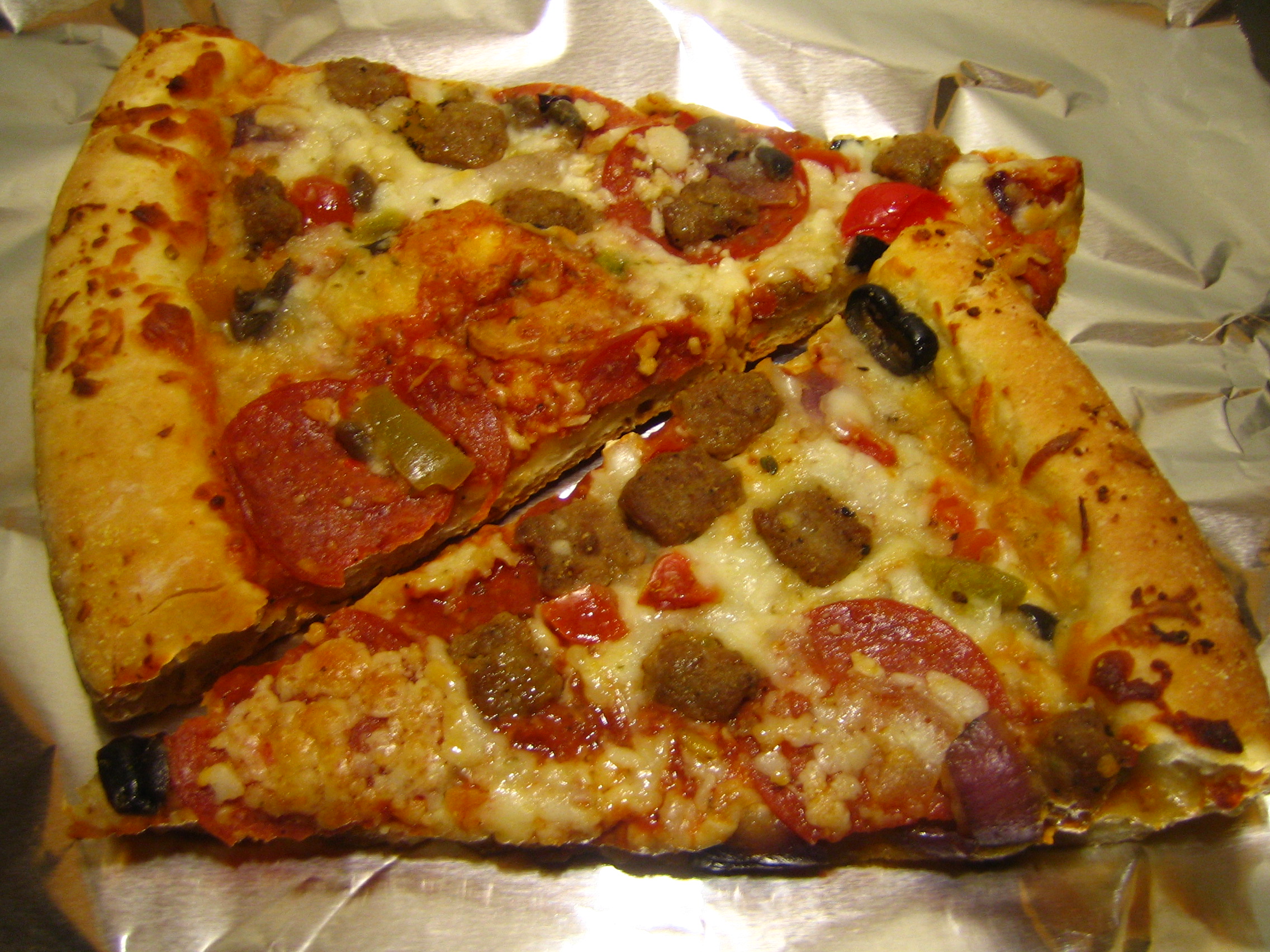
In the fridge: store it properly
- Keep your refrigerator at or below 40 °F. The FDA recommends using an appliance thermometer to check.
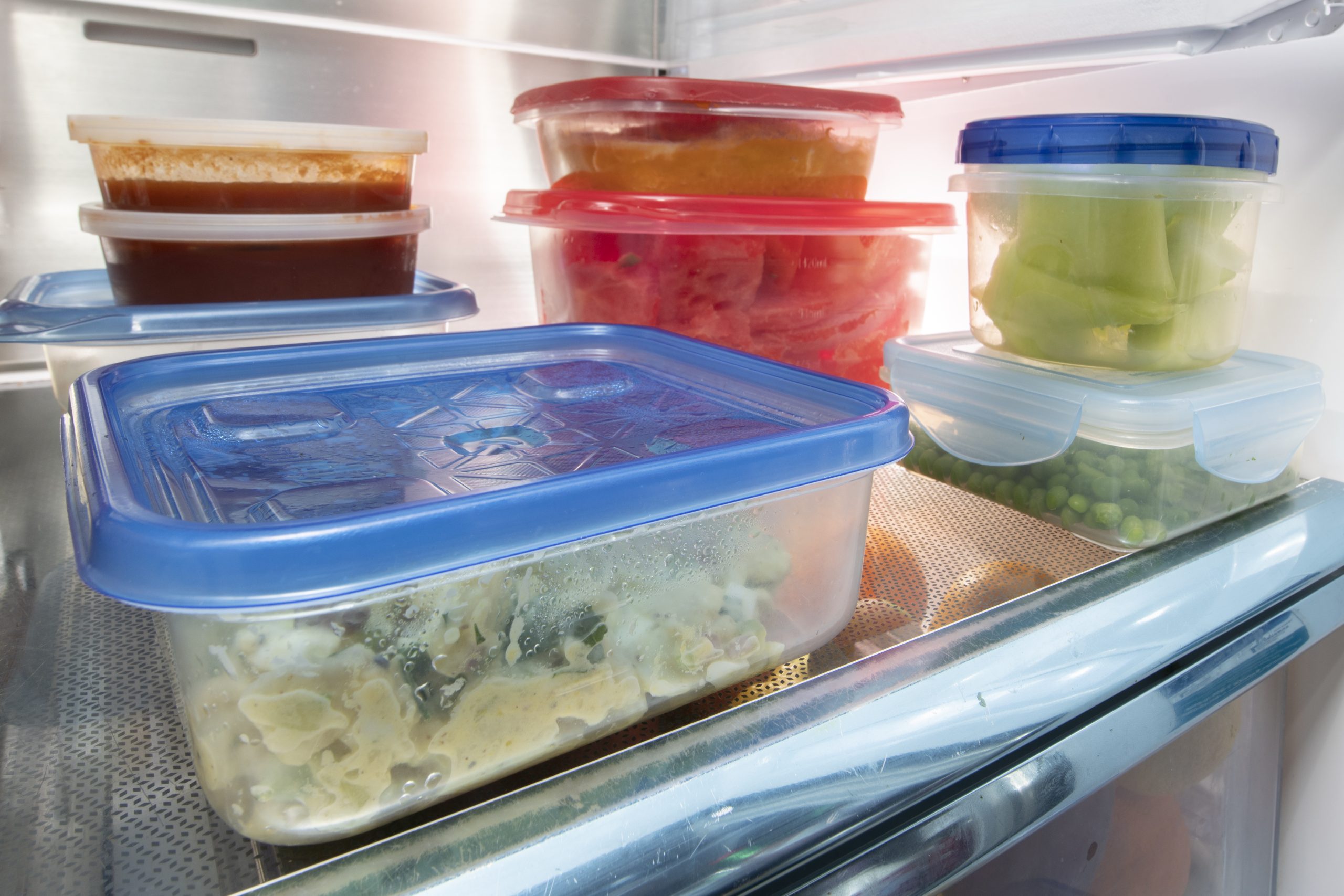
- Divide large portions into shallow containers so they cool faster. This advice comes from the FDA’s safe food handling guide.
- Store leftovers covered, in sealed containers, and check them daily for signs of spoilage.
- Label containers with the date. It takes seconds and removes the guessing later.
- Freeze anything you will not eat in time. Freezing stops bacteria from growing, though quality slowly declines.
How long restaurant leftovers keep
The FDA’s refrigerator and freezer storage chart gives short, safe time limits for food kept at 40 °F:
| Leftover | Refrigerator | Freezer |
|---|---|---|
| Cooked meat and meat dishes | 3 to 4 days | 2 to 3 months |
| Gravy and meat broth | 1 to 2 days | 2 to 3 months |
| Cooked poultry dishes | 3 to 4 days | 4 to 6 months |
| Fried chicken | 3 to 4 days | 4 months |
| Soups and stews with vegetables or meat | 3 to 4 days | 2 to 3 months |
If something looks or smells off before those limits, throw it out. The FDA’s advice is that anything suspicious should be discarded.
At reheating time: make it hot
- Reheat leftovers and casseroles to 165 °F, the temperature in the FDA’s safe cooking chart. A food thermometer is the only reliable check.
- Bring sauces, soups and gravy to a boil when reheating.
- In a microwave, cover the food, stir and rotate it for even heating, and allow standing time before checking the temperature.
- Reheat only the portion you will eat, rather than warming the whole container repeatedly.
Planning the second meal helps too. Leftover meat or vegetables can go into a wrap, a grain bowl or a soup, which is the same “cook once, eat twice” idea that makes supermarket hot food good value.
Frequently asked questions
Is it rude to ask for a box at a nice restaurant?
No. Asking for a container is an ordinary request in most restaurants. If you are unsure, ask your server quietly whether the kitchen can pack it for you.
Can I leave leftovers in the car overnight and still eat them?
No. Perishable food left out for more than two hours, or one hour above 90 °F, should be thrown away under FDA guidance, however it looks or smells.
Can I freeze restaurant leftovers?
Yes. Freeze them promptly in airtight, labeled containers. Frozen food stays safe, though texture and flavor fade over time, so the freezer chart above is a guide to quality as much as anything.
Turn one meal into two
Ask for the box early, get the food into the fridge within two hours, eat it within three to four days and reheat it to 165 °F. That is all it takes to make a restaurant meal do double duty. Find more money-saving habits in our saving strategy guides.